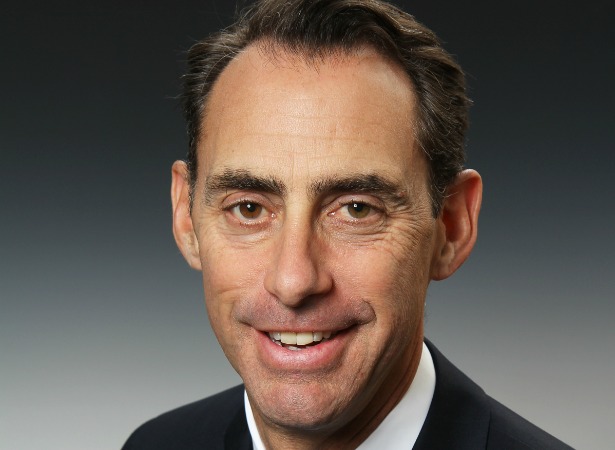
LOS ANGELES—Like the office and multifamily asset classes, retail is evolving to fit the needs of the millennial demographic. Retail is becoming more entertainment and restaurant focused and—to compete with online retailers—brick and mortar retail is more experience driven. With all of these changes, one would imagine that millennials are driving retail sales in a big way, but Jeff Rinkov, CEO of Lee & Associates, says exclusively that national brands aren't focusing their advertising dollars on the demographic.
“Millennials have a huge impact in the market and maybe on retail trends, but if you were to ask an advertiser about where they want to spend their money, it is professionals, typically males, who are 30 years old to 50 years old,” Rinkov tells GlobeSt.com. “They have more earning power and more discretionary dollars. I think the millennials have been forced to create their own communities, and I think that they are driving more online sales and more local business sales. From the standpoint of national retailers, I don't think we have seen a huge trend away from where they will spend their money.”
That isn't to say that some national retailers aren't being hurt by the millennial-esque shift. Retail is changing and certain retailers, like catalog-based brands, are feeling the loss. “I think retail movement is changing, and maybe you can see it evidenced in a model like JC Penny,” says Rinkov. “That is a model that worked for years, but today, that is not an attractive place for a 25-year-old person to go and shop. They are going to struggle, like a lot of old-line retailers, to find an identity and to find a customer base.”
Millennials are spending most of their retail dollars on transportation and technology, according to Rinkov. “I think millennials have privatized where they will spend their money. It isn't selfish, but it is more in self-serving dollars,” he says. “Millennials tend to be brand focused and quality focused, and I think there is a certain amount of peer pressure that exists in that group.”
The demographic also gravitates toward community-based retail, like health conscious brands and eateries, or places designed for meeting and gathering. “If you are a young professional and you want to live as a millennial with an apartment in an urban core, you probably have a studio apartment that isn't convenient to have friends over,” says Rinkov. “You are looking for meeting areas outside of the home.”
Millennial spending trends have become important to consider in conjunction with the relatively flat consumer spending for the past two quarters. The latest retail report from Lee & Associates shows that the consumer spending was down .1% with food and automotive sales leading the market.
LOS ANGELES—Like the office and multifamily asset classes, retail is evolving to fit the needs of the millennial demographic. Retail is becoming more entertainment and restaurant focused and—to compete with online retailers—brick and mortar retail is more experience driven. With all of these changes, one would imagine that millennials are driving retail sales in a big way, but Jeff Rinkov, CEO of Lee & Associates, says exclusively that national brands aren't focusing their advertising dollars on the demographic.
“Millennials have a huge impact in the market and maybe on retail trends, but if you were to ask an advertiser about where they want to spend their money, it is professionals, typically males, who are 30 years old to 50 years old,” Rinkov tells GlobeSt.com. “They have more earning power and more discretionary dollars. I think the millennials have been forced to create their own communities, and I think that they are driving more online sales and more local business sales. From the standpoint of national retailers, I don't think we have seen a huge trend away from where they will spend their money.”
That isn't to say that some national retailers aren't being hurt by the millennial-esque shift. Retail is changing and certain retailers, like catalog-based brands, are feeling the loss. “I think retail movement is changing, and maybe you can see it evidenced in a model like JC Penny,” says Rinkov. “That is a model that worked for years, but today, that is not an attractive place for a 25-year-old person to go and shop. They are going to struggle, like a lot of old-line retailers, to find an identity and to find a customer base.”
Millennials are spending most of their retail dollars on transportation and technology, according to Rinkov. “I think millennials have privatized where they will spend their money. It isn't selfish, but it is more in self-serving dollars,” he says. “Millennials tend to be brand focused and quality focused, and I think there is a certain amount of peer pressure that exists in that group.”
The demographic also gravitates toward community-based retail, like health conscious brands and eateries, or places designed for meeting and gathering. “If you are a young professional and you want to live as a millennial with an apartment in an urban core, you probably have a studio apartment that isn't convenient to have friends over,” says Rinkov. “You are looking for meeting areas outside of the home.”
Millennial spending trends have become important to consider in conjunction with the relatively flat consumer spending for the past two quarters. The latest retail report from Lee & Associates shows that the consumer spending was down .1% with food and automotive sales leading the market.
© Arc, All Rights Reserved. Request academic re-use from www.copyright.com. All other uses, submit a request to TMSalesOperations@arc-network.com. For more information visit Asset & Logo Licensing.