BALTIMORE—Port authorities around the US are in a perpetual state of preparation for the next generation of trade vessel, which inevitably is larger and more technically sophisticated that its predecessor. Channels are raised, newer equipment installed and government financing tapped to ensure the port itself runs as smoothly as possible.
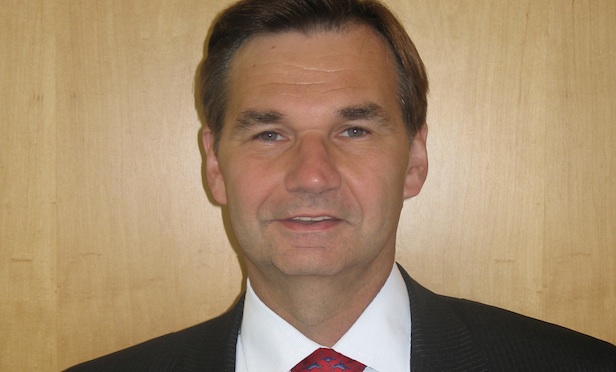
But this activity stops short at the port's gate. The real estate and infrastructure that exists Just outside the gate — or rather, doesn't exist but should – will to the be the source of the next major trade flow bottleneck, according to JLL's new hire, Walter Kemmsies, economist and chief strategist for the US Ports, Airports and Global Infrastructure Group.
In his role Kemmsies will help facilitate financing and investment for these projects, from both the private sector and the public sector.
The projects could range from the expansion of current terminals to the development of new ones – and here he notes that building a branded terminal from scratch would cost about $2 billion. Other projects might involve specialized equipment for such processes as cross stocking of international containers to domestic trailers.
“People like to say there is a shortage of waterfront land for industrial real estate but that is not true,” he told GlobeSt.com. “What there is, is a shortage of waterfront land that is connected to the rest of the country.”
Kemmsies was previously the chief economist for Moffat & Nichol and is an advisor to executives at various port authorities and major transportation and manufacturing companies. He was the head of European Strategy at JP Morgan in London and head of Global Industry Strategy at UBS in Zurich and London.
BALTIMORE—Port authorities around the US are in a perpetual state of preparation for the next generation of trade vessel, which inevitably is larger and more technically sophisticated that its predecessor. Channels are raised, newer equipment installed and government financing tapped to ensure the port itself runs as smoothly as possible.
But this activity stops short at the port's gate. The real estate and infrastructure that exists Just outside the gate — or rather, doesn't exist but should – will to the be the source of the next major trade flow bottleneck, according to JLL's new hire, Walter Kemmsies, economist and chief strategist for the US Ports, Airports and Global Infrastructure Group.
In his role Kemmsies will help facilitate financing and investment for these projects, from both the private sector and the public sector.
The projects could range from the expansion of current terminals to the development of new ones – and here he notes that building a branded terminal from scratch would cost about $2 billion. Other projects might involve specialized equipment for such processes as cross stocking of international containers to domestic trailers.
“People like to say there is a shortage of waterfront land for industrial real estate but that is not true,” he told GlobeSt.com. “What there is, is a shortage of waterfront land that is connected to the rest of the country.”
Kemmsies was previously the chief economist for Moffat & Nichol and is an advisor to executives at various port authorities and major transportation and manufacturing companies. He was the head of European Strategy at
© Arc, All Rights Reserved. Request academic re-use from www.copyright.com. All other uses, submit a request to TMSalesOperations@arc-network.com. For more information visit Asset & Logo Licensing.