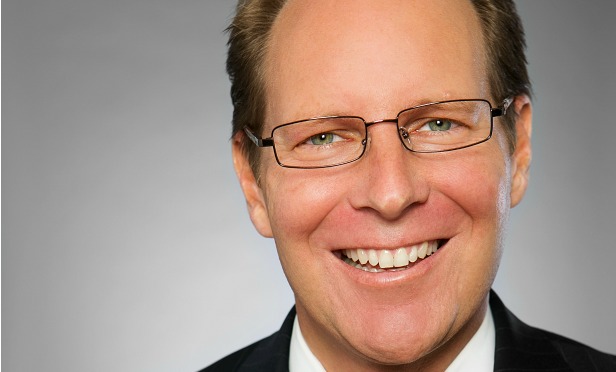
LOS ANGELES—The US economy slowed in the first quarter of the year with only .5% GDP growth, a stark contrast from the 1.4% GDP growth in the fourth quarter 2015 and below the .7% growth projected by economic experts. While slow first quarter economic growth has become a trend this cycle, 1Q16 was especially ominous, and the weakest performance in two years. Was this just a bump, or a sign that we are headed for a slow down this year? To find out, we sat down with Chris Macke, managing director of research and strategy at American Realty Advisors, to talk about his forecast for the second quarter and the remainder of the year.
GlobeSt.com: We had a rough start to the year with slow economic growth and pull back in the debt markets. What is your take on the economic activity from Q1?
Chris Macke: The slowdown in Q1 was expected given weakening global economic growth, the continued strength of the dollar, and declining corporate earnings and spending. While in previous first quarters the slowdowns were often weather-related, this one was not. That is a key difference.
GlobeSt.com: What is your economic outlook for Q2 this year?
Macke: Absent another financial market malaise or a globally disruptive economic event, we expect a rebound in Q2 economic activity and continued healthy employment growth. Importantly, employment continued to improve adding more than 200,000 jobs per month – good news for real estate investors, as employment drives commercial real estate space demand. On the construction side, new supply remains manageable outside of an increasing number of multifamily markets and select industrial markets. As a result, we foresee continued healthy property fundamentals in the near-term, including rent growth, which is in stark contrast to weakening and even declining corporate earnings growth.
What we are watching more closely is investor sentiment as it became decidedly less bullish beginning in the second half of 2015 and became downright bearish in the middle of the first quarter. While sentiment seems to be normalizing somewhat, the sudden and significant shift should not be overlooked going forward so investors don't become complacent as it relates to risk going forward.
Lastly, there has been a lot of hand wringing over interest rates. The issue isn't so much what the Fed does, assuming they don't do anything sudden, surprising, or severe, but rather investor sentiment. When the CMBS markets locked up, this wasn't because of the Fed, but rather because of other factors that significantly and suddenly shifted investor sentiment. Investor sentiment is the key going forward, not whether the Fed targets a 25 Bps rate rise, and certainly not whether a rate hike occurs in June or at next opportunity.
GlobeSt.com: Even with some economic slowdown, there seems to be a lot of demand in the market. What continues to drive demand, and how do economic flows really affect decisions in real estate investment?
Macke: There is a healthy amount of space demand in the marketplace. This has been driven by the continued employment growth we have been experiencing, as more jobs translates into greater CRE space demand. Economic developments have a significant impact on investment decisions. Whether we believe economic growth will continue, at what level, and for how long impacts what and where we buy, including whether we focus on assets with shorter or longer leases, the level of tenant credit we require, which markets we will invest in, and many other related decisions.
GlobeSt.com: Have you adjusted you strategy or discussed an adjustment to strategy based on this economic activity? Tell me about your strategy this year.
Macke: Because we anticipated the increase in market volatility and weakening global economic growth, we previously adjusted our strategy; these recent developments only affirm our outlook. We continue to focus on R and D: Markets that are resilient, both in how quickly they recover economically after a downturn and in how quickly their values bounce back. We also focus on durability, specifically as it relates to the reliability of the income streams that we are buying and the strength of the demographics in our target markets. There are differences in how markets with varying education and income levels fare during a recession, and we seek out locations with higher income and educations levels because they generally perform throughout the economic cycle and recover more quickly.
LOS ANGELES—The US economy slowed in the first quarter of the year with only .5% GDP growth, a stark contrast from the 1.4% GDP growth in the fourth quarter 2015 and below the .7% growth projected by economic experts. While slow first quarter economic growth has become a trend this cycle, 1Q16 was especially ominous, and the weakest performance in two years. Was this just a bump, or a sign that we are headed for a slow down this year? To find out, we sat down with Chris Macke, managing director of research and strategy at American Realty Advisors, to talk about his forecast for the second quarter and the remainder of the year.
GlobeSt.com: We had a rough start to the year with slow economic growth and pull back in the debt markets. What is your take on the economic activity from Q1?
Chris Macke: The slowdown in Q1 was expected given weakening global economic growth, the continued strength of the dollar, and declining corporate earnings and spending. While in previous first quarters the slowdowns were often weather-related, this one was not. That is a key difference.
GlobeSt.com: What is your economic outlook for Q2 this year?
Macke: Absent another financial market malaise or a globally disruptive economic event, we expect a rebound in Q2 economic activity and continued healthy employment growth. Importantly, employment continued to improve adding more than 200,000 jobs per month – good news for real estate investors, as employment drives commercial real estate space demand. On the construction side, new supply remains manageable outside of an increasing number of multifamily markets and select industrial markets. As a result, we foresee continued healthy property fundamentals in the near-term, including rent growth, which is in stark contrast to weakening and even declining corporate earnings growth.
What we are watching more closely is investor sentiment as it became decidedly less bullish beginning in the second half of 2015 and became downright bearish in the middle of the first quarter. While sentiment seems to be normalizing somewhat, the sudden and significant shift should not be overlooked going forward so investors don't become complacent as it relates to risk going forward.
Lastly, there has been a lot of hand wringing over interest rates. The issue isn't so much what the Fed does, assuming they don't do anything sudden, surprising, or severe, but rather investor sentiment. When the CMBS markets locked up, this wasn't because of the Fed, but rather because of other factors that significantly and suddenly shifted investor sentiment. Investor sentiment is the key going forward, not whether the Fed targets a 25 Bps rate rise, and certainly not whether a rate hike occurs in June or at next opportunity.
GlobeSt.com: Even with some economic slowdown, there seems to be a lot of demand in the market. What continues to drive demand, and how do economic flows really affect decisions in real estate investment?
Macke: There is a healthy amount of space demand in the marketplace. This has been driven by the continued employment growth we have been experiencing, as more jobs translates into greater CRE space demand. Economic developments have a significant impact on investment decisions. Whether we believe economic growth will continue, at what level, and for how long impacts what and where we buy, including whether we focus on assets with shorter or longer leases, the level of tenant credit we require, which markets we will invest in, and many other related decisions.
GlobeSt.com: Have you adjusted you strategy or discussed an adjustment to strategy based on this economic activity? Tell me about your strategy this year.
Macke: Because we anticipated the increase in market volatility and weakening global economic growth, we previously adjusted our strategy; these recent developments only affirm our outlook. We continue to focus on R and D: Markets that are resilient, both in how quickly they recover economically after a downturn and in how quickly their values bounce back. We also focus on durability, specifically as it relates to the reliability of the income streams that we are buying and the strength of the demographics in our target markets. There are differences in how markets with varying education and income levels fare during a recession, and we seek out locations with higher income and educations levels because they generally perform throughout the economic cycle and recover more quickly.
© Arc, All Rights Reserved. Request academic re-use from www.copyright.com. All other uses, submit a request to TMSalesOperations@arc-network.com. For more information visit Asset & Logo Licensing.