LOS ANGELES—The industrial market “has shown remarkable consistency for the past several years,” according to the Lee & Associates 1Q16 industrial report, which GlobeSt.com has received exclusively. Rental rates and absorption have been on a steady incline since 2010, and 1Q16 was no different. The quarter saw sub 7% vacancy rates across the country and 46 million square feet of absorption, and the look ahead is just has bright.
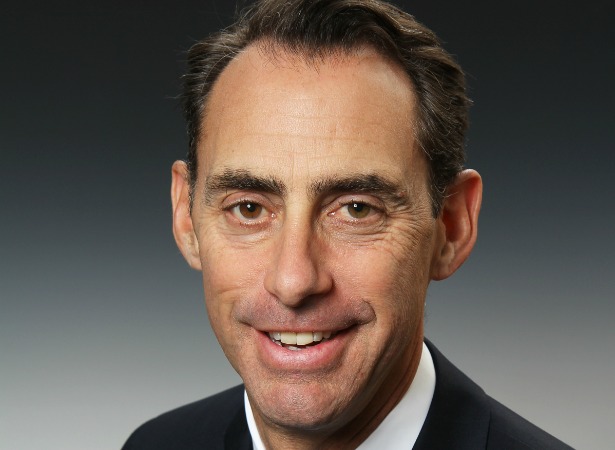
“Based on where we are in vacancy rates in major markets across the country and in Southern California specifically, I don't see it changing,” Jeff Rinkov, the CEO of Lee & Associates, tells GlobeSt.com. “These are markets where we don't have developable land, and where we have only seen real rent growth in the last 12 to 14 months, which has been a lagging indicator. I think the trajectory in real estate values is going to be support from rent growth. We are seeing anecdotal development, which is getting absorbed very quickly, either upon completion of construction or in advance. I think the diversity of the L.A. market and it being home to the largest ports in the country will have a compounding effect on the continued success of the market.”
Southern California industrial markets continue to lead the nation, thanks in large part to support from the ports, and ecommerce and third-party logistics companies continue to drive the market from a leasing perspective; however, Rinkov says that related companies are also helping to push absorption numbers. “We are seeing individual industries, like the apparel industry, that supports ecommerce and are taking larger blocks of space, but predominantly, distribution space is driving the industry,” adds Rinkov.
As a result of these phenomenal market fundamentals, investor appetite for industrial product is strong. Specifically, Rinkov says that investors are looking for stability and large blocks of space. “They are looking for the underlying credit to be strong; they are looking for the underlying market to support the property through multiple tenancies; they are looking for a new product type that will support multiple uses,” says Rinkov. “Larger blocks of space is where the trend is right now, and that is 100,000 square feet or greater on the institutional side. We have seen a real flight to quality for clear heights and sprinkler systems and truck courts.”
The only potential concern may be overbuilding or overdevelopment. In the Southern California market, land constraints prevent that from being an issue. However, in markets with availability of land, overbuilding could become an issue if developers lose sight of market fundamentals. Still, Rinkov hasn't seen that as an issue with the level of absorption. “We have not seen overbuilding, but we have seen dramatic absorption that is happening really quickly at higher and higher rates, and the adoption and absorption of class-A facilities.”
With the only concern null, the outlook for the market is very positive. Rinkov says that there is plenty of runway left. “Industrial is never the sexiest product type, but it is always the most stable,” he says. “We may see it fluctuate, but you won't see very high highs but you also won't see very low lows.”
LOS ANGELES—The industrial market “has shown remarkable consistency for the past several years,” according to the Lee & Associates 1Q16 industrial report, which GlobeSt.com has received exclusively. Rental rates and absorption have been on a steady incline since 2010, and 1Q16 was no different. The quarter saw sub 7% vacancy rates across the country and 46 million square feet of absorption, and the look ahead is just has bright.
“Based on where we are in vacancy rates in major markets across the country and in Southern California specifically, I don't see it changing,” Jeff Rinkov, the CEO of Lee & Associates, tells GlobeSt.com. “These are markets where we don't have developable land, and where we have only seen real rent growth in the last 12 to 14 months, which has been a lagging indicator. I think the trajectory in real estate values is going to be support from rent growth. We are seeing anecdotal development, which is getting absorbed very quickly, either upon completion of construction or in advance. I think the diversity of the L.A. market and it being home to the largest ports in the country will have a compounding effect on the continued success of the market.”
Southern California industrial markets continue to lead the nation, thanks in large part to support from the ports, and ecommerce and third-party logistics companies continue to drive the market from a leasing perspective; however, Rinkov says that related companies are also helping to push absorption numbers. “We are seeing individual industries, like the apparel industry, that supports ecommerce and are taking larger blocks of space, but predominantly, distribution space is driving the industry,” adds Rinkov.
As a result of these phenomenal market fundamentals, investor appetite for industrial product is strong. Specifically, Rinkov says that investors are looking for stability and large blocks of space. “They are looking for the underlying credit to be strong; they are looking for the underlying market to support the property through multiple tenancies; they are looking for a new product type that will support multiple uses,” says Rinkov. “Larger blocks of space is where the trend is right now, and that is 100,000 square feet or greater on the institutional side. We have seen a real flight to quality for clear heights and sprinkler systems and truck courts.”
The only potential concern may be overbuilding or overdevelopment. In the Southern California market, land constraints prevent that from being an issue. However, in markets with availability of land, overbuilding could become an issue if developers lose sight of market fundamentals. Still, Rinkov hasn't seen that as an issue with the level of absorption. “We have not seen overbuilding, but we have seen dramatic absorption that is happening really quickly at higher and higher rates, and the adoption and absorption of class-A facilities.”
With the only concern null, the outlook for the market is very positive. Rinkov says that there is plenty of runway left. “Industrial is never the sexiest product type, but it is always the most stable,” he says. “We may see it fluctuate, but you won't see very high highs but you also won't see very low lows.”
© Arc, All Rights Reserved. Request academic re-use from www.copyright.com. All other uses, submit a request to TMSalesOperations@arc-network.com. For more information visit Asset & Logo Licensing.