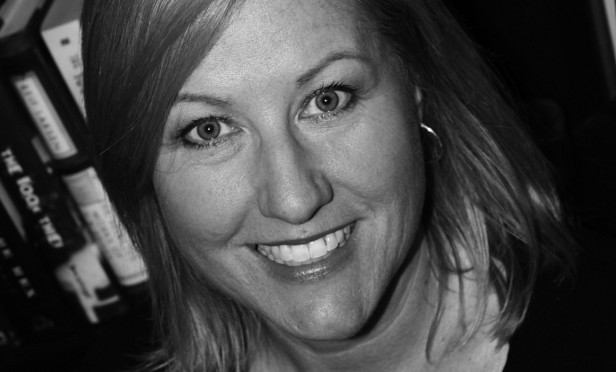
SAN DIEGO—In addition to design features that reflect the local culture, carrying local products and getting involved in local events is important for food retailers, Michigan-based design firm Studio H2G principal Julie Dugas tells GlobeSt.com. Dugas is spearheading a campaign for Barons Market to take the Barons culture and infuse it with the look and feel of the surrounding neighborhood for each of its markets. Among the locations chosen for this program was one of the family-owned grocery-store chain's newest locations in North Park here at 3231 E. University Ave. The market will feature a community-inspired interior design that blends the feel of the neighborhood with modern architecture to enhance customers' shopping experience.
Among the innovative design features are wood-carved fruit and vegetable cutouts that will dangle from the ceiling by thick ropes, whose inspiration came from the reclaimed-wood designs exposed across many of North Park's shops and restaurants; a large central pillar in the middle of the store that will be custom painted by a North Park artist, a reflection of the many pieces of public art and murals decorating the neighborhood; and galvanized metal, white subway tile and a folding cover that will conceal where Barons offers daily food samples, mimicking a food-truck experience inside the grocery store, which plays on the popularity of the traditional food trucks found in North Park. Dugas' designs will complement architecture plans as outlined by San Diego-based architect John Ziebarth to transform the 15,000-square-foot space. Barons plans to open its North Park location to the public in late fall.
We chatted exclusively with Dugas about the concept of community-inspired retail spaces and how retailers can benefit from it.
GlobeSt.com: What inspired the concept of community-inspired retail spaces?
Dugas: For Barons, it started with the nature of their team—the group of people that maintain, own, run and continue to build new stores. This group is very community driven and very particular about the communities they go in, the ones that request that they be there. They look at them and say, “Why are they requesting we be there? Why is this an appropriate fit?” They do demographic research and make sure it's the right demographic group for them.
All of their stores were in the San Diego area, for the most part, and they had to explain to me that one of their store requests was for Alpine, CA, which is was quite a bit of a distance from the other stores. When I asked them why this one was so far away, they said it was the number-one location where they get requests to put a store in. Year after year, they were getting more requests for a store in Alpine. So, they did the research, and this set them on a path of, “Let's pay attention to the communities we're going in.” In this particular instance, it really started to intrigue them what makes Barons fit in with this community.
In North Park, there's a very hands-on artisan leaning: craft beer, food, restaurants, bars. Barons is a foodie brand, so they felt this might be a really good fit for them. I toured the neighborhood with them over several days since they wanted to understand the community more and more, and we started to find out what we could about the community. We found they were open and willing not to have us come in and not do a cookie-cutter Barons store, but rather to do a store that's more appropriate for the community they're in. It doesn't have to look like other Barons, but it needs to be focused on this community. They starting to integrate a local artist to do a piece in the store, and it's a great way to tie the two together. Barons is open to that kind of thing; they're willing to work with local people and be a contributor to the community.
GlobeSt.com: Is this a common thing for independent retailers to do?
Dugas: For us, it's not terribly uncommon. Most of the food retailers we work with are independents; they have the ability to be a little more malleable and flexible when it comes to seeing the breadth of their brand and maybe not so rigid. Fresh & Easy looked the same throughout Southern California—cookie-cutter stores. These independents have the agility that the big chain stores don't have, and each does it in a unique way. There's usually some connection with local food; they may connect with a local brand that maybe provides barbecue or a bakery. They find ways to connect their store with a local purveyor with a long-standing place in the community.
GlobeSt.com: How can retailers and retail-space owners participate in this trend?
Dugas: They can participate in their local events, such as summer music series, where they encourage people to bring picnics to evening concerts. One retailer we worked with, Metcalfe's Market, found a way to connect with this type of program to get people to buy food at these concerts. Here's something the local community goes to, it has a high participation, and people looking for food, so connect with them. Retailers should look at things that are happening, events that happen regularly that they can connect with and participate in and have team participate in. Aa lot of independents like Barons and Glenn's encourage members to get involved in community events and then reward them in their work environment.
GlobeSt.com: How do you see this concept progressing?
Dugas: For food stores—they've heard it before, but many don't want to listen—they need to be about the food. People are not going to buy toilet paper from you, so it should really be about the food. These people that are involved in this are actually foodies. Barons has a taste team that's excited to try new foods. They actually taste everything before it goes on the shelves, and it has to pass a rigorous test. The more these stores become about the food, the more that will resonate with people in the community. This has absolutely exploded. The average consumer now wants to know if the food they're buying is local. That has become more and more in the lexicon of the local shopper, and it's across demographics. You can see it with Walmart offering organics—the demand is high. Retailers really have to be about the food and about local food. Celebrate that you have these local products.
GlobeSt.com: What else should our readers know about retail trends?
Dugas: For us as designers, we do a lot of food halls, food courts, airport food—across-the-board food retail, from quick-serve to dine-in to take-away and making the food yourself. The industrial reclaimed-wood look is big; they think it's trendy. And yes, you can put up reclaimed wood, but if you don't have that idea of where the food came from to back it up, the rest of it means nothing.
SAN DIEGO—In addition to design features that reflect the local culture, carrying local products and getting involved in local events is important for food retailers, Michigan-based design firm Studio H2G principal Julie Dugas tells GlobeSt.com. Dugas is spearheading a campaign for Barons Market to take the Barons culture and infuse it with the look and feel of the surrounding neighborhood for each of its markets. Among the locations chosen for this program was one of the family-owned grocery-store chain's newest locations in North Park here at 3231 E. University Ave. The market will feature a community-inspired interior design that blends the feel of the neighborhood with modern architecture to enhance customers' shopping experience.
Among the innovative design features are wood-carved fruit and vegetable cutouts that will dangle from the ceiling by thick ropes, whose inspiration came from the reclaimed-wood designs exposed across many of North Park's shops and restaurants; a large central pillar in the middle of the store that will be custom painted by a North Park artist, a reflection of the many pieces of public art and murals decorating the neighborhood; and galvanized metal, white subway tile and a folding cover that will conceal where Barons offers daily food samples, mimicking a food-truck experience inside the grocery store, which plays on the popularity of the traditional food trucks found in North Park. Dugas' designs will complement architecture plans as outlined by San Diego-based architect John Ziebarth to transform the 15,000-square-foot space. Barons plans to open its North Park location to the public in late fall.
We chatted exclusively with Dugas about the concept of community-inspired retail spaces and how retailers can benefit from it.
GlobeSt.com: What inspired the concept of community-inspired retail spaces?
Dugas: For Barons, it started with the nature of their team—the group of people that maintain, own, run and continue to build new stores. This group is very community driven and very particular about the communities they go in, the ones that request that they be there. They look at them and say, “Why are they requesting we be there? Why is this an appropriate fit?” They do demographic research and make sure it's the right demographic group for them.
All of their stores were in the San Diego area, for the most part, and they had to explain to me that one of their store requests was for Alpine, CA, which is was quite a bit of a distance from the other stores. When I asked them why this one was so far away, they said it was the number-one location where they get requests to put a store in. Year after year, they were getting more requests for a store in Alpine. So, they did the research, and this set them on a path of, “Let's pay attention to the communities we're going in.” In this particular instance, it really started to intrigue them what makes Barons fit in with this community.
In North Park, there's a very hands-on artisan leaning: craft beer, food, restaurants, bars. Barons is a foodie brand, so they felt this might be a really good fit for them. I toured the neighborhood with them over several days since they wanted to understand the community more and more, and we started to find out what we could about the community. We found they were open and willing not to have us come in and not do a cookie-cutter Barons store, but rather to do a store that's more appropriate for the community they're in. It doesn't have to look like other Barons, but it needs to be focused on this community. They starting to integrate a local artist to do a piece in the store, and it's a great way to tie the two together. Barons is open to that kind of thing; they're willing to work with local people and be a contributor to the community.
GlobeSt.com: Is this a common thing for independent retailers to do?
Dugas: For us, it's not terribly uncommon. Most of the food retailers we work with are independents; they have the ability to be a little more malleable and flexible when it comes to seeing the breadth of their brand and maybe not so rigid. Fresh & Easy looked the same throughout Southern California—cookie-cutter stores. These independents have the agility that the big chain stores don't have, and each does it in a unique way. There's usually some connection with local food; they may connect with a local brand that maybe provides barbecue or a bakery. They find ways to connect their store with a local purveyor with a long-standing place in the community.
GlobeSt.com: How can retailers and retail-space owners participate in this trend?
Dugas: They can participate in their local events, such as summer music series, where they encourage people to bring picnics to evening concerts. One retailer we worked with, Metcalfe's Market, found a way to connect with this type of program to get people to buy food at these concerts. Here's something the local community goes to, it has a high participation, and people looking for food, so connect with them. Retailers should look at things that are happening, events that happen regularly that they can connect with and participate in and have team participate in. Aa lot of independents like Barons and Glenn's encourage members to get involved in community events and then reward them in their work environment.
GlobeSt.com: How do you see this concept progressing?
Dugas: For food stores—they've heard it before, but many don't want to listen—they need to be about the food. People are not going to buy toilet paper from you, so it should really be about the food. These people that are involved in this are actually foodies. Barons has a taste team that's excited to try new foods. They actually taste everything before it goes on the shelves, and it has to pass a rigorous test. The more these stores become about the food, the more that will resonate with people in the community. This has absolutely exploded. The average consumer now wants to know if the food they're buying is local. That has become more and more in the lexicon of the local shopper, and it's across demographics. You can see it with Walmart offering organics—the demand is high. Retailers really have to be about the food and about local food. Celebrate that you have these local products.
GlobeSt.com: What else should our readers know about retail trends?
Dugas: For us as designers, we do a lot of food halls, food courts, airport food—across-the-board food retail, from quick-serve to dine-in to take-away and making the food yourself. The industrial reclaimed-wood look is big; they think it's trendy. And yes, you can put up reclaimed wood, but if you don't have that idea of where the food came from to back it up, the rest of it means nothing.
© Arc, All Rights Reserved. Request academic re-use from www.copyright.com. All other uses, submit a request to TMSalesOperations@arc-network.com. For more information visit Asset & Logo Licensing.