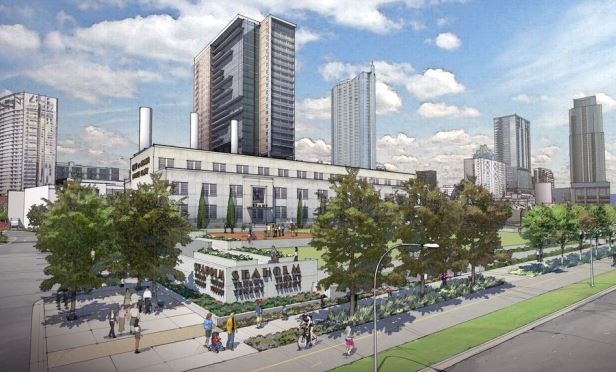
AUSTIN, TX—In most cases, millennials have a desire to live near downtown with the amenities and lifestyle that the city core offers. A good number of millennials are living in the northwest and central business district markets where housing supply and transportation are equally influential factors for desirability of the area.
The housing supply, particularly for multifamily rentals, is greater in these areas–with developments larger and more frequent–than in the downtown area, resulting in higher rental rates closer to the city's urban core, says an Avison Young topical report which discusses millennials and the re-urbanization of the city. Millennials tend to prioritize density, transit proximity and commuting opportunities, but in some areas, housing costs are unaffordable.
The debate rages on as to whether millennials will continue to find urban areas attractive or gravitate toward a new urbanized version of suburbia. The answer to the larger question of millennial preference to urban versus suburban will be better answered by about 2022. The oldest millennial will be approaching 40 years of age, with the median near age 30. Currently, the largest subgroup of millennials is aged 23 to 24. Millennials marrying and having children later in life have an influence as well.
However, according to research conducted by Trulia chief economist Jed Kolko, who analyzed data from the US Census Bureau covering the years 2000 to 2013, “the two-thirds of millennials aged 25 to 34 who lack a bachelor's degree are becoming less likely to live in urban neighborhoods (-8%) and even less likely to reside in hyper-urban neighborhoods (-10%).”
Additional issues such as transportation and traffic in Austin have led to nodal growth and the creation of “urban-burb” areas with increasing frequency of mixed-use real estate developments. One hypothesis to consider is that the millennial live-work-play decision actually hinges on the definition of urban and suburban. Cities offer the closer collaboration of a community of people and the innovation zones of high-tech mixed with high-touch walkable amenity neighborhoods. Such neighborhoods will have varying levels of population density.
Millennials will likely choose to locate where they can access the city center, but live in neighborhoods that still offer an urban experience that most closely resembles the denser downtown, says Avison Young. Inner city neighborhoods, in-fill locations, improved public space and walkable amenities will continue to attract some millennials as their life circumstances change.
Millennials will still have a desire for diverse and innovative environments, likely transforming suburbs into these urban-burbs. These living environments will have the qualities of diverse downtown living without the high price of downtown luxury high-rises.
Mike Kennedy, principal and managing director of Avison Young, tells GlobeSt.com: “Replacing those grocery-anchored power centers are urban-like developments that appeal to millennials who want the feel of urban with the cost of suburban.”
It is likely that companies will find their workforces and tenants to be largely millennials who wish to live, work and play in denser communities than the outlying neighborhoods preferred by their parents and grandparents. By offering their talents and skills for the benefit of their communities and peers, millennials will continue to come together and, ultimately, reshape urban and suburban neighborhoods, says the report.
Accordingly, employers of millennials and real estate developers would be wise to review the historical cycles as well as economic and demographic drivers of American cities–and strive to remain relevant with the diverging lifestyle choices of this highly innovative generation. The millennials' drive to collaborate and innovate will likely, in due time, benefit those communities that have a lower cost of living, adding greater opportunity for the 79 million-strong millennial community to become engaged.
Steady gains in the US economy have resulted in net positives for the multifamily sector—will this wave continue for the foreseeable future? What's driving development and capital flows? Join us at RealShare Apartments on October 19 & 20 for impactful information from the leaders in the National multifamily space. Learn more.
AUSTIN, TX—In most cases, millennials have a desire to live near downtown with the amenities and lifestyle that the city core offers. A good number of millennials are living in the northwest and central business district markets where housing supply and transportation are equally influential factors for desirability of the area.
The housing supply, particularly for multifamily rentals, is greater in these areas–with developments larger and more frequent–than in the downtown area, resulting in higher rental rates closer to the city's urban core, says an Avison Young topical report which discusses millennials and the re-urbanization of the city. Millennials tend to prioritize density, transit proximity and commuting opportunities, but in some areas, housing costs are unaffordable.
The debate rages on as to whether millennials will continue to find urban areas attractive or gravitate toward a new urbanized version of suburbia. The answer to the larger question of millennial preference to urban versus suburban will be better answered by about 2022. The oldest millennial will be approaching 40 years of age, with the median near age 30. Currently, the largest subgroup of millennials is aged 23 to 24. Millennials marrying and having children later in life have an influence as well.
However, according to research conducted by Trulia chief economist Jed Kolko, who analyzed data from the US Census Bureau covering the years 2000 to 2013, “the two-thirds of millennials aged 25 to 34 who lack a bachelor's degree are becoming less likely to live in urban neighborhoods (-8%) and even less likely to reside in hyper-urban neighborhoods (-10%).”
Additional issues such as transportation and traffic in Austin have led to nodal growth and the creation of “urban-burb” areas with increasing frequency of mixed-use real estate developments. One hypothesis to consider is that the millennial live-work-play decision actually hinges on the definition of urban and suburban. Cities offer the closer collaboration of a community of people and the innovation zones of high-tech mixed with high-touch walkable amenity neighborhoods. Such neighborhoods will have varying levels of population density.
Millennials will likely choose to locate where they can access the city center, but live in neighborhoods that still offer an urban experience that most closely resembles the denser downtown, says Avison Young. Inner city neighborhoods, in-fill locations, improved public space and walkable amenities will continue to attract some millennials as their life circumstances change.
Millennials will still have a desire for diverse and innovative environments, likely transforming suburbs into these urban-burbs. These living environments will have the qualities of diverse downtown living without the high price of downtown luxury high-rises.
Mike Kennedy, principal and managing director of Avison Young, tells GlobeSt.com: “Replacing those grocery-anchored power centers are urban-like developments that appeal to millennials who want the feel of urban with the cost of suburban.”
It is likely that companies will find their workforces and tenants to be largely millennials who wish to live, work and play in denser communities than the outlying neighborhoods preferred by their parents and grandparents. By offering their talents and skills for the benefit of their communities and peers, millennials will continue to come together and, ultimately, reshape urban and suburban neighborhoods, says the report.
Accordingly, employers of millennials and real estate developers would be wise to review the historical cycles as well as economic and demographic drivers of American cities–and strive to remain relevant with the diverging lifestyle choices of this highly innovative generation. The millennials' drive to collaborate and innovate will likely, in due time, benefit those communities that have a lower cost of living, adding greater opportunity for the 79 million-strong millennial community to become engaged.
Steady gains in the US economy have resulted in net positives for the multifamily sector—will this wave continue for the foreseeable future? What's driving development and capital flows? Join us at RealShare Apartments on October 19 & 20 for impactful information from the leaders in the National multifamily space. Learn more.
© Arc, All Rights Reserved. Request academic re-use from www.copyright.com. All other uses, submit a request to TMSalesOperations@arc-network.com. For more information visit Asset & Logo Licensing.