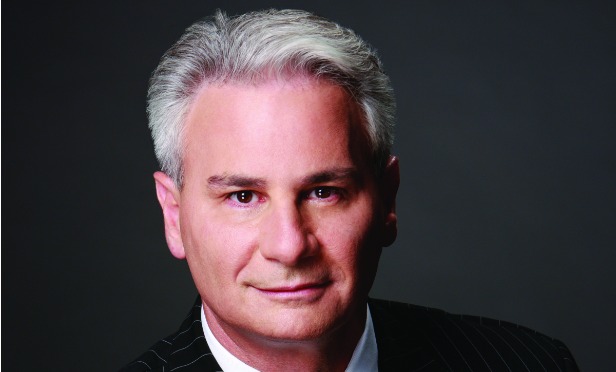
LOS ANGELES—The U.S. Treasury Department has been busy cracking down on foreign investors that are making illegal purchases through luxury—$2 million and higher—real estate transactions. The real estate anti-money laundering campaign had initially focused on Manhattan and Miami but has now hit Los Angeles, as well San Francisco and Chicago. As a result, the U.S. Treasury is now implementing transparency directives that require sellers to identify and report foreign buyers to the U.S. Treasury. Now that the campaign is targeting Los Angeles, we sat down with Lew Feldman, CEO of Heritage Capital Ventures and the chairman emeritus at Goodwin Proctor, for an exclusive interview to find out more about these transparency requirements and what sellers need to know. While the impacts are yet to be realized, Feldman says that all-cash transactions may no longer offer a competitive edge and expedited process. This is sure to be a game changer.
GlobeSt.com: The U.S Treasury's real estate anti-money-laundering campaign is expanding to Los Angeles. Tell me about the campaign.
Lew Feldman: This has been going on for a little while. With so much money flowing into the United States, particularly from China and the Middle East, there have been structures that use off-shore blocker corporations to acquire real estate in the US, which prevents a lot of the reporting requirements. For example, a Chinese buyer would put money into a Hong Kong entity, then that entity would put the money into the Cayman's, and then the Cayman's entity would acquire real estate in the US. The money flowing through these anonymous sources into real estate is especially targeting high-end real estate—$2 million purchases and higher. The key is to create difficulty to do money laundering or illegal investment, and the hope is that this transparency will avoid the negative aspects of where that money came from long term. In a world of negative interest rates, like we have today, we are seeing investors want to get their money into higher yielding countries with safety, like the United States. So, there is more pressure to get the money out and to create a diversified investment base. The strengthening of the dollar and these new transparency rules make it even more difficult.
GlobeSt.com: What do these new transparency requirements entail, and what do sellers in need to know?
Feldman: The Treasury department is looking at how to figure out how to stem the flow of money. A lot of this is focused on the luxury real estate market. The two areas that have been in the most focused on has been Manhattan and Miami, and now it is moving to Los Angeles, San Francisco and Chicago. It is aimed at curtailing money laundering, and it is not just the real estate title company, but everyone along the chain, from lawyers, real estate agents, bankers who make the loans, people who form the corporation. It is quite an extensive list of people who are in the sight of treasury. The seller often doesn't know a lot about the buyer. You know about the company, and you normally respect the company's formation as a separate entity. You are supposed to look behind it as an attorney, but the brokers and title companies rarely do. Now they have to. It is hard to know how this legislation is going to be interpreted. You have list the beneficial owners of the properties, which is any individual that directly or indirectly owns 25% or more of the equity interest in the property. Once the title company has identified those people, they are required to get passports and get their names to the treasury department. This is different than the Patriot Act, which already allows the treasury to look into real estate transactions to see if there is any kind of money laundering or terrorist violations. This requires the professional community to report and let the Treasury determine if there is any money laundering going on.
GlobeSt.com: So, the burden here really falls on the seller and the seller's team?
Feldman: It does, and they end up with penalties that could be in the many millions of dollars. If you are part of any money laundering, you could face criminal prosecution.
GlobeSt.com: Will this make all-cash transactions unappealing, especially if these transparency laws lengthen the process?
Feldman: That is the uncertainty. If you don't have any financing contingencies, you can get a much more efficient execution. When you apply for a loan, there is much more information that is made available to the lender. The cash transaction is done for efficiency, but it is also done because certain cultures don't trust banks.
GlobeSt.com: What is the initial reaction in the industry to these requirements?
Feldman: The title companies have their hands full in making sure that everyone complies. The liability that title officers now face to understand the transparent structure of ownership is going to give them pause. Somehow, they always figure out a way to write their insurance policy. I haven't talked to anyone who have faced this issue yet and who has had to denied anyone.
GlobeSt.com: What is the potential impact of these regulations?
Feldman: It is hard to say what the impact has been so far. We are certainly seeing a softening in the higher-end markets. We are also seeing a slow down in foreign investment, part of that is because of Brexit and part of that is because some countries are worried about outflows of capital. China for example only allows an ordinary citizen to remove $7,000 to the US each year. Yet, these citizens are getting a lot more money off shore than this amount. The Chinese want to control the money flow out, and they don't want all of the money that they are printing to go into the pockets of foreigners because they want to keep stimulating their economy. It is not to say that this is going to have a huge impact, and we don't know at this point, but the anecdotal information that I am able to gather, capital flows are becoming more opaque. We are seeing in some of the deals that I have been working on with a lot of foreign buyers, particularly in the single-family market, are generally families or single buyers and they are figuring out ways to do that.
GlobeSt.com: You mentioned that China is also looking at ways to restrict capital flow out of the country. Do you know if there is an partnership between the US Treasury Department and other governments to work together to curb this issue?
Feldman: Not that I am aware of. The Treasury Crime enforcement network is kind of the one that is responsible for these audits, and I am sure that they work together. However, I am not aware of any partnership that is happening right now.
LOS ANGELES—The U.S. Treasury Department has been busy cracking down on foreign investors that are making illegal purchases through luxury—$2 million and higher—real estate transactions. The real estate anti-money laundering campaign had initially focused on Manhattan and Miami but has now hit Los Angeles, as well San Francisco and Chicago. As a result, the U.S. Treasury is now implementing transparency directives that require sellers to identify and report foreign buyers to the U.S. Treasury. Now that the campaign is targeting Los Angeles, we sat down with Lew Feldman, CEO of Heritage Capital Ventures and the chairman emeritus at
GlobeSt.com: The U.S Treasury's real estate anti-money-laundering campaign is expanding to Los Angeles. Tell me about the campaign.
Lew Feldman: This has been going on for a little while. With so much money flowing into the United States, particularly from China and the Middle East, there have been structures that use off-shore blocker corporations to acquire real estate in the US, which prevents a lot of the reporting requirements. For example, a Chinese buyer would put money into a Hong Kong entity, then that entity would put the money into the Cayman's, and then the Cayman's entity would acquire real estate in the US. The money flowing through these anonymous sources into real estate is especially targeting high-end real estate—$2 million purchases and higher. The key is to create difficulty to do money laundering or illegal investment, and the hope is that this transparency will avoid the negative aspects of where that money came from long term. In a world of negative interest rates, like we have today, we are seeing investors want to get their money into higher yielding countries with safety, like the United States. So, there is more pressure to get the money out and to create a diversified investment base. The strengthening of the dollar and these new transparency rules make it even more difficult.
GlobeSt.com: What do these new transparency requirements entail, and what do sellers in need to know?
Feldman: The Treasury department is looking at how to figure out how to stem the flow of money. A lot of this is focused on the luxury real estate market. The two areas that have been in the most focused on has been Manhattan and Miami, and now it is moving to Los Angeles, San Francisco and Chicago. It is aimed at curtailing money laundering, and it is not just the real estate title company, but everyone along the chain, from lawyers, real estate agents, bankers who make the loans, people who form the corporation. It is quite an extensive list of people who are in the sight of treasury. The seller often doesn't know a lot about the buyer. You know about the company, and you normally respect the company's formation as a separate entity. You are supposed to look behind it as an attorney, but the brokers and title companies rarely do. Now they have to. It is hard to know how this legislation is going to be interpreted. You have list the beneficial owners of the properties, which is any individual that directly or indirectly owns 25% or more of the equity interest in the property. Once the title company has identified those people, they are required to get passports and get their names to the treasury department. This is different than the Patriot Act, which already allows the treasury to look into real estate transactions to see if there is any kind of money laundering or terrorist violations. This requires the professional community to report and let the Treasury determine if there is any money laundering going on.
GlobeSt.com: So, the burden here really falls on the seller and the seller's team?
Feldman: It does, and they end up with penalties that could be in the many millions of dollars. If you are part of any money laundering, you could face criminal prosecution.
GlobeSt.com: Will this make all-cash transactions unappealing, especially if these transparency laws lengthen the process?
Feldman: That is the uncertainty. If you don't have any financing contingencies, you can get a much more efficient execution. When you apply for a loan, there is much more information that is made available to the lender. The cash transaction is done for efficiency, but it is also done because certain cultures don't trust banks.
GlobeSt.com: What is the initial reaction in the industry to these requirements?
Feldman: The title companies have their hands full in making sure that everyone complies. The liability that title officers now face to understand the transparent structure of ownership is going to give them pause. Somehow, they always figure out a way to write their insurance policy. I haven't talked to anyone who have faced this issue yet and who has had to denied anyone.
GlobeSt.com: What is the potential impact of these regulations?
Feldman: It is hard to say what the impact has been so far. We are certainly seeing a softening in the higher-end markets. We are also seeing a slow down in foreign investment, part of that is because of Brexit and part of that is because some countries are worried about outflows of capital. China for example only allows an ordinary citizen to remove $7,000 to the US each year. Yet, these citizens are getting a lot more money off shore than this amount. The Chinese want to control the money flow out, and they don't want all of the money that they are printing to go into the pockets of foreigners because they want to keep stimulating their economy. It is not to say that this is going to have a huge impact, and we don't know at this point, but the anecdotal information that I am able to gather, capital flows are becoming more opaque. We are seeing in some of the deals that I have been working on with a lot of foreign buyers, particularly in the single-family market, are generally families or single buyers and they are figuring out ways to do that.
GlobeSt.com: You mentioned that China is also looking at ways to restrict capital flow out of the country. Do you know if there is an partnership between the US Treasury Department and other governments to work together to curb this issue?
Feldman: Not that I am aware of. The Treasury Crime enforcement network is kind of the one that is responsible for these audits, and I am sure that they work together. However, I am not aware of any partnership that is happening right now.
© Arc, All Rights Reserved. Request academic re-use from www.copyright.com. All other uses, submit a request to TMSalesOperations@arc-network.com. For more information visit Asset & Logo Licensing.