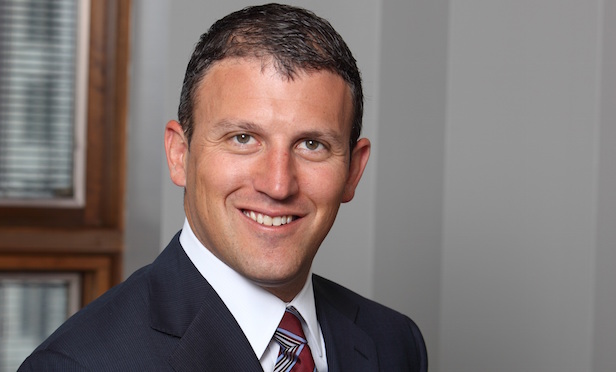
SOUTHFIELD, MI—Founded in 1976, Farbman Group manages more than 25 million square feet of office, retail, multifamily and industrial space throughout the Midwest. The Southfield, MI-based company entered the Milwaukee market this past June with its $30.5-million purchase of the Chase Tower. GlobeSt.com recently spoke with the firm's CEO, Andy Farbman, about his company's recent transactions and the forces shaping the office industry in this exclusive Q&A.
GlobeSt.com: Tell us about your firm's recent purchase of the Chase Tower in downtown Milwaukee. Why did this deal make sense for Farbman Group?
Andy Farbman: The 22-story, 472,500-square-foot Chase Tower is one of downtown Milwaukee's largest office buildings. It's also our first Wisconsin property. We're excited about Milwaukee, and we think the city is really moving in the right direction. Downtown is particularly active, with the new Milwaukee Bucks arena and Northwestern Mutual's office tower currently under construction. As for the building itself, we love the location, the attached five-level, 746-space parking structure, and the potential that exists to upgrade both the tower and the parking facilities in the months and years ahead. Our first priority will be to upgrade the lobby and work to put some new amenities in place. And, of course, fundamentally we felt the price was right.
GlobeSt.com: What was the process like in terms of identifying this particular property? What stood out to you?
Farbman: In a general sense, we are always focused on identifying great buildings and value. And, as I mentioned, we are bullish on Milwaukee's potential at the moment. We tend to move quite deliberately; we have been looking closely at Milwaukee and some potential opportunities there for almost a decade now.
The Chase Tower in particular has a lot going for it that we think will make it an appealing option for tenants. It's in a great neighborhood in a very walkable downtown environment, the history and charm of the Third Ward and the vibrant activity of the lakefront are just a stroll away. The Chase Tower also has some great views overlooking the river, and the convenience of an attached parking deck is something we think will appeal to businesses looking for a space with amenities and conveniences that will appeal to the much sought after millennial employees. That's actually something we see reflected in the commercial real estate market nationally at the moment.
GlobeSt.com: What specifically are tenants looking for, and what kinds of national trends do we see shaping what seems to be an ever-evolving commercial real estate marketplace?
Farbman: Nationally, we are seeing tenants still primarily focused on downtown and suburban markets with plenty of amenities, transit access and dynamic and engaging live/work/play environments. As we continue to see the class A market tighten up, tenants are becoming more open to well-positioned class B properties and creative spaces. While some are migrating to class A spaces and seeking out more elaborate amenities, tech companies and start-ups remain among the best candidates for unique, renovated warehouse spaces and other venues.
And it isn't just alternate spaces; it's entirely different workplace strategies, as well. Tenants in a range of markets and industries are more open than ever to alternative workplace arrangements and new ways to maximize efficiency and foster collaboration.
GlobeSt.com: How are things evolving for your clients as the demographic profile of the workforce changes?
Farbman: When we talk about an evolving workforce, we're of course primarily referring to Millennials, and that's a demographic with a very specific set of interests and priorities.
GlobeSt.com: Millennials are still the headline, then?
Farbman: They are. And as much attention as they have gotten, it's not misplaced: Millennials really are the driving force in terms of shaping office real estate preferences and priorities. Millennials comprise nearly 40% of the workforce—and that number is predicted to be closer to 75% a decade from now. Business owners and operators have recognized that if they want to retain that important millennial talent, they are going to need to address their workspace preferences in a meaningful way.
GlobeSt.com: Talk a little bit more about those preferences and how owners are responding to them.
Farbman: A modern, comfortable work environment is a prerequisite for many Millennials, and public transit or convenient parking is a must. Unique collaborative and community spaces are also a popular feature in many new offices, and amenities like gyms and in-house dining options are a big selling point. Millennials are also looking beyond their office building, however. They increasingly want to work, as well as live and play, in environments where they have plenty of options to socialize, grab a bite to eat or spend some quality time outdoors.
GlobeSt.com: What other workplace trends are relevant from a real estate standpoint?
Farbman: The rise of 18-hour cities–the transformation of former nine-to-five cities into urban communities that stay busy and bustling well after many businesses close for the day–is very significant. The downtown desert is a thing of the past in many cities, and revitalized and reinvigorated urban environments are filling up with place to live, shop work, eat and be entertained.
Downtown areas across the Midwest are evolving, or already have evolved, into 18-hour cities, a model that strikes a nice balance between the round-the-clock activity of some of the big megalopolis, and the hollowed out urban cores that were all too familiar just a decade or two ago. The result is vibrant, but still livable downtown neighborhoods that attract businesses, residents, developers and investors. Shared workspaces are also on the rise. Modern corporate norms have relaxed, and not only have in-office working environments trended towards more communal and collaborative spaces—often with flexible hours and work-from-home availability—but the very concept of the office itself is evolving. Co-working spaces and other similar flex-office concepts are rapidly gaining in popularity.
GlobeSt.com: Is the growing popularity of co-working spaces and office alternatives, along with the enthusiasm for and investment in so many urban environments, expanding the range of possibilities for companies like Farbman Group?
Farbman: Absolutely. Deeply understanding these trends, and doing your best to stay ahead of the curve with respect to today's tenant demands and desires, is arguably more important than ever. This is a remarkable time for the industry, and it's exciting to be a part of it.
SOUTHFIELD, MI—Founded in 1976, Farbman Group manages more than 25 million square feet of office, retail, multifamily and industrial space throughout the Midwest. The Southfield, MI-based company entered the Milwaukee market this past June with its $30.5-million purchase of the Chase Tower. GlobeSt.com recently spoke with the firm's CEO, Andy Farbman, about his company's recent transactions and the forces shaping the office industry in this exclusive Q&A.
GlobeSt.com: Tell us about your firm's recent purchase of the Chase Tower in downtown Milwaukee. Why did this deal make sense for Farbman Group?
Andy Farbman: The 22-story, 472,500-square-foot Chase Tower is one of downtown Milwaukee's largest office buildings. It's also our first Wisconsin property. We're excited about Milwaukee, and we think the city is really moving in the right direction. Downtown is particularly active, with the new Milwaukee Bucks arena and
GlobeSt.com: What was the process like in terms of identifying this particular property? What stood out to you?
Farbman: In a general sense, we are always focused on identifying great buildings and value. And, as I mentioned, we are bullish on Milwaukee's potential at the moment. We tend to move quite deliberately; we have been looking closely at Milwaukee and some potential opportunities there for almost a decade now.
The Chase Tower in particular has a lot going for it that we think will make it an appealing option for tenants. It's in a great neighborhood in a very walkable downtown environment, the history and charm of the Third Ward and the vibrant activity of the lakefront are just a stroll away. The Chase Tower also has some great views overlooking the river, and the convenience of an attached parking deck is something we think will appeal to businesses looking for a space with amenities and conveniences that will appeal to the much sought after millennial employees. That's actually something we see reflected in the commercial real estate market nationally at the moment.
GlobeSt.com: What specifically are tenants looking for, and what kinds of national trends do we see shaping what seems to be an ever-evolving commercial real estate marketplace?
Farbman: Nationally, we are seeing tenants still primarily focused on downtown and suburban markets with plenty of amenities, transit access and dynamic and engaging live/work/play environments. As we continue to see the class A market tighten up, tenants are becoming more open to well-positioned class B properties and creative spaces. While some are migrating to class A spaces and seeking out more elaborate amenities, tech companies and start-ups remain among the best candidates for unique, renovated warehouse spaces and other venues.
And it isn't just alternate spaces; it's entirely different workplace strategies, as well. Tenants in a range of markets and industries are more open than ever to alternative workplace arrangements and new ways to maximize efficiency and foster collaboration.
GlobeSt.com: How are things evolving for your clients as the demographic profile of the workforce changes?
Farbman: When we talk about an evolving workforce, we're of course primarily referring to Millennials, and that's a demographic with a very specific set of interests and priorities.
GlobeSt.com: Millennials are still the headline, then?
Farbman: They are. And as much attention as they have gotten, it's not misplaced: Millennials really are the driving force in terms of shaping office real estate preferences and priorities. Millennials comprise nearly 40% of the workforce—and that number is predicted to be closer to 75% a decade from now. Business owners and operators have recognized that if they want to retain that important millennial talent, they are going to need to address their workspace preferences in a meaningful way.
GlobeSt.com: Talk a little bit more about those preferences and how owners are responding to them.
Farbman: A modern, comfortable work environment is a prerequisite for many Millennials, and public transit or convenient parking is a must. Unique collaborative and community spaces are also a popular feature in many new offices, and amenities like gyms and in-house dining options are a big selling point. Millennials are also looking beyond their office building, however. They increasingly want to work, as well as live and play, in environments where they have plenty of options to socialize, grab a bite to eat or spend some quality time outdoors.
GlobeSt.com: What other workplace trends are relevant from a real estate standpoint?
Farbman: The rise of 18-hour cities–the transformation of former nine-to-five cities into urban communities that stay busy and bustling well after many businesses close for the day–is very significant. The downtown desert is a thing of the past in many cities, and revitalized and reinvigorated urban environments are filling up with place to live, shop work, eat and be entertained.
Downtown areas across the Midwest are evolving, or already have evolved, into 18-hour cities, a model that strikes a nice balance between the round-the-clock activity of some of the big megalopolis, and the hollowed out urban cores that were all too familiar just a decade or two ago. The result is vibrant, but still livable downtown neighborhoods that attract businesses, residents, developers and investors. Shared workspaces are also on the rise. Modern corporate norms have relaxed, and not only have in-office working environments trended towards more communal and collaborative spaces—often with flexible hours and work-from-home availability—but the very concept of the office itself is evolving. Co-working spaces and other similar flex-office concepts are rapidly gaining in popularity.
GlobeSt.com: Is the growing popularity of co-working spaces and office alternatives, along with the enthusiasm for and investment in so many urban environments, expanding the range of possibilities for companies like Farbman Group?
Farbman: Absolutely. Deeply understanding these trends, and doing your best to stay ahead of the curve with respect to today's tenant demands and desires, is arguably more important than ever. This is a remarkable time for the industry, and it's exciting to be a part of it.
© Arc, All Rights Reserved. Request academic re-use from www.copyright.com. All other uses, submit a request to TMSalesOperations@arc-network.com. For more information visit Asset & Logo Licensing.