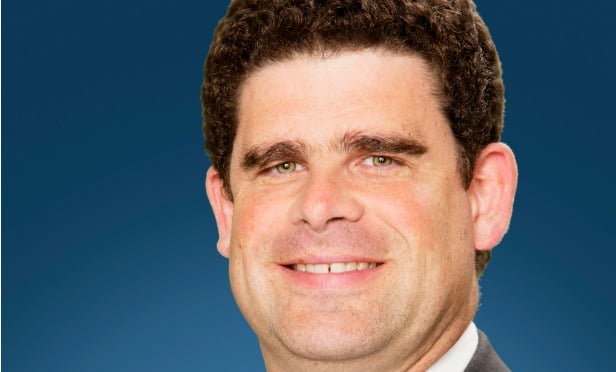
LOS ANGELES—One of the major problems that Los Angeles has faced in designing public transit is what city planners call the last mile, or moving people from the transit station to their final destination. In a sprawling city like Los Angeles, this has been a major challenge, but transit-oriented development is likely the key to solving it, according to Andrew Fogg, a partner at Cox, Castle & Nicholson. Rather than expanding transit in an attempt to reach every corner and pocket of Los Angeles, the city is bringing density to existing stations and creating communities around those stations.
“We are building connections to the regional connections that were established, but the problem that is associated with that is, how do we solve for the last mile. It is an interesting question,” Fogg tells GlobeSt.com. “We are region that has developed primarily single-family housing, and we have seen the affect of that that comes with it. The transit-oriented model is an appropriate way to find a little bit more density and allow us to build a little more vertically. With this development, we can address some of the inherent issues that come with people being far away from each other and far away from employment centers.”
Of course, transit-oriented development doesn't mean that the city will stop expanding the much-needed transit lines, but rather is increasing accessibility by boosting development around those lines to create housing and job centers. “We have a robust bus system and we are building a robust rail system, but it is a challenge,” adds Fogg. “Transit oriented development is bringing the intensity of development to the transit line.”
The face of Los Angeles is changing from a sprawling city of single-family houses to a dense city with vertical housing and public transportation, and transit-oriented development is going to take us there. Fogg says that he thinks this is the key to solving the problem of the last mile and he expects to see more and more transit-focused development in the future. “I am very excited about this. I think it is smart development and I think that it is development that we should be looking at in the future,” says Fogg. “Renewed interest in our urban core is a good thing for us as a society, and I think there is going to be continued interest in pursuing this type of development.”
Steady gains in the US economy have resulted in net positives for the multifamily sector—will this wave continue for the foreseeable future? What's driving development and capital flows? Join us at RealShare Apartments on October 19 & 20 for impactful information from the leaders in the National multifamily space. Learn more.
LOS ANGELES—One of the major problems that Los Angeles has faced in designing public transit is what city planners call the last mile, or moving people from the transit station to their final destination. In a sprawling city like Los Angeles, this has been a major challenge, but transit-oriented development is likely the key to solving it, according to Andrew Fogg, a partner at
“We are building connections to the regional connections that were established, but the problem that is associated with that is, how do we solve for the last mile. It is an interesting question,” Fogg tells GlobeSt.com. “We are region that has developed primarily single-family housing, and we have seen the affect of that that comes with it. The transit-oriented model is an appropriate way to find a little bit more density and allow us to build a little more vertically. With this development, we can address some of the inherent issues that come with people being far away from each other and far away from employment centers.”
Of course, transit-oriented development doesn't mean that the city will stop expanding the much-needed transit lines, but rather is increasing accessibility by boosting development around those lines to create housing and job centers. “We have a robust bus system and we are building a robust rail system, but it is a challenge,” adds Fogg. “Transit oriented development is bringing the intensity of development to the transit line.”
The face of Los Angeles is changing from a sprawling city of single-family houses to a dense city with vertical housing and public transportation, and transit-oriented development is going to take us there. Fogg says that he thinks this is the key to solving the problem of the last mile and he expects to see more and more transit-focused development in the future. “I am very excited about this. I think it is smart development and I think that it is development that we should be looking at in the future,” says Fogg. “Renewed interest in our urban core is a good thing for us as a society, and I think there is going to be continued interest in pursuing this type of development.”
Steady gains in the US economy have resulted in net positives for the multifamily sector—will this wave continue for the foreseeable future? What's driving development and capital flows? Join us at RealShare Apartments on October 19 & 20 for impactful information from the leaders in the National multifamily space. Learn more.
© Arc, All Rights Reserved. Request academic re-use from www.copyright.com. All other uses, submit a request to TMSalesOperations@arc-network.com. For more information visit Asset & Logo Licensing.