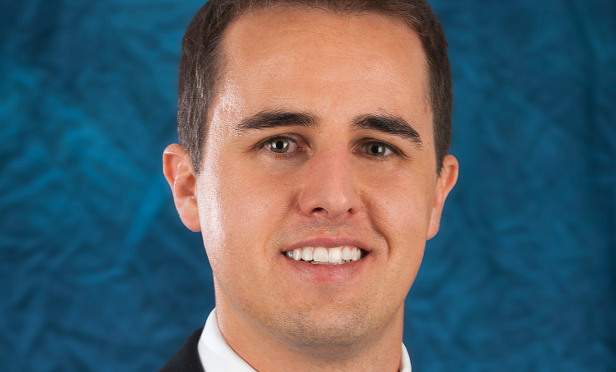
SAN DIEGO—There is approximately 250,000 square feet of raw land on Torrey Pines Mesa that could accommodate future ground-up development of life-science buildings in that hub, Grant Schoneman, an SVP in JLL's life-sciences group, tells GlobeSt.com. According to a recent report from the firm, total availability of life-sciences space in San Diego ended the second quarter at 11.5%, a 30-basis-point increase from the end of the first quarter attributed to four new subleases that were brought to the market that together totaled 117,000 square feet. This new availability was the main driver to the second quarter recording -68,000 square feet of net absorption; however, some of this new sublease space is already seeing interest from prospects.
We spoke with Schoneman exclusively about the latest changes in the life-sciences sector here and where development is likely to take place in this market.
GlobeSt.com: What are the latest changes within the life-sciences sector in San Diego?
Schoneman: Record leasing activity in 2014 and 2015 has produced single-digit availability and caused year-over-year double-digit rental-rate increases in the San Diego life sciences market. What has transpired is that landlords have been actively converting existing office buildings to life-science facilities—this trend predominately occurring in the UTC submarket. During the past 18 months, there has been more than 800,000 square feet of office buildings in UTC that have been purchased and have either been converted or are currently being converted into lab space. More than 400,000 square feet of these new life-science buildings has already been leased, with pending activity on an additional 130,000 square feet.
Despite a strong past two years, the life-science market has seen a modest slowdown during the first six months of 2016. A cause for the lag in leasing activity has been the first-half decline in the biotech index. While the index has been trending in a positive direction as of late (growing by 16.5% over the past 60 days), the first six months of the year recorded a 29% decline in the index. San Diego's publicly traded biotech companies have felt the effect of this drop, losing on average 50% of their market caps. The San Diego life-science real estate market has felt the effects of a depressed index, as companies have become more prudent with their real estate decisions—often waiting until they have key data milestones secured, rather than securing new space in anticipation of having the scientific data—which was more of the norm during the past two years. With a depressed index and a non-existent IPO market, companies have looked to VCs to secure additional funding; pushing biotechnology to be the top VC sector in San Diego, securing $233 million during the second quarter of 2016.
GlobeSt.com: Is there still room to develop on the Torrey Pines Mesa?
Schoneman: Yes, there is still room to develop on the Torrey Pines Mesa. There is approximately 250,000 square feet of raw land that could accommodate future ground-up development of life science buildings. Additionally, the redevelopment of existing buildings has been an ongoing trend on the mesa during the past seven-plus years. There is currently more than 275,000 square feet of redevelopment activity under construction, with another 500,000 square feet of planned future r-development.
GlobeSt.com: Where else could development take place, and is there a possibility of other life-science hubs emerging in this market?
Schoneman: The San Diego market has a fairly defined life-science cluster, consisting of Torrey Pines, UTC, Sorrento Mesa and Sorrento Valley (the four submarkets totaling more than 14 million square feet). Outside of the main San Diego cluster is the Carlsbad market, which consists of approximately 2.1 million square feet. Life-science companies have a strong propensity to remain within the cluster submarkets, providing them access to highly amenitized research campuses that provide class-A lab and office space, the ability to scale their growth and attract the best talent. Additionally, lab space is very expensive to build-out, oftentimes costing more than $200 per square foot from a building in shell condition. The high costs for laboratory-tenant improvements creates a barrier to entry for many landlords who own buildings outside of the core life-science cluster. Most often, these owners don't find it accretive to their building (or campus) to pay the high price to convert to lab use. They are unable to justify the associated risk that comes the high capital-improvement costs being put into the building for a pre-revenue biotech company.
GlobeSt.com: What else should our readers know about the life-sciences sector in San Diego?
Schoneman: San Diego continues to be a leading market in the global life-sciences sector. The breadth of talent and entrepreneurism, combined with a uniquely collaborative environment, is what makes San Diego such a strong area for biotechnology companies, research institutes and large pharmaceuticals. UCSD alone secured $1.07 billion worth of funding over the past 12 months to put towards ongoing research programs. Additionally, there continues to be a strong flow of new companies being spun out of UCSD and other prominent institutions that are successfully securing funding to accelerate research programs. Together, these key market drivers are expected to keep the San Diego life-sciences sector well positioned on the national and global landscape for years to come.
SAN DIEGO—There is approximately 250,000 square feet of raw land on Torrey Pines Mesa that could accommodate future ground-up development of life-science buildings in that hub, Grant Schoneman, an SVP in JLL's life-sciences group, tells GlobeSt.com. According to a recent report from the firm, total availability of life-sciences space in San Diego ended the second quarter at 11.5%, a 30-basis-point increase from the end of the first quarter attributed to four new subleases that were brought to the market that together totaled 117,000 square feet. This new availability was the main driver to the second quarter recording -68,000 square feet of net absorption; however, some of this new sublease space is already seeing interest from prospects.
We spoke with Schoneman exclusively about the latest changes in the life-sciences sector here and where development is likely to take place in this market.
GlobeSt.com: What are the latest changes within the life-sciences sector in San Diego?
Schoneman: Record leasing activity in 2014 and 2015 has produced single-digit availability and caused year-over-year double-digit rental-rate increases in the San Diego life sciences market. What has transpired is that landlords have been actively converting existing office buildings to life-science facilities—this trend predominately occurring in the UTC submarket. During the past 18 months, there has been more than 800,000 square feet of office buildings in UTC that have been purchased and have either been converted or are currently being converted into lab space. More than 400,000 square feet of these new life-science buildings has already been leased, with pending activity on an additional 130,000 square feet.
Despite a strong past two years, the life-science market has seen a modest slowdown during the first six months of 2016. A cause for the lag in leasing activity has been the first-half decline in the biotech index. While the index has been trending in a positive direction as of late (growing by 16.5% over the past 60 days), the first six months of the year recorded a 29% decline in the index. San Diego's publicly traded biotech companies have felt the effect of this drop, losing on average 50% of their market caps. The San Diego life-science real estate market has felt the effects of a depressed index, as companies have become more prudent with their real estate decisions—often waiting until they have key data milestones secured, rather than securing new space in anticipation of having the scientific data—which was more of the norm during the past two years. With a depressed index and a non-existent IPO market, companies have looked to VCs to secure additional funding; pushing biotechnology to be the top VC sector in San Diego, securing $233 million during the second quarter of 2016.
GlobeSt.com: Is there still room to develop on the Torrey Pines Mesa?
Schoneman: Yes, there is still room to develop on the Torrey Pines Mesa. There is approximately 250,000 square feet of raw land that could accommodate future ground-up development of life science buildings. Additionally, the redevelopment of existing buildings has been an ongoing trend on the mesa during the past seven-plus years. There is currently more than 275,000 square feet of redevelopment activity under construction, with another 500,000 square feet of planned future r-development.
GlobeSt.com: Where else could development take place, and is there a possibility of other life-science hubs emerging in this market?
Schoneman: The San Diego market has a fairly defined life-science cluster, consisting of Torrey Pines, UTC, Sorrento Mesa and Sorrento Valley (the four submarkets totaling more than 14 million square feet). Outside of the main San Diego cluster is the Carlsbad market, which consists of approximately 2.1 million square feet. Life-science companies have a strong propensity to remain within the cluster submarkets, providing them access to highly amenitized research campuses that provide class-A lab and office space, the ability to scale their growth and attract the best talent. Additionally, lab space is very expensive to build-out, oftentimes costing more than $200 per square foot from a building in shell condition. The high costs for laboratory-tenant improvements creates a barrier to entry for many landlords who own buildings outside of the core life-science cluster. Most often, these owners don't find it accretive to their building (or campus) to pay the high price to convert to lab use. They are unable to justify the associated risk that comes the high capital-improvement costs being put into the building for a pre-revenue biotech company.
GlobeSt.com: What else should our readers know about the life-sciences sector in San Diego?
Schoneman: San Diego continues to be a leading market in the global life-sciences sector. The breadth of talent and entrepreneurism, combined with a uniquely collaborative environment, is what makes San Diego such a strong area for biotechnology companies, research institutes and large pharmaceuticals. UCSD alone secured $1.07 billion worth of funding over the past 12 months to put towards ongoing research programs. Additionally, there continues to be a strong flow of new companies being spun out of UCSD and other prominent institutions that are successfully securing funding to accelerate research programs. Together, these key market drivers are expected to keep the San Diego life-sciences sector well positioned on the national and global landscape for years to come.
© Arc, All Rights Reserved. Request academic re-use from www.copyright.com. All other uses, submit a request to TMSalesOperations@arc-network.com. For more information visit Asset & Logo Licensing.