
SAN DIEGO—Industrial landlords could raise rents in San Diego to the extent that tenants will explore options other than extending at fair market value, which could bring in a new wave of industrial tenants to Central San Diego especially, Lee & Associates associate Jordan Phillips tells GlobeSt.com. We spoke exclusively with Phillips about this phenomenon and where he believes it's heading.
GlobeSt.com: What shifts have you noticed in industrial tenant activity over the last five years?
Phillips: Since 2011, industrial vacancy rates in central San Diego have steadily declined, leaving many tenants faced with long searches for their ideal properties and, in some cases, forced to set up shop in different locations within San Diego County. This time-intensive search process has forced many businesses to incur delay costs in their operations and alter their capital budgeting. Fortunately for prospective tenants, current tenants are about to face a potential problem, which could open up new available space and increase leasing opportunities.
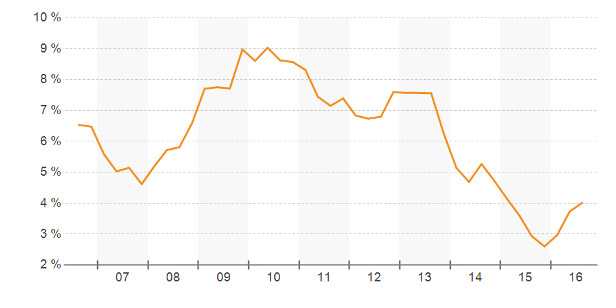
GlobeSt.com: What do industrial vacancy rates and rental rates for Central San Diego look like now?
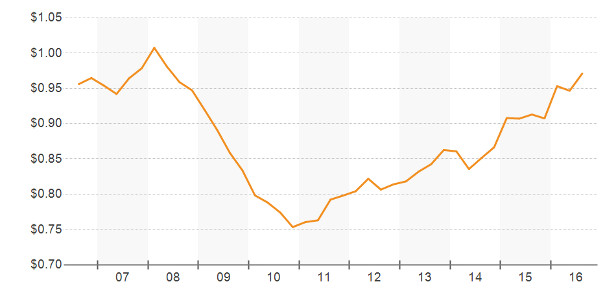
Phillips: Average asking rents have risen from $0.75 per square foot triple-net per month in 2011 to $0.97 per square foot triple-net per month in 2016. This extreme rise in rental rates can, and almost certainly will, have a major effect on existing tenants who signed leases within 2011 and 2012. But why is this?
Many tenants who signed leases during this time, negotiated rental rates which were relatively low compared to current rental rates. These tenants are now approaching the shock of lease renewals in line with current market rates.
Back in the early part of the decade, landlords were very aware that they were leasing out their space at an inopportune time, rent wise. However, since vacancy rates were so high, they were forced to deal out long-term deals with which they might not have been comfortable. In order to protect themselves in future lease negotiations, many landlords put into their leases a fair-market-value option to extend. Herein this option lies the problem for current tenants.
GlobeSt.com: Can you give us an example of how this fair-market-value option to extend works against current tenants?
Phillips: Say tenant A leases out an average 1,000-square-foot space on a five-year term starting September 1, 2011, that is set to expire August 31, 2016, at a starting rental rate of $0.75 per square foot triple-net. Let's assume that they have standard 3% annual increases built into their lease. By year five, they would be paying $0.84 per square foot triple-net and would expect to pay $0.87 per square foot triple net, if the 3% increase followed into year one of their new lease.
Unfortunately for this tenant, assuming they exercised their option to extend at fair market value, their landlord would have the right to start their new lease rate at $0.97 per square foot triple-net (the current FMV for the average industrial space in Central San Diego), as opposed to $0.87 per square foot triple net. While $0.10 per square foot might not seem like much to the 1,000-square-foot users, it might have significant repercussions for tenants occupying larger space.

If the tenant chooses to extend their lease at FMV, they could, on average, expect their new starting lease rate to be nearly 9% higher (at $0.97 per square foot triple-net) than their current rate instead of their usual 3% increase (at $.87 per square foot triple-net). This totals a $127,419 difference over a new five-year term. This large monetary sum will surely give motivation to the tenant, come renewal negotiations, to explore options other than extending at a FMV. Naturally, if the current tenant were to leave, it would create an opportunity for new tenants to lease the space, but at the higher rate now on the market.
GlobeSt.com: Is it likely that landlords will play it safe and renew at below market value in order to avoid potential vacancy?
Phillips: This also causes concern for tenants. Many options to extend must be exercised by the tenant between six to nine months before the lease expires. This again puts the pressure on the tenant. Since the median time to lease an industrial building in Central San Diego is currently three months, landlords may feel more comfortable rejecting a below-market extension and subsequently take their building to market, especially if they feel they can lease it in close to “as-is” condition—once again, strengthening the possibility of an increase in available properties.
Whether tenants stay or go, it can't be denied that the renewal process will have an effect on tenants. Only time will tell however, if current tenants will give in and lease out their space at the increased rate, or will decide to move elsewhere and open up opportunities for new tenants.
SAN DIEGO—Industrial landlords could raise rents in San Diego to the extent that tenants will explore options other than extending at fair market value, which could bring in a new wave of industrial tenants to Central San Diego especially, Lee & Associates associate Jordan Phillips tells GlobeSt.com. We spoke exclusively with Phillips about this phenomenon and where he believes it's heading.
GlobeSt.com: What shifts have you noticed in industrial tenant activity over the last five years?
Phillips: Since 2011, industrial vacancy rates in central San Diego have steadily declined, leaving many tenants faced with long searches for their ideal properties and, in some cases, forced to set up shop in different locations within San Diego County. This time-intensive search process has forced many businesses to incur delay costs in their operations and alter their capital budgeting. Fortunately for prospective tenants, current tenants are about to face a potential problem, which could open up new available space and increase leasing opportunities.
GlobeSt.com: What do industrial vacancy rates and rental rates for Central San Diego look like now?
Phillips: Average asking rents have risen from $0.75 per square foot triple-net per month in 2011 to $0.97 per square foot triple-net per month in 2016. This extreme rise in rental rates can, and almost certainly will, have a major effect on existing tenants who signed leases within 2011 and 2012. But why is this?
Many tenants who signed leases during this time, negotiated rental rates which were relatively low compared to current rental rates. These tenants are now approaching the shock of lease renewals in line with current market rates.
Back in the early part of the decade, landlords were very aware that they were leasing out their space at an inopportune time, rent wise. However, since vacancy rates were so high, they were forced to deal out long-term deals with which they might not have been comfortable. In order to protect themselves in future lease negotiations, many landlords put into their leases a fair-market-value option to extend. Herein this option lies the problem for current tenants.
GlobeSt.com: Can you give us an example of how this fair-market-value option to extend works against current tenants?
Phillips: Say tenant A leases out an average 1,000-square-foot space on a five-year term starting September 1, 2011, that is set to expire August 31, 2016, at a starting rental rate of $0.75 per square foot triple-net. Let's assume that they have standard 3% annual increases built into their lease. By year five, they would be paying $0.84 per square foot triple-net and would expect to pay $0.87 per square foot triple net, if the 3% increase followed into year one of their new lease.
Unfortunately for this tenant, assuming they exercised their option to extend at fair market value, their landlord would have the right to start their new lease rate at $0.97 per square foot triple-net (the current FMV for the average industrial space in Central San Diego), as opposed to $0.87 per square foot triple net. While $0.10 per square foot might not seem like much to the 1,000-square-foot users, it might have significant repercussions for tenants occupying larger space.
If the tenant chooses to extend their lease at FMV, they could, on average, expect their new starting lease rate to be nearly 9% higher (at $0.97 per square foot triple-net) than their current rate instead of their usual 3% increase (at $.87 per square foot triple-net). This totals a $127,419 difference over a new five-year term. This large monetary sum will surely give motivation to the tenant, come renewal negotiations, to explore options other than extending at a FMV. Naturally, if the current tenant were to leave, it would create an opportunity for new tenants to lease the space, but at the higher rate now on the market.
GlobeSt.com: Is it likely that landlords will play it safe and renew at below market value in order to avoid potential vacancy?
Phillips: This also causes concern for tenants. Many options to extend must be exercised by the tenant between six to nine months before the lease expires. This again puts the pressure on the tenant. Since the median time to lease an industrial building in Central San Diego is currently three months, landlords may feel more comfortable rejecting a below-market extension and subsequently take their building to market, especially if they feel they can lease it in close to “as-is” condition—once again, strengthening the possibility of an increase in available properties.
Whether tenants stay or go, it can't be denied that the renewal process will have an effect on tenants. Only time will tell however, if current tenants will give in and lease out their space at the increased rate, or will decide to move elsewhere and open up opportunities for new tenants.
© Arc, All Rights Reserved. Request academic re-use from www.copyright.com. All other uses, submit a request to TMSalesOperations@arc-network.com. For more information visit Asset & Logo Licensing.