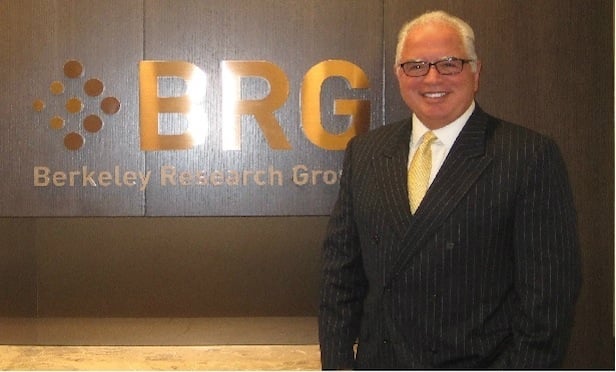
NEW YORK CITY—Among the largest institutional players, domestic as well as foreign, there's a note of caution creeping into their decision-making, says Constantine Korologos, managing director with Berkeley Research Group. The capital markets veteran, who will be among the industry experts discussing “Big Deals, Big Transactions” at this year's RealShare National Investment & Finance conference, scheduled for Oct. 6 at the Roosevelt Hotel in New York City, sees debt opportunities growing in appeal.
“The bottom line is no deal is easy to get done right now,” Korologos tells GlobeSt.com. “For a debt raise or an equity raise, everything is tough right now. People are spending more time thinking about it. They're analyzing it and they're re-analyzing the analysis.” If that more thoughtful approach creates more transparency with buyer intentions, that's a positive, he adds.
“Sovereign wealth funds from Asia are still looking at the marketplace, but I think they might have a little concern about where we might be in the cycle, that we might be getting up there,” Korologos says. As a result, he says, “I've had some foreign institutional investors talk about exploring the debt markets, as opposed to the equity markets, because of where we might be in the cycle.”
He sees something of a shift among deep-pocketed Asian investors. “Some of the Asian groups that I've had interaction with in the past wanted New York, San Francisco, DC, Boston, and the prices got really heated in the equity markets for those trophy properties,” says Korologos. “Some of them have stepped back a little and said, 'I don't necessarily want to be the guy who takes down the deal at the lowest cap rate on record.' I'm hearing that they'll invest large checks, but they want to be investing alongside maybe a US institutional investor, so that they'll feel they're in good company.”
This more measured approach isn't limited to foreign investors. “I'm seeing that even in the US,” Korologos says. “Investors such as pension funds, who traditionally have not been big debt players, now are looking at opportunities to step in on the high-quality debt side.”
That being said, the US continues to be viewed as the safest of safe havens, especially with Brexit worries pushing the UK onto the sidelines at the moment. At the same time, “There's no question that the capital is being much more sensitive to where we are in the cycle,” Korologos says. He cites a few socioeconomic factors that might be contributing factors, such as the outcome of the presidential election.
“There is, if anything, a caution about where we've recovered past prior peak levels,” he says. “What that means is that some people are saying 'maybe I want to be on the debt side of the equation and have a little bit of cushion.' ”
Nor does Korologos see the desire for a cushion abating in the next six months or so, especially given the regulatory pressures on both CMBS and banks. “Construction financing is not a good use of the bank's balance sheet right now, given the capital treatment,” he says.
Accordingly, says Korologos, “You look at a lot of the shadow-bank, non-bank lenders who are growing in magnitude and putting a lot of capital out. You start to see that there's opportunity in that part of the capital stack, and so you're starting to attract capital sources that either invested in real estate equity and now want to have a little bit of a cushion by looking at debt, or other people that have not been in the equity space but see debt as an opportunity. There are market opportunities that institutional investors in the past may not have been as quick to look at but now are looking at.
“You're always going to have equity players that believe in the equity; trophy buildings will continue to sell,” he continues. “But maybe instead of having 20 bidders, now you have six. When you're projecting your market assumptions, the higher you get in that stratosphere of equity pricing, the less you're going to be able to put those aggressive growth numbers into your model.”
More than 300 of the industry's leading national investors, REITs, banks, private equity firms, asset management firms and other institutions will join us as we explore the market conditions behind the trends at this year's RealShare National Investment & Finance, scheduled for Oct. 5 and 6 at the Roosevelt Hotel in New York City. Learn more.
“The bottom line is no deal is easy to get done right now,” Korologos tells GlobeSt.com. “For a debt raise or an equity raise, everything is tough right now. People are spending more time thinking about it. They're analyzing it and they're re-analyzing the analysis.” If that more thoughtful approach creates more transparency with buyer intentions, that's a positive, he adds.
“Sovereign wealth funds from Asia are still looking at the marketplace, but I think they might have a little concern about where we might be in the cycle, that we might be getting up there,” Korologos says. As a result, he says, “I've had some foreign institutional investors talk about exploring the debt markets, as opposed to the equity markets, because of where we might be in the cycle.”
He sees something of a shift among deep-pocketed Asian investors. “Some of the Asian groups that I've had interaction with in the past wanted
This more measured approach isn't limited to foreign investors. “I'm seeing that even in the US,” Korologos says. “Investors such as pension funds, who traditionally have not been big debt players, now are looking at opportunities to step in on the high-quality debt side.”
That being said, the US continues to be viewed as the safest of safe havens, especially with Brexit worries pushing the UK onto the sidelines at the moment. At the same time, “There's no question that the capital is being much more sensitive to where we are in the cycle,” Korologos says. He cites a few socioeconomic factors that might be contributing factors, such as the outcome of the presidential election.
“There is, if anything, a caution about where we've recovered past prior peak levels,” he says. “What that means is that some people are saying 'maybe I want to be on the debt side of the equation and have a little bit of cushion.' ”
Nor does Korologos see the desire for a cushion abating in the next six months or so, especially given the regulatory pressures on both CMBS and banks. “Construction financing is not a good use of the bank's balance sheet right now, given the capital treatment,” he says.
Accordingly, says Korologos, “You look at a lot of the shadow-bank, non-bank lenders who are growing in magnitude and putting a lot of capital out. You start to see that there's opportunity in that part of the capital stack, and so you're starting to attract capital sources that either invested in real estate equity and now want to have a little bit of a cushion by looking at debt, or other people that have not been in the equity space but see debt as an opportunity. There are market opportunities that institutional investors in the past may not have been as quick to look at but now are looking at.
“You're always going to have equity players that believe in the equity; trophy buildings will continue to sell,” he continues. “But maybe instead of having 20 bidders, now you have six. When you're projecting your market assumptions, the higher you get in that stratosphere of equity pricing, the less you're going to be able to put those aggressive growth numbers into your model.”
More than 300 of the industry's leading national investors, REITs, banks, private equity firms, asset management firms and other institutions will join us as we explore the market conditions behind the trends at this year's RealShare National Investment & Finance, scheduled for Oct. 5 and 6 at the Roosevelt Hotel in
© Arc, All Rights Reserved. Request academic re-use from www.copyright.com. All other uses, submit a request to TMSalesOperations@arc-network.com. For more information visit Asset & Logo Licensing.