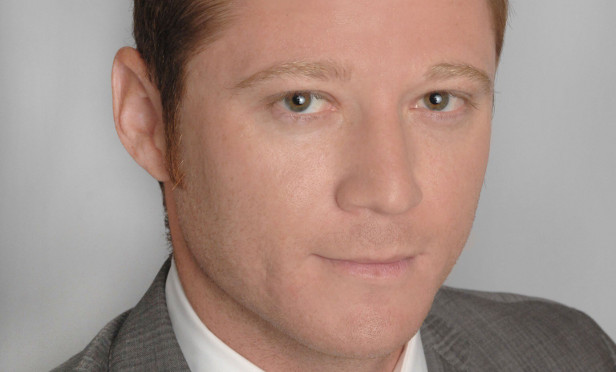
SAN DIEGO—The San Diego market will continue to see strong demand for creative co-working office and flex/R&D spaces, as well as increased investment in class-B and -C office assets well into next year, Continental Funding Group's director Eugene Rutenberg tells GlobeSt.com. Rutenberg recently secured $7 million in bridge financing for a 25,000-square-foot value-add office building in the financial district of Downtown San Diego, which he says is “in the midst of a resurgence. Fueled by tremendous growth in the tech and financial service industries, the central business district is truly the corporate epicenter and financial capital of San Diego, with the largest concentration of high-rise office buildings and jobs in the county. Based on the enormous job growth and innovation in this district, demand for quality office space is on the rise, placing upward pressure on lease rates in this submarket.”
According to a recent CoStar report, Downtown San Diego's office market commanded average rental rates of $29.15 per square foot in Q2, with value-add class-B and -C product seeing the most positive net absorption, indicating strong tenant demand for office space. We spoke exclusively with Rutenberg about trends in the office sector and how mortgage bankers are helping to finance these types of deals.
GlobeSt.com: What trends do you see emerging within the office sector in San Diego?
Rutenberg: The San Diego office market has been gaining traction over the last several years, and investors are taking note. Rising rental rates in submarkets such as Downtown San Diego and Carlsbad indicate strong tenant demand for office space as businesses in the tech and financial service industries continue to migrate to the region.
While many investors are quick to point out the strong demand by tech tenants throughout San Diego County, there continues to be a growing demand from a number of businesses in other industries seeking office and flex-office space as well. The San Diego market is a well-diversified economy, with a wide range of businesses in finance, research and development, health sciences and more.
In recent years, San Diego's entrepreneurial spirit and growth have attracted a large number of start-ups and fostered a culture of innovation, which in turn is driving demand for creative-office spaces. We are seeing the rise of creative co-working and flex-R&D spaces for users across all industries—not just tech. Many investors are buying up class-B and -C product and converting them into creative-office spaces to capitalize on this growing trend and thereby generate enormous value for these types of properties.
As rental growth for class-A office tapers off, we are also beginning to see a shift in investor appetite for value-add office investments that offer a strong opportunity for significant value creation. Our recent financing for the acquisition of a value-add office building in Downtown San Diego's thriving financial district is indicative of this trend.
Overall, the San Diego office market continues to demonstrate robust growth, and we will continue to see strong demand for creative co-working office and flex-R&D spaces, as well as increased investment in class-B and -C office assets this next quarter and well into next year.
GlobeSt.com: How does your firm help to finance deals for class-B and -C product?
Rutenberg: We draw upon an extensive network of more than 500 lenders across all sources, including alternative-investment funds, portfolio banks, life-insurance companies, CMBS and agencies. By leveraging our relationships with capital sources, we're able to finance all product types and match borrower objectives with optimal financing solutions, even for class-B and -C assets. Regardless of the asset class, we custom-tailor our deals to meet each lender's criteria while also catering to the needs of the client.
While Class B and C product offers the strongest opportunity for significant value creation, many lenders remain largely conservative when it comes to financing these deals, even in primary markets such as San Diego. In this case, we were able to identify a lender that would underwrite the desired loan amount, based on our ability to communicate the sponsor's sound business strategy and projected rental growth through smart renovations.
Each deal presents its own unique attributes, and there is no one size fits all when it comes to obtaining financing for a project. It's ultimately our individualized approach and ability to recognize these unique attributes that play a role in the success of structuring these types of deals.
GlobeSt.com: Was there a lot of competitive lender interest for this property?
Rutenberg: While we did receive interest from a number of lenders, the challenge was identifying a lender that would meet the sponsor's specific request. The sponsor would only consider a bridge loan without any personal guarantees and a sub-7% coupon rate. Of the 20 lenders that we pitched, four expressed terms that would meet the sponsor's requirements.
Our strategy was to prepare a proforma outlook over the next 36 months outlining the sponsor's detailed renovation budget and provide a number of rental comps to justify the higher rents that the property would achieve once the sponsor's business plan was executed. In doing so, we were able to demonstrate the integrity of our client's value-add strategy and successfully obtain the necessary financing for the acquisition and renovation of this property. This approach enabled us to identify the right lender and secure the most competitive terms on behalf of our client.
GlobeSt.com: What do you anticipate the financial landscape will look like in Q4 and into 2017?
Rutenberg: The financial landscape in Q4 will remain strong. There will continue to be ample sources of capital, and interest rates, at least for the moment, are holding steady, indicating strong market fundamentals for commercial real estate financing.
There is also a new CMBS bill that is slated to take effect in December of this year, which could potentially impact commercial lending moving forward. Under the Dodd-Frank Wall Street Reform and Consumer Protection Act, this new bill consists of risk-retention rules that would require CMBS lenders to hold onto approximately 5% of the loans they issue, which may increase the cost of capital. This may present an element of uncertainty within the CMBS market and drive increased demand for other capital sources.
That said, we anticipate a healthy and competitive landscape for lending within the real estate sector, and that the CMBS market and other capital sources will remain viable options in Q4 and into 2017.
More than 300 of the industry's leading national investors, REITs, banks, private equity firms, asset management firms and other institutions will join us as we explore the market conditions behind the trends at this year's RealShare National Investment & Finance, scheduled for Oct. 5 and 6 at the Roosevelt Hotel in New York City. Learn more.
SAN DIEGO—The San Diego market will continue to see strong demand for creative co-working office and flex/R&D spaces, as well as increased investment in class-B and -C office assets well into next year, Continental Funding Group's director Eugene Rutenberg tells GlobeSt.com. Rutenberg recently secured $7 million in bridge financing for a 25,000-square-foot value-add office building in the financial district of Downtown San Diego, which he says is “in the midst of a resurgence. Fueled by tremendous growth in the tech and financial service industries, the central business district is truly the corporate epicenter and financial capital of San Diego, with the largest concentration of high-rise office buildings and jobs in the county. Based on the enormous job growth and innovation in this district, demand for quality office space is on the rise, placing upward pressure on lease rates in this submarket.”
According to a recent CoStar report, Downtown San Diego's office market commanded average rental rates of $29.15 per square foot in Q2, with value-add class-B and -C product seeing the most positive net absorption, indicating strong tenant demand for office space. We spoke exclusively with Rutenberg about trends in the office sector and how mortgage bankers are helping to finance these types of deals.
GlobeSt.com: What trends do you see emerging within the office sector in San Diego?
Rutenberg: The San Diego office market has been gaining traction over the last several years, and investors are taking note. Rising rental rates in submarkets such as Downtown San Diego and Carlsbad indicate strong tenant demand for office space as businesses in the tech and financial service industries continue to migrate to the region.
While many investors are quick to point out the strong demand by tech tenants throughout San Diego County, there continues to be a growing demand from a number of businesses in other industries seeking office and flex-office space as well. The San Diego market is a well-diversified economy, with a wide range of businesses in finance, research and development, health sciences and more.
In recent years, San Diego's entrepreneurial spirit and growth have attracted a large number of start-ups and fostered a culture of innovation, which in turn is driving demand for creative-office spaces. We are seeing the rise of creative co-working and flex-R&D spaces for users across all industries—not just tech. Many investors are buying up class-B and -C product and converting them into creative-office spaces to capitalize on this growing trend and thereby generate enormous value for these types of properties.
As rental growth for class-A office tapers off, we are also beginning to see a shift in investor appetite for value-add office investments that offer a strong opportunity for significant value creation. Our recent financing for the acquisition of a value-add office building in Downtown San Diego's thriving financial district is indicative of this trend.
Overall, the San Diego office market continues to demonstrate robust growth, and we will continue to see strong demand for creative co-working office and flex-R&D spaces, as well as increased investment in class-B and -C office assets this next quarter and well into next year.
GlobeSt.com: How does your firm help to finance deals for class-B and -C product?
Rutenberg: We draw upon an extensive network of more than 500 lenders across all sources, including alternative-investment funds, portfolio banks, life-insurance companies, CMBS and agencies. By leveraging our relationships with capital sources, we're able to finance all product types and match borrower objectives with optimal financing solutions, even for class-B and -C assets. Regardless of the asset class, we custom-tailor our deals to meet each lender's criteria while also catering to the needs of the client.
While Class B and C product offers the strongest opportunity for significant value creation, many lenders remain largely conservative when it comes to financing these deals, even in primary markets such as San Diego. In this case, we were able to identify a lender that would underwrite the desired loan amount, based on our ability to communicate the sponsor's sound business strategy and projected rental growth through smart renovations.
Each deal presents its own unique attributes, and there is no one size fits all when it comes to obtaining financing for a project. It's ultimately our individualized approach and ability to recognize these unique attributes that play a role in the success of structuring these types of deals.
GlobeSt.com: Was there a lot of competitive lender interest for this property?
Rutenberg: While we did receive interest from a number of lenders, the challenge was identifying a lender that would meet the sponsor's specific request. The sponsor would only consider a bridge loan without any personal guarantees and a sub-7% coupon rate. Of the 20 lenders that we pitched, four expressed terms that would meet the sponsor's requirements.
Our strategy was to prepare a proforma outlook over the next 36 months outlining the sponsor's detailed renovation budget and provide a number of rental comps to justify the higher rents that the property would achieve once the sponsor's business plan was executed. In doing so, we were able to demonstrate the integrity of our client's value-add strategy and successfully obtain the necessary financing for the acquisition and renovation of this property. This approach enabled us to identify the right lender and secure the most competitive terms on behalf of our client.
GlobeSt.com: What do you anticipate the financial landscape will look like in Q4 and into 2017?
Rutenberg: The financial landscape in Q4 will remain strong. There will continue to be ample sources of capital, and interest rates, at least for the moment, are holding steady, indicating strong market fundamentals for commercial real estate financing.
There is also a new CMBS bill that is slated to take effect in December of this year, which could potentially impact commercial lending moving forward. Under the Dodd-Frank Wall Street Reform and Consumer Protection Act, this new bill consists of risk-retention rules that would require CMBS lenders to hold onto approximately 5% of the loans they issue, which may increase the cost of capital. This may present an element of uncertainty within the CMBS market and drive increased demand for other capital sources.
That said, we anticipate a healthy and competitive landscape for lending within the real estate sector, and that the CMBS market and other capital sources will remain viable options in Q4 and into 2017.
More than 300 of the industry's leading national investors, REITs, banks, private equity firms, asset management firms and other institutions will join us as we explore the market conditions behind the trends at this year's RealShare National Investment & Finance, scheduled for Oct. 5 and 6 at the Roosevelt Hotel in
© Arc, All Rights Reserved. Request academic re-use from www.copyright.com. All other uses, submit a request to TMSalesOperations@arc-network.com. For more information visit Asset & Logo Licensing.