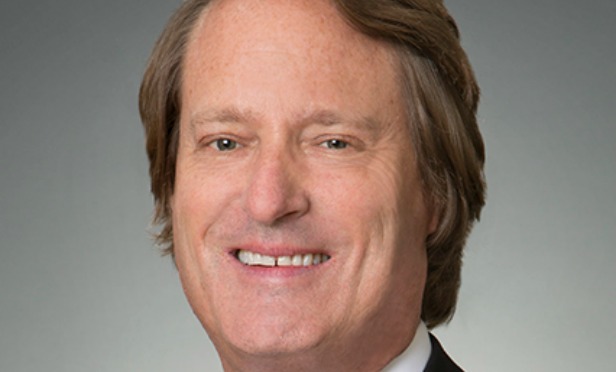
LOS ANGELES—The travel ban on Cuba has been eased, and it is creating great opportunities for hotel developers and investors. Is the Cuban market the new frontier for hoteliers? There are benefits as well as challenges to investing in Cuba, especially because it is such a new market with many gray areas. To find out more about the benefits and challenges of investing in this market, and about the initial interest in the new market, we sat down with David Phelps and Devry Boughner Vorwerk of Akin Gump, for an exclusive interview.
GlobeSt.com: Tell me about the initial interest from developers and investors in the Cuban hospitality market.
David Phelps: There is a great deal of interest in hotel development and investment in Cuba but it is justifiably tempered by the pace by in which the process unfolds. Patience and stamina are required. Doors must be opened and relationships forged. Most importantly the Cuban Governments priorities regarding foreign investment must be met.
Earlier this year Akin Gump launched its Cuba Initiative aimed at helping U.S. companies, including specifically hospitality companies and private equity investors, maneuver through U.S. restrictions to legally enter Cuba and commence the process of forming relationships with potential venture partners and to be on the front lines of hotel site selection. The reaction from clients to the possibility of being on the front lines has been significant.

GlobeSt.com: How does an investor, developer or hotel management company approach the Cuban Government and break into the market?
Devry Boughner Vorwerk: The Cuban government has issued a set of priority investments that investors, developers and managers can review for interest. We understand that this portfolio of priorities will be updated by the government by end of 2016. Interested parties can then review the opportunities and approach the Cuban government accordingly. The government designates Cuban partners to work with at each property or development site. It is critical that investors focus on the priorities set forward by the government in initial conversations. Working with trusted partners in those conversations is important.
GlobeSt.com: What are the challenges of developing in Cuba, and how is it different than developing in another foreign country?
Boughner Vorwerk: Lots of challenges exist to development, not unlike in other countries. The biggest challenge at the moment is that the sanctions are still in place and hinder the pace of movement, so gaining access to materials and capital is a challenge. Also, it is important to conduct due diligence on ownership and titles.
GlobeSt.com: Which hotel owners and operators have you seen break into the market, and which do you expect to follow?
Phelps: Starwood and Marriott have already broken into the Cuban market. Starwood initially signed a deal in March to manage three hotels and became the first US brand to operate a hotel in Cuba since 1959 with the opening of Four Points Havana by Sheraton. They also have deals in place to operate the Hotel Inglaterra and Hotel Santa Isabel under its Luxury Collection brand. Marriott also received approval from OFAC to purse business transactions in Cuba earlier this year.
We have also seen interest from Hilton, Carlson Hospitality Group and Wyndham Worldwide and expect others to pursue opportunities since the demand for Cuba is so high. Once the embargo is lifted, the current supply of hotel rooms on Cuba, and especially in Havana, will be insufficient to satisfy U.S. demand.
GlobeSt.com: What is your advice to hotel owners and operators looking to build or buy in Cuba?
Phelps: It immediately becomes apparent when you get to Cuba that a major capital infusion is required to restore it to its potential. That's where the opportunity lies. The Cuban government is open to bringing in investors in the hospitality sector because capacity is quite low, especially in Havana, to handle even current tourist numbers, not to mention future numbers. Investors should be prepared for joint venture arrangements, and due diligence on property claims is important.
Where an interested investor starts is to go to Cuba on an exploratory visit to meet with government officials, scout out potential properties and meet potential partners. Once some of the groundwork is done, serious conversations need to begin with the government on what is possible. Then there is a need to get approval from the U.S. Department of Treasury, which means preparing and submitting a license application. Above all, we recommend that all interested investors seek counsel in navigating the island and working with U.S. officials to ensure transparency and compliance with U.S. laws and regulations.
LOS ANGELES—The travel ban on Cuba has been eased, and it is creating great opportunities for hotel developers and investors. Is the Cuban market the new frontier for hoteliers? There are benefits as well as challenges to investing in Cuba, especially because it is such a new market with many gray areas. To find out more about the benefits and challenges of investing in this market, and about the initial interest in the new market, we sat down with David Phelps and Devry Boughner Vorwerk of
GlobeSt.com: Tell me about the initial interest from developers and investors in the Cuban hospitality market.
David Phelps: There is a great deal of interest in hotel development and investment in Cuba but it is justifiably tempered by the pace by in which the process unfolds. Patience and stamina are required. Doors must be opened and relationships forged. Most importantly the Cuban Governments priorities regarding foreign investment must be met.
Earlier this year
GlobeSt.com: How does an investor, developer or hotel management company approach the Cuban Government and break into the market?
Devry Boughner Vorwerk: The Cuban government has issued a set of priority investments that investors, developers and managers can review for interest. We understand that this portfolio of priorities will be updated by the government by end of 2016. Interested parties can then review the opportunities and approach the Cuban government accordingly. The government designates Cuban partners to work with at each property or development site. It is critical that investors focus on the priorities set forward by the government in initial conversations. Working with trusted partners in those conversations is important.
GlobeSt.com: What are the challenges of developing in Cuba, and how is it different than developing in another foreign country?
Boughner Vorwerk: Lots of challenges exist to development, not unlike in other countries. The biggest challenge at the moment is that the sanctions are still in place and hinder the pace of movement, so gaining access to materials and capital is a challenge. Also, it is important to conduct due diligence on ownership and titles.
GlobeSt.com: Which hotel owners and operators have you seen break into the market, and which do you expect to follow?
Phelps: Starwood and Marriott have already broken into the Cuban market. Starwood initially signed a deal in March to manage three hotels and became the first US brand to operate a hotel in Cuba since 1959 with the opening of Four Points Havana by Sheraton. They also have deals in place to operate the Hotel Inglaterra and Hotel Santa Isabel under its Luxury Collection brand. Marriott also received approval from OFAC to purse business transactions in Cuba earlier this year.
We have also seen interest from Hilton, Carlson Hospitality Group and
GlobeSt.com: What is your advice to hotel owners and operators looking to build or buy in Cuba?
Phelps: It immediately becomes apparent when you get to Cuba that a major capital infusion is required to restore it to its potential. That's where the opportunity lies. The Cuban government is open to bringing in investors in the hospitality sector because capacity is quite low, especially in Havana, to handle even current tourist numbers, not to mention future numbers. Investors should be prepared for joint venture arrangements, and due diligence on property claims is important.
Where an interested investor starts is to go to Cuba on an exploratory visit to meet with government officials, scout out potential properties and meet potential partners. Once some of the groundwork is done, serious conversations need to begin with the government on what is possible. Then there is a need to get approval from the U.S. Department of Treasury, which means preparing and submitting a license application. Above all, we recommend that all interested investors seek counsel in navigating the island and working with U.S. officials to ensure transparency and compliance with U.S. laws and regulations.
© Arc, All Rights Reserved. Request academic re-use from www.copyright.com. All other uses, submit a request to TMSalesOperations@arc-network.com. For more information visit Asset & Logo Licensing.