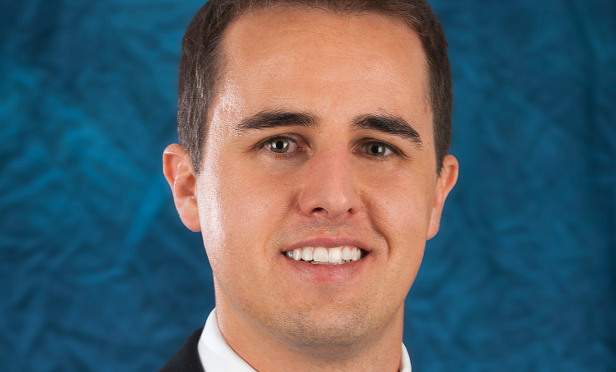
SAN DIEGO—San Diego has a very strong and stable life-science economy that has been built over the past 30 years and will continue to grow for the next 30 years, JLL's SVP Grant Schoneman tells GlobeSt.com. A recent report from the firm reveals that the San Diego market continues to see demand for life-sciences facilities, with more than 1.4 million square feet added in the past 12 months and 1.1 million square feet under construction.
The report also shows that the Torrey Pines vacancy rate sits at 3.3%, which is by far the lowest vacancy rate among the life-sciences submarkets in San Diego. Sorrento Mesa has a moderate amount of vacancy at 7% for the submarket, which is down 1.5 percentage points from the previous year. UTC has the highest vacancy rate among the San Diego life-sciences submarkets at 18.7%, with a large portion coming from new additions to the inventory. Torrey Pines' low vacancy, most in-demand location and highest rental rates among the life-sciences submarkets has led to a number of projects being upgraded. Also, North County continues to stand out as a choice location for San Diego County life-science manufacturers, with companies like Gilead Sciences, MilliporeSigma (formerly SAFC) and DNAe contributing to the submarket's growth.
We spoke exclusively with Schoneman about what could possibly derail this market's strength in life sciences and what's next for San Diego life-sciences real estate.
GlobeSt.com: How much longer can this San Diego's life-sciences strength continue?
Schoneman: I don't see why it would stop. San Diego has a very strong and stable life-science economy that has been built over the past 30 years and will continue to grow for the next 30 years. The stable base of large research institutes and biotech and pharmaceutical companies, coupled together with a number of high-growth start-up firms, San Diego is well positioned to remain a key life science cluster for many years to come. Most recently, San Diego has become the nation's premier genomics cluster. The city is home to companies like Illumina and Human Longevity, who are both pioneers and market leaders in the genomics and precision-medicine sector. Additionally, there are a number of large pharmaceutical companies that have a major R&D presence in San Diego, including Eli Lilly, Celgene and Takeda, to name a few. The breadth of talent and entrepreneurism, combined with a uniquely collaborative environment, is what makes San Diego an incredibly strong area for biotechnology companies, research institutes and large pharmaceuticals.
GlobeSt.com: Will life sciences always be a part of the San Diego office/R&D dynamic, or is the market grabbing its day in the sun while it can?
Schoneman: Yes, I think that life sciences will continue to be a part of the San Diego office/R&D dynamic. The life-sciences industry is one of the key industry drivers in San Diego and continues to see ample growth. In 2015, employment within the life-science sector grew at a faster rate than the total private sector, expanding by 5.6% compared to the total private sector growth of 2.7%. This growth in the life-science employee base has driven local landlords to actively reposition existing office and industrial buildings into laboratory facilities. San Diego is always ranked in the top tier of the nation's life-science clusters, and the city is expected to remain at that level due to the strong intellectual capital and highly experienced entrepreneurs that continue to create and grow new companies and further expand the reach the region's biotech sector.
GlobeSt.com: What's the next evolution of life-sciences real estate in San Diego?
Schoneman: As recent redevelopment opportunities have proved to be successful and are getting leased up, the redevelopment trend of turning office buildings into laboratory space will continue in the San Diego marketplace. Additionally, as older, more antiquated laboratory buildings become available over the next few years—which is slated to occur because companies within those buildings are electing to move into new facilities—the market will see the re-development of this older space into new class-A facilities. An emerging trend, which was first introduced to the market in 2016 by local developer Phase 3 Real Estate Partners, is converting high-rise office buildings into new lab facilities. This is something that has never been done here in San Diego, but is proving to be highly successful after the Phase 3 group recently completed construction of a seven-story building in Campus Point. With land becoming more scarce in the biotech cluster, look for landlords to try and maximize entitlements and densify the land by going vertical.
SAN DIEGO—San Diego has a very strong and stable life-science economy that has been built over the past 30 years and will continue to grow for the next 30 years, JLL's SVP Grant Schoneman tells GlobeSt.com. A recent report from the firm reveals that the San Diego market continues to see demand for life-sciences facilities, with more than 1.4 million square feet added in the past 12 months and 1.1 million square feet under construction.
The report also shows that the Torrey Pines vacancy rate sits at 3.3%, which is by far the lowest vacancy rate among the life-sciences submarkets in San Diego. Sorrento Mesa has a moderate amount of vacancy at 7% for the submarket, which is down 1.5 percentage points from the previous year. UTC has the highest vacancy rate among the San Diego life-sciences submarkets at 18.7%, with a large portion coming from new additions to the inventory. Torrey Pines' low vacancy, most in-demand location and highest rental rates among the life-sciences submarkets has led to a number of projects being upgraded. Also, North County continues to stand out as a choice location for San Diego County life-science manufacturers, with companies like Gilead Sciences, MilliporeSigma (formerly SAFC) and DNAe contributing to the submarket's growth.
We spoke exclusively with Schoneman about what could possibly derail this market's strength in life sciences and what's next for San Diego life-sciences real estate.
GlobeSt.com: How much longer can this San Diego's life-sciences strength continue?
Schoneman: I don't see why it would stop. San Diego has a very strong and stable life-science economy that has been built over the past 30 years and will continue to grow for the next 30 years. The stable base of large research institutes and biotech and pharmaceutical companies, coupled together with a number of high-growth start-up firms, San Diego is well positioned to remain a key life science cluster for many years to come. Most recently, San Diego has become the nation's premier genomics cluster. The city is home to companies like Illumina and Human Longevity, who are both pioneers and market leaders in the genomics and precision-medicine sector. Additionally, there are a number of large pharmaceutical companies that have a major R&D presence in San Diego, including Eli Lilly, Celgene and Takeda, to name a few. The breadth of talent and entrepreneurism, combined with a uniquely collaborative environment, is what makes San Diego an incredibly strong area for biotechnology companies, research institutes and large pharmaceuticals.
GlobeSt.com: Will life sciences always be a part of the San Diego office/R&D dynamic, or is the market grabbing its day in the sun while it can?
Schoneman: Yes, I think that life sciences will continue to be a part of the San Diego office/R&D dynamic. The life-sciences industry is one of the key industry drivers in San Diego and continues to see ample growth. In 2015, employment within the life-science sector grew at a faster rate than the total private sector, expanding by 5.6% compared to the total private sector growth of 2.7%. This growth in the life-science employee base has driven local landlords to actively reposition existing office and industrial buildings into laboratory facilities. San Diego is always ranked in the top tier of the nation's life-science clusters, and the city is expected to remain at that level due to the strong intellectual capital and highly experienced entrepreneurs that continue to create and grow new companies and further expand the reach the region's biotech sector.
GlobeSt.com: What's the next evolution of life-sciences real estate in San Diego?
Schoneman: As recent redevelopment opportunities have proved to be successful and are getting leased up, the redevelopment trend of turning office buildings into laboratory space will continue in the San Diego marketplace. Additionally, as older, more antiquated laboratory buildings become available over the next few years—which is slated to occur because companies within those buildings are electing to move into new facilities—the market will see the re-development of this older space into new class-A facilities. An emerging trend, which was first introduced to the market in 2016 by local developer Phase 3 Real Estate Partners, is converting high-rise office buildings into new lab facilities. This is something that has never been done here in San Diego, but is proving to be highly successful after the Phase 3 group recently completed construction of a seven-story building in Campus Point. With land becoming more scarce in the biotech cluster, look for landlords to try and maximize entitlements and densify the land by going vertical.
© Arc, All Rights Reserved. Request academic re-use from www.copyright.com. All other uses, submit a request to TMSalesOperations@arc-network.com. For more information visit Asset & Logo Licensing.