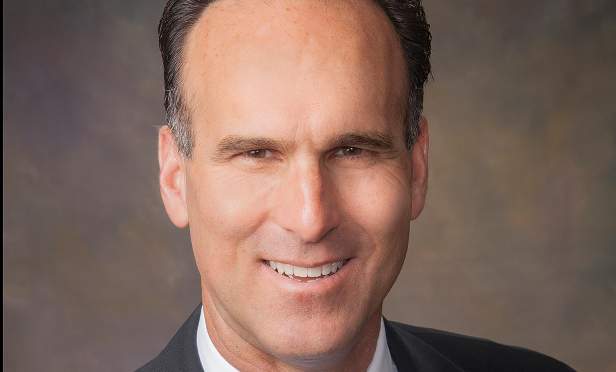
NEWPORT BEACH, CA—With online purchases growing stronger, customers returning merchandise to the warehouse—known as reverse logistics—is a growing phenomenon. A recent report from CBRE shows that in Southern California specifically, the need for reverse logistics will require companies to expand their logistics footprint to handle returns. We spoke exclusively with CBRE's managing director of Orange County operations Kurt Strasmann about how reverse logistics will impact industrial real estate as it gains strength.
GlobeSt.com: Has reverse logistics become an issue that industrial developers and users build into their real estate plans?
Strasmann: Yes for both—certainly on the user side, where there are stats of certain product types with up to 30% of the products sold being returned (apparel is a great example). Users are getting much more experienced in handling returns and the appropriate internal layout designs to accommodate this portion of the business. On the development end, we have not seen much difference in the design of facilities for this use within a building specifically, but certainly for the entire e-commerce/fulfillment concept (clear height, truck courts, power, location, etc.).
GlobeSt.com: What changes will developers and users need to make in order to accommodate the growth of reverse logistics?
Strasmann: Users want to be closer to the customer for all sorts of reasons (reverse logistics is one of them). I believe this growing segment within the e-commerce/fulfillment and supply-chain process is another boom for industrial owners. We will need more space in the infill areas. We already have exceptionally tight markets in most of the major metropolitan areas; this will only exasperate the situation for users attempting to find space. With a 1% vacancy for quality product, prices are going to continue to rise.
GlobeSt.com: Does the growth of reverse logistics create new uses for existing real estate?
Strasmann: Yes—for the infill areas with a limited selection of space, class-B and -C product will benefit tremendously because it will be the next best use. As these buildings get absorbed, most likely the users will attempt to modify and improve the asset to accommodate their uses. Many of these buildings are old and obsolete. In order for users to operate in them, modifications to the building will need to be made to improve the operational efficiency as best as possible.
GlobeSt.com: What else should our readers take away from your research on this topic?
Strasmann: It's all good news for owners of industrial real estate.
NEWPORT BEACH, CA—With online purchases growing stronger, customers returning merchandise to the warehouse—known as reverse logistics—is a growing phenomenon. A recent report from CBRE shows that in Southern California specifically, the need for reverse logistics will require companies to expand their logistics footprint to handle returns. We spoke exclusively with CBRE's managing director of Orange County operations Kurt Strasmann about how reverse logistics will impact industrial real estate as it gains strength.
GlobeSt.com: Has reverse logistics become an issue that industrial developers and users build into their real estate plans?
Strasmann: Yes for both—certainly on the user side, where there are stats of certain product types with up to 30% of the products sold being returned (apparel is a great example). Users are getting much more experienced in handling returns and the appropriate internal layout designs to accommodate this portion of the business. On the development end, we have not seen much difference in the design of facilities for this use within a building specifically, but certainly for the entire e-commerce/fulfillment concept (clear height, truck courts, power, location, etc.).
GlobeSt.com: What changes will developers and users need to make in order to accommodate the growth of reverse logistics?
Strasmann: Users want to be closer to the customer for all sorts of reasons (reverse logistics is one of them). I believe this growing segment within the e-commerce/fulfillment and supply-chain process is another boom for industrial owners. We will need more space in the infill areas. We already have exceptionally tight markets in most of the major metropolitan areas; this will only exasperate the situation for users attempting to find space. With a 1% vacancy for quality product, prices are going to continue to rise.
GlobeSt.com: Does the growth of reverse logistics create new uses for existing real estate?
Strasmann: Yes—for the infill areas with a limited selection of space, class-B and -C product will benefit tremendously because it will be the next best use. As these buildings get absorbed, most likely the users will attempt to modify and improve the asset to accommodate their uses. Many of these buildings are old and obsolete. In order for users to operate in them, modifications to the building will need to be made to improve the operational efficiency as best as possible.
GlobeSt.com: What else should our readers take away from your research on this topic?
Strasmann: It's all good news for owners of industrial real estate.
© Arc, All Rights Reserved. Request academic re-use from www.copyright.com. All other uses, submit a request to TMSalesOperations@arc-network.com. For more information visit Asset & Logo Licensing.