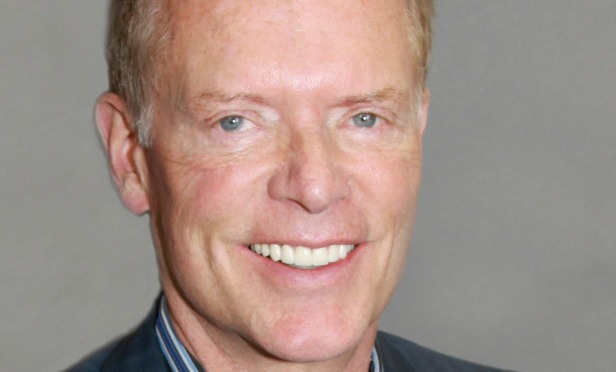
LOS ANGELES—The capital markets had a rough start to the year, with the near collapse of CMBS and a tight pull back in construction lending. While the market have rebounded, capital markets experts are already looking ahead to 2017, including Steve Fifield, CEO of Fifield Cos. and co-founder of Century West Partners. Fifield predicts rising costs, decreases in construction lending and steady cap rates. We sat down with Fifield for an exclusive interview and found out his top predictions for 2017.
Construction costs will continue to rise.
In most major markets, construction costs are continuing to rise. Factors include an uptick in raw materials costs and increasingly stringent regulations which up the cost of those building housing. Additionally, our industry is continuing to feel the effects of labor shortages. Those shortages both increase costs and affect the ability to deliver new multifamily projects on time as planned.
Land costs are escalating.
More and more developers are flooding the multifamily marketplace. The recent hot five-year run has led to the pursuit of deals by more and more players, which is driving land costs to escalate. We believe this escalation will grow at 10% – 20% per year. And with these higher land and construction costs, most new deals are falling from 6% untrended free and clear returns to a 5% return on investment.
There are headwinds in the construction lending arena.
Traditional lenders, including most banks, are decreasing construction loans to approximately 55 – 60% of cost. Other banks are simply refusing to lend at all. Basel III and more regulator pressure are discouraging banks from increasing lending on new construction.
Capital is going to move mainly into undersupplied areas.
With land and construction costs rising, alongside reduced construction lending, we are going to see capital flow mainly into underserved areas where demand is highest and returns are ensured. We expect multifamily construction starts to drop 50% to 75% in all areas with exception of these underserved areas.
Cap rates should hold steady.
Even with slight interest rate increases expected to occur in 2017, cap rates likely won't budge much. Smart investors know that while we will likely see record deliveries in many markets in 2017 and 2018, we will also see a dramatic drop off in those deliveries in 2019 and beyond. Flattening rents and slower per project absorption in 2017 and 2018 will be followed by robust rent and absorption increases in 2019 and beyond. This will essentially keep cap rates low.
Steady gains in the US economy have resulted in net positives for the multifamily sector—will this wave continue for the foreseeable future? What's driving development and capital flows? Join us at RealShare Apartments on October 19 & 20 for impactful information from the leaders in the National multifamily space. Learn more.
LOS ANGELES—The capital markets had a rough start to the year, with the near collapse of CMBS and a tight pull back in construction lending. While the market have rebounded, capital markets experts are already looking ahead to 2017, including Steve Fifield, CEO of Fifield Cos. and co-founder of Century West Partners. Fifield predicts rising costs, decreases in construction lending and steady cap rates. We sat down with Fifield for an exclusive interview and found out his top predictions for 2017.
Construction costs will continue to rise.
In most major markets, construction costs are continuing to rise. Factors include an uptick in raw materials costs and increasingly stringent regulations which up the cost of those building housing. Additionally, our industry is continuing to feel the effects of labor shortages. Those shortages both increase costs and affect the ability to deliver new multifamily projects on time as planned.
Land costs are escalating.
More and more developers are flooding the multifamily marketplace. The recent hot five-year run has led to the pursuit of deals by more and more players, which is driving land costs to escalate. We believe this escalation will grow at 10% – 20% per year. And with these higher land and construction costs, most new deals are falling from 6% untrended free and clear returns to a 5% return on investment.
There are headwinds in the construction lending arena.
Traditional lenders, including most banks, are decreasing construction loans to approximately 55 – 60% of cost. Other banks are simply refusing to lend at all. Basel III and more regulator pressure are discouraging banks from increasing lending on new construction.
Capital is going to move mainly into undersupplied areas.
With land and construction costs rising, alongside reduced construction lending, we are going to see capital flow mainly into underserved areas where demand is highest and returns are ensured. We expect multifamily construction starts to drop 50% to 75% in all areas with exception of these underserved areas.
Cap rates should hold steady.
Even with slight interest rate increases expected to occur in 2017, cap rates likely won't budge much. Smart investors know that while we will likely see record deliveries in many markets in 2017 and 2018, we will also see a dramatic drop off in those deliveries in 2019 and beyond. Flattening rents and slower per project absorption in 2017 and 2018 will be followed by robust rent and absorption increases in 2019 and beyond. This will essentially keep cap rates low.
Steady gains in the US economy have resulted in net positives for the multifamily sector—will this wave continue for the foreseeable future? What's driving development and capital flows? Join us at RealShare Apartments on October 19 & 20 for impactful information from the leaders in the National multifamily space. Learn more.
© Arc, All Rights Reserved. Request academic re-use from www.copyright.com. All other uses, submit a request to TMSalesOperations@arc-network.com. For more information visit Asset & Logo Licensing.