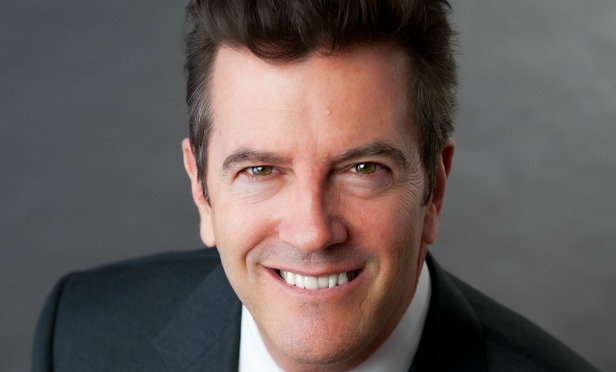
LOS ANGELES—Have property valuations finally peaked? It was the question on our mind when we sat down with Jay Maddox, principal at Avison Young, for an exclusive interview. Property values have steadily increased since the onset of the last downturn, and cap rates have continued to compress lower and lower. In fact, experts have repeatedly called time, only to see cap rates continue to inch downward. According to Maddox, however, the upward trend may be slowing. He tells GlobeSt.com that some markets are seeing cap rates rise and some softening investor demand. During the interview, we also get his thoughts on rising prices and what to expect in the coming months.
GlobeSt.com: In general, commercial real estate values have been rising since the last recession, what are your thoughts on this trend?
Jay Maddox: Commercial property values have risen steadily since the Great Recession, and for many property types, they now equal or exceed pre-crash levels. However, this does not mean we are in a “bubble.” Unlike the value escalation that preceded the Great Recession, this growth has not been fueled by excessive leverage, financial engineering or speculation. One thing to note here is that despite the increase in values, cap rate spreads remain historically attractive relative to the bond market. That means that investors are getting much better risk adjusted returns than 2007 and 2008 before the bubble burst. Of course, that can change if interest rates continue to trend upwards.
GlobeSt.com: What are the main reasons for the increase in CRE valuations?
Maddox: I believe there are three primary reasons. First, we have seen an extended period of historically low interest rates, enabling investors to achieve positive leverage at very low cap rates. Second, we saw improvement in underlying demand fundamentals as the economy has recovered – unemployment has steadily declined and consumer demand has rebounded, with the private sector deleveraging somewhat. And, at long last we are starting to see some meaningful wage growth. These factors have combined to trigger significant rent growth in many markets. Third, there has been continued investor demand particularly from institutions and foreign investors. This is driven to some extent by a flight to quality and a search for yield. With historically low interest rates and a relatively solid U.S. economy, income-producing properties have become the logical investment alternative, particularly with trophy properties in gateway markets.
GlobeSt.com: Do you think property valuations have peaked?
Maddox: There are signs that valuations are peaking. We've seen cap rates back up a bit in some markets, and a definite softening of investor demand for development deals in particular. For example, despite the robust apartment market in Los Angeles, we've recently seen a number of entitled land deals fall out because of the inability to attract capital due to increasingly conservative underwriting being deployed by lenders and investors, who are being much more selective than a year ago. While there does not appear to be any significant overbuilding, deal underwriting is tightening due to concerns that current rent growth and cap rates may not be sustainable, and construction costs are moving up – all of which may contribute to further softening. Lastly, we may also see a slowdown in flight capital from China as its government has really clamped down. Other sovereign nations have continued to invest in U.S. real estate, but it's unlikely they could replace the lost demand if capital flows from China dry up. This would put a damper on price increases especially for trophy properties in gateway markets.
GlobeSt.com: What else should we know about property valuations and the coming months?
Maddox: The biggest risk factor for CRE valuations would be an increase in interest rates. If that trend continues and rent growth slows, it would put a damper on valuations, and at some point cap rates will begin rising. The good news is that a sustained increase in long-term rates does not seem to be in the cards due to the general weakness of the economic recovery. We should also keep an eye on the impact of new protectionist trade policies that may be enacted after the election. While these policies sound good to many voters, they will likely trigger trade wars with China, Mexico and others that would result in substantially reduced foreign demand for U.S. goods, and therefore significant job loss throughout the nation. Ultimately this could hasten a slowdown in our economy that is already forecasted by many economists.
LOS ANGELES—Have property valuations finally peaked? It was the question on our mind when we sat down with Jay Maddox, principal at Avison Young, for an exclusive interview. Property values have steadily increased since the onset of the last downturn, and cap rates have continued to compress lower and lower. In fact, experts have repeatedly called time, only to see cap rates continue to inch downward. According to Maddox, however, the upward trend may be slowing. He tells GlobeSt.com that some markets are seeing cap rates rise and some softening investor demand. During the interview, we also get his thoughts on rising prices and what to expect in the coming months.
GlobeSt.com: In general, commercial real estate values have been rising since the last recession, what are your thoughts on this trend?
Jay Maddox: Commercial property values have risen steadily since the Great Recession, and for many property types, they now equal or exceed pre-crash levels. However, this does not mean we are in a “bubble.” Unlike the value escalation that preceded the Great Recession, this growth has not been fueled by excessive leverage, financial engineering or speculation. One thing to note here is that despite the increase in values, cap rate spreads remain historically attractive relative to the bond market. That means that investors are getting much better risk adjusted returns than 2007 and 2008 before the bubble burst. Of course, that can change if interest rates continue to trend upwards.
GlobeSt.com: What are the main reasons for the increase in CRE valuations?
Maddox: I believe there are three primary reasons. First, we have seen an extended period of historically low interest rates, enabling investors to achieve positive leverage at very low cap rates. Second, we saw improvement in underlying demand fundamentals as the economy has recovered – unemployment has steadily declined and consumer demand has rebounded, with the private sector deleveraging somewhat. And, at long last we are starting to see some meaningful wage growth. These factors have combined to trigger significant rent growth in many markets. Third, there has been continued investor demand particularly from institutions and foreign investors. This is driven to some extent by a flight to quality and a search for yield. With historically low interest rates and a relatively solid U.S. economy, income-producing properties have become the logical investment alternative, particularly with trophy properties in gateway markets.
GlobeSt.com: Do you think property valuations have peaked?
Maddox: There are signs that valuations are peaking. We've seen cap rates back up a bit in some markets, and a definite softening of investor demand for development deals in particular. For example, despite the robust apartment market in Los Angeles, we've recently seen a number of entitled land deals fall out because of the inability to attract capital due to increasingly conservative underwriting being deployed by lenders and investors, who are being much more selective than a year ago. While there does not appear to be any significant overbuilding, deal underwriting is tightening due to concerns that current rent growth and cap rates may not be sustainable, and construction costs are moving up – all of which may contribute to further softening. Lastly, we may also see a slowdown in flight capital from China as its government has really clamped down. Other sovereign nations have continued to invest in U.S. real estate, but it's unlikely they could replace the lost demand if capital flows from China dry up. This would put a damper on price increases especially for trophy properties in gateway markets.
GlobeSt.com: What else should we know about property valuations and the coming months?
Maddox: The biggest risk factor for CRE valuations would be an increase in interest rates. If that trend continues and rent growth slows, it would put a damper on valuations, and at some point cap rates will begin rising. The good news is that a sustained increase in long-term rates does not seem to be in the cards due to the general weakness of the economic recovery. We should also keep an eye on the impact of new protectionist trade policies that may be enacted after the election. While these policies sound good to many voters, they will likely trigger trade wars with China, Mexico and others that would result in substantially reduced foreign demand for U.S. goods, and therefore significant job loss throughout the nation. Ultimately this could hasten a slowdown in our economy that is already forecasted by many economists.
© Arc, All Rights Reserved. Request academic re-use from www.copyright.com. All other uses, submit a request to TMSalesOperations@arc-network.com. For more information visit Asset & Logo Licensing.