HOUSTON—While the Houston industrial market remained stable through the third quarter, weakness is manifesting due to the energy downturn–everywhere that is, except for southeast Houston. The second largest submarket by inventory, the Southeast continues to outperform with significant leasing activity and strong net absorption through the third quarter, according to a JLL exclusive report on the Southeast industrial market.
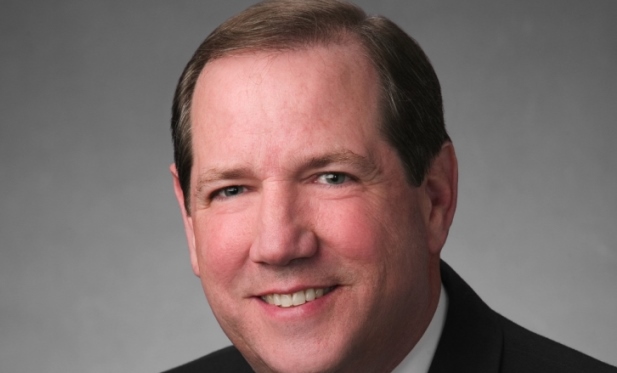
“Our MSA population has expanded to more than 6 million people spread out over an area that covers almost 11,000 square miles of land,” John Talhelm, senior vice president in the industrial services group of JLL tells GlobeSt.com. “As a result, companies that provide household goods, construction materials, food and beverage, and medical supplies are expanding to their existing warehouse facilities in and around Houston. Many of the companies expanding in the Southeast submarket are also directly related to downstream product manufacturing taking place on the Houston Ship Channel. Low feedstock prices are fueling plant expansions to produce resins, lubricants, cleaning products and products for the automotive and manufacturing industries. These are typically stored in warehouses in and around the petrochemical plants for both domestic consumption and export to the world market.”
JLL projects that the Southeast will continue to benefit from its proximity to the Ship Channel and nearby petrochemical boom, which provide a strategic advantage. And, landlord-favorable conditions are likely here to stay into 2017. The submarket dominated new leases signed with 1.3 million square feet of completed deals, accounting for 40.7% of Houston's total volume.
“Activity in the southeast industrial submarket continues at a strong pace due in part to the expansion of Midstream and Downstream petrochemical companies and facilities that are located on and around the Houston Ship Channel,” Talhelm continues. “In addition, continued population growth in the Houston Metropolitan area coupled with a strong residential market translates into needs for additional services and products to support these new communities.”
There are some key points about how the southeast is outperforming other industrial submarkets. Vacancy decreased to 4.4% in the third quarter, asking rents are up 4.5% from mid-year rates despite a weak economy, there is 4.4 million square feet of construction pipeline which makes up 60.8% of the total market activity, and that construction pipeline is 65.1% preleased.
“In addition to direct distribution to our MSA, distributors are now starting to look at supply chains that will service Corpus Christi, San Antonio, Austin, College Station, Waco and Beaumont from the Houston area in order to comply with restrictions on drive times for the trucking industry. With Houston's excellent transportation infrastructure, these distributors can locate in the Southeast submarket close to the container terminals and still address distribution to the cities mentioned previously,” Talhelm concludes. “Houston's diverse economy coupled with a growing population will continue to provide opportunities to the industrial sector of our economy in order to serve our metropolitan area as well as those cities located within a 4.5 hour drive of Houston.”
HOUSTON—While the Houston industrial market remained stable through the third quarter, weakness is manifesting due to the energy downturn–everywhere that is, except for southeast Houston. The second largest submarket by inventory, the Southeast continues to outperform with significant leasing activity and strong net absorption through the third quarter, according to a JLL exclusive report on the Southeast industrial market.
“Our MSA population has expanded to more than 6 million people spread out over an area that covers almost 11,000 square miles of land,” John Talhelm, senior vice president in the industrial services group of JLL tells GlobeSt.com. “As a result, companies that provide household goods, construction materials, food and beverage, and medical supplies are expanding to their existing warehouse facilities in and around Houston. Many of the companies expanding in the Southeast submarket are also directly related to downstream product manufacturing taking place on the Houston Ship Channel. Low feedstock prices are fueling plant expansions to produce resins, lubricants, cleaning products and products for the automotive and manufacturing industries. These are typically stored in warehouses in and around the petrochemical plants for both domestic consumption and export to the world market.”
JLL projects that the Southeast will continue to benefit from its proximity to the Ship Channel and nearby petrochemical boom, which provide a strategic advantage. And, landlord-favorable conditions are likely here to stay into 2017. The submarket dominated new leases signed with 1.3 million square feet of completed deals, accounting for 40.7% of Houston's total volume.
“Activity in the southeast industrial submarket continues at a strong pace due in part to the expansion of Midstream and Downstream petrochemical companies and facilities that are located on and around the Houston Ship Channel,” Talhelm continues. “In addition, continued population growth in the Houston Metropolitan area coupled with a strong residential market translates into needs for additional services and products to support these new communities.”
There are some key points about how the southeast is outperforming other industrial submarkets. Vacancy decreased to 4.4% in the third quarter, asking rents are up 4.5% from mid-year rates despite a weak economy, there is 4.4 million square feet of construction pipeline which makes up 60.8% of the total market activity, and that construction pipeline is 65.1% preleased.
“In addition to direct distribution to our MSA, distributors are now starting to look at supply chains that will service Corpus Christi, San Antonio, Austin, College Station, Waco and Beaumont from the Houston area in order to comply with restrictions on drive times for the trucking industry. With Houston's excellent transportation infrastructure, these distributors can locate in the Southeast submarket close to the container terminals and still address distribution to the cities mentioned previously,” Talhelm concludes. “Houston's diverse economy coupled with a growing population will continue to provide opportunities to the industrial sector of our economy in order to serve our metropolitan area as well as those cities located within a 4.5 hour drive of Houston.”
© Arc, All Rights Reserved. Request academic re-use from www.copyright.com. All other uses, submit a request to TMSalesOperations@arc-network.com. For more information visit Asset & Logo Licensing.