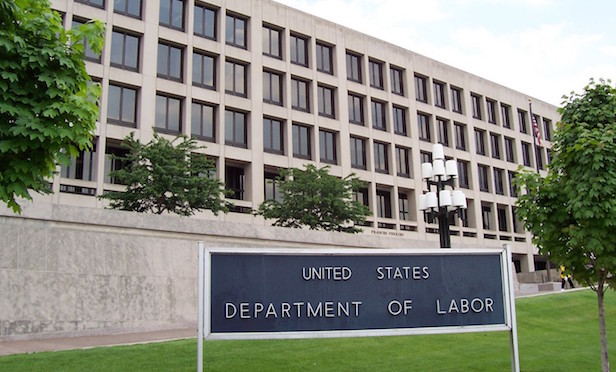
WASHINGTON, DC—An increase in short-term interest rates looks increasingly likely when the Federal Reserve convenes on Dec. 13 and 14, following the latest national employment report from the US Department of Labor's Bureau of Labor Statistics. November's job numbers for non-farm payrolls brought the unemployment rate down 0.3 percentage points to 4.6%, the lowest in nine years.
With employment gains of 178,000 across both the public and private sectors, November's hiring picture continued a trend of slower growth this year compared to 2015, when it averaged 229,000 jobs per month. However, it represented a rebound from October, which posted an increase of 142,000 after being downwardly revised from the figure of 161,000 originally reported.
Calling Friday's jobs report “unremarkable,” Fannie Mae chief economist Doug Duncan says the report suggests that “a small Federal Reserve rate hike will occur—as the market expected—in December. He adds that “some attention will be paid to the drop in the unemployment rate” to 4.6%, but adds that the decline was driven by “the combination of jobs added and a decline in workforce participation, the latter of which was disappointing.”
November saw broad-based employment growth in professional services, and state government employment made “a healthy contribution,” Duncan says. “Manufacturing employment, currently featured in many headlines, showed a fourth consecutive month of minor employment declines, but housing more than offset that with a third consecutive month of healthy job growth.
“Housing supply growth continues to grind upward adding to economic growth,” adds Duncan. “In sum, there's no reason to believe that the pace of future rate hikes will pick up based on this release.”
A Wall Street Journal analysis on Friday buttresses Duncan's take on the outlook for future rate increases. The WSJ notes that while the report “almost certainly seals an increase” when the Fed meets later this month, “the picture is murkier” looking into 2017.
One possible result of the latest BLS report is that it would galvanize Fed officials who have been calling for steeper rate increases to keep the economy from growing too fast. Conversely, though, the WSJ notes that Fed chairman Janet Yellen doesn't appear overly concerned about an overheated economy at this point.
WASHINGTON, DC—An increase in short-term interest rates looks increasingly likely when the Federal Reserve convenes on Dec. 13 and 14, following the latest national employment report from the US Department of Labor's Bureau of Labor Statistics. November's job numbers for non-farm payrolls brought the unemployment rate down 0.3 percentage points to 4.6%, the lowest in nine years.
With employment gains of 178,000 across both the public and private sectors, November's hiring picture continued a trend of slower growth this year compared to 2015, when it averaged 229,000 jobs per month. However, it represented a rebound from October, which posted an increase of 142,000 after being downwardly revised from the figure of 161,000 originally reported.
Calling Friday's jobs report “unremarkable,”
November saw broad-based employment growth in professional services, and state government employment made “a healthy contribution,” Duncan says. “Manufacturing employment, currently featured in many headlines, showed a fourth consecutive month of minor employment declines, but housing more than offset that with a third consecutive month of healthy job growth.
“Housing supply growth continues to grind upward adding to economic growth,” adds Duncan. “In sum, there's no reason to believe that the pace of future rate hikes will pick up based on this release.”
A Wall Street Journal analysis on Friday buttresses Duncan's take on the outlook for future rate increases. The WSJ notes that while the report “almost certainly seals an increase” when the Fed meets later this month, “the picture is murkier” looking into 2017.
One possible result of the latest BLS report is that it would galvanize Fed officials who have been calling for steeper rate increases to keep the economy from growing too fast. Conversely, though, the WSJ notes that Fed chairman Janet Yellen doesn't appear overly concerned about an overheated economy at this point.
© Arc, All Rights Reserved. Request academic re-use from www.copyright.com. All other uses, submit a request to TMSalesOperations@arc-network.com. For more information visit Asset & Logo Licensing.