LOS ANGELES—Los Angeles is at odds over the city's growth, and opponents are using different tools to fight back. The recent Build Better L.A. ballot measure, which passed in November and will require developers to use union labor and reserve a portion of units for affordable housing on all exempted projects, is one example, while increased CEQA litigation is another that is growing in popularity. The latter is intended stop or at least delay unwanted developments, and it is becoming a major challenge for some developers.
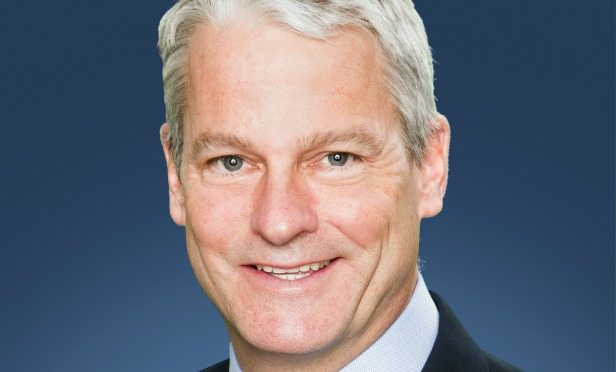
“CEQA litigation remains an ongoing challenge for all projects because we have very stringent requirements in terms of public disclosure and environmental documentation, all of which is well intended,” David Waite, a partner at Cox, Castle & Nicholson, tells GlobeSt.com. “However, it has become the basis and fodder for community opposition that is seeking to oppose or delay a project that for whatever reason is not viewed as beneficial for the community.”
One way that developers are trying to avoid frivolous litigation through CEQA is to get a full Environmental Impact Report, rather than the shorter Mitigated Negative Declaration; however, that isn't necessarily a deterrent because many of these lawsuits are filed by community members that are looking for any reason to stop or stall the project, according to Waite. “We are seeing projects litigated that have only a perceived lack of compliance with CEQA,” he says. “The development community has the challenge of informing the community of how their project is going to result in beneficial change. That is the developer's burden.”
While some of these projects could potentially alleviate the housing shortage and accommodate the inevitable density in Los Angeles, established community members are seeing their neighborhoods change dramatically as a result of these projects. “The opportunity and the challenge with developing these projects is that while they create great mixed-use opportunities, you are building projects within an existing environment where there are existing land-use patterns that have already been established,” says Waite.
According to Waite, one solution may be as simple as better communication between the developers and the community, and that obligation falls to the developers that are creating and crafting these neighborhoods. “The challenge for the development community is to present projects that everybody in the community can embrace as creating positive change for everyone in that community,” explains Waite. “Over time, developers should show that they can reduce impacts associated with traffic and transit, and they can create more opportunities with mixed-income and affordable housing. Those are the challenges because the typical and uninformed solution is to oppose a project that is creating more density because it is going to create more traffic. In the absence of telling a more compelling story about why a project benefits an entire community, developers are going to continue to prompt litigation in the urban core.”
Waite doesn't think it is possible to make everyone happy, however. He says that much of this acrimony is a natural effect of growth in any city. “We are going to grow and we are going to expand in areas where density can be accommodated, but it is not going to be easy,” he adds. “It is going to have fits and starts. That is just the nature of development.”
LOS ANGELES—Los Angeles is at odds over the city's growth, and opponents are using different tools to fight back. The recent Build Better L.A. ballot measure, which passed in November and will require developers to use union labor and reserve a portion of units for affordable housing on all exempted projects, is one example, while increased CEQA litigation is another that is growing in popularity. The latter is intended stop or at least delay unwanted developments, and it is becoming a major challenge for some developers.
“CEQA litigation remains an ongoing challenge for all projects because we have very stringent requirements in terms of public disclosure and environmental documentation, all of which is well intended,” David Waite, a partner at
One way that developers are trying to avoid frivolous litigation through CEQA is to get a full Environmental Impact Report, rather than the shorter Mitigated Negative Declaration; however, that isn't necessarily a deterrent because many of these lawsuits are filed by community members that are looking for any reason to stop or stall the project, according to Waite. “We are seeing projects litigated that have only a perceived lack of compliance with CEQA,” he says. “The development community has the challenge of informing the community of how their project is going to result in beneficial change. That is the developer's burden.”
While some of these projects could potentially alleviate the housing shortage and accommodate the inevitable density in Los Angeles, established community members are seeing their neighborhoods change dramatically as a result of these projects. “The opportunity and the challenge with developing these projects is that while they create great mixed-use opportunities, you are building projects within an existing environment where there are existing land-use patterns that have already been established,” says Waite.
According to Waite, one solution may be as simple as better communication between the developers and the community, and that obligation falls to the developers that are creating and crafting these neighborhoods. “The challenge for the development community is to present projects that everybody in the community can embrace as creating positive change for everyone in that community,” explains Waite. “Over time, developers should show that they can reduce impacts associated with traffic and transit, and they can create more opportunities with mixed-income and affordable housing. Those are the challenges because the typical and uninformed solution is to oppose a project that is creating more density because it is going to create more traffic. In the absence of telling a more compelling story about why a project benefits an entire community, developers are going to continue to prompt litigation in the urban core.”
Waite doesn't think it is possible to make everyone happy, however. He says that much of this acrimony is a natural effect of growth in any city. “We are going to grow and we are going to expand in areas where density can be accommodated, but it is not going to be easy,” he adds. “It is going to have fits and starts. That is just the nature of development.”
© Arc, All Rights Reserved. Request academic re-use from www.copyright.com. All other uses, submit a request to TMSalesOperations@arc-network.com. For more information visit Asset & Logo Licensing.