SAN FRANCISCO—Flagship stores act as leaders for retailers, guiding store portfolios with innovative concepts, technology and merchandise. While luxury brands have used flagship stores for years to connect with customers and grow brand recognition, JLL's latest research report, Flagship Confidential, shows an increase in retailers across all price points using a flagship store strategy. The report, which looks at 145 flagship stores in four of the most important markets of the country, includes analysis of San Francisco's flagship status.
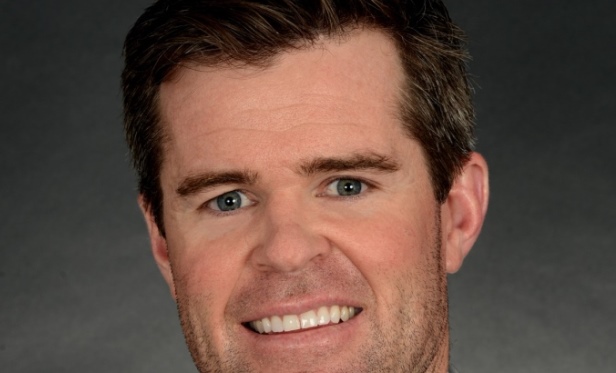
“We view San Francisco as one of the leading flagship markets on the West Coast. The city is unique, however, in how compact it is in terms of flagships, compared with the other cities in our study. Nearly all of San Francisco's flagship stores are concentrated within just a few minutes' walk of each other in Union Square or its immediate vicinity,” said Ben Lazzareschi, executive vice president, JLL Retail. “This heavy concentration, along with strong general demand from retailers, is a key reason why certain neighborhoods within a few blocks of Union Square have started to attract additional interest from retailers.”
San Francisco's flagship stores include Sephora at 33 Powell St., where space includes a beauty workshop where shoppers can receive free makeup tutorials and classes. Sephora's store also houses interactive fragrance, color and skincare IQ stations to guide shoppers to products according to variables such as personal preference and skin type. Brooks Brothers' flagship at 240 Post St. is its second largest store in the country and features a “gentleman's lounge” where shoppers can get custom tailoring, grab a coffee or shoot a game of pool.
“Flagship retail stores in major markets are typically the biggest and best locations in a retailer's portfolio and are designed to 'wow' shoppers and build loyalty to the brand,” Lazzareschi tells GlobeSt.com. “As San Francisco remains a top international and domestic tourist destination and 'gateway to the west' for parts of Asia, retailers continue to target Union Square for a West Coast flagship store.”
Luxury and luxury lite stores studied in the full report also had a direct correlation to having the highest concentration of hospitality and wellness features such as restaurants, cafes, coffee bars and VIP rooms with high-touch hospitality service.
“Flagship stores typically have unique architectural elements and dramatic interior designs,” says Jacqueline Dompe, head of JLL Northwest construction management. “Certain characteristics are more commonly found within specific price point groups like luxury or discount, but we expect that flagship features will become more common along all points within the price spectrum.”
That means costs can be steep for retailers as San Francisco is the second highest construction cost market in the country, according to JLL research.
While San Francisco's status as a flagship retail location isn't quite to the level of New York, Chicago or Los Angeles yet, especially in the number of flagship stores, San Francisco does stand out in at least one category in the JLL report: sustainability.
“San Francisco plays a leading role in the sustainability movement and this has clearly spread into the retail sector,” says Sonia Greenlee, senior vice president and LEED AP who leads JLL's Northwest hotel construction management division. “Levi's Market Street store earned its LEED certification through the use of reclaimed wood from the city's piers and Nike at 278 Post St. is LEED Gold-certified and uses reclaimed wooden bleachers from a torn-down high school in St. Louis.”
SAN FRANCISCO—Flagship stores act as leaders for retailers, guiding store portfolios with innovative concepts, technology and merchandise. While luxury brands have used flagship stores for years to connect with customers and grow brand recognition, JLL's latest research report, Flagship Confidential, shows an increase in retailers across all price points using a flagship store strategy. The report, which looks at 145 flagship stores in four of the most important markets of the country, includes analysis of San Francisco's flagship status.
“We view San Francisco as one of the leading flagship markets on the West Coast. The city is unique, however, in how compact it is in terms of flagships, compared with the other cities in our study. Nearly all of San Francisco's flagship stores are concentrated within just a few minutes' walk of each other in Union Square or its immediate vicinity,” said Ben Lazzareschi, executive vice president, JLL Retail. “This heavy concentration, along with strong general demand from retailers, is a key reason why certain neighborhoods within a few blocks of Union Square have started to attract additional interest from retailers.”
San Francisco's flagship stores include Sephora at 33 Powell St., where space includes a beauty workshop where shoppers can receive free makeup tutorials and classes. Sephora's store also houses interactive fragrance, color and skincare IQ stations to guide shoppers to products according to variables such as personal preference and skin type. Brooks Brothers' flagship at 240 Post St. is its second largest store in the country and features a “gentleman's lounge” where shoppers can get custom tailoring, grab a coffee or shoot a game of pool.
“Flagship retail stores in major markets are typically the biggest and best locations in a retailer's portfolio and are designed to 'wow' shoppers and build loyalty to the brand,” Lazzareschi tells GlobeSt.com. “As San Francisco remains a top international and domestic tourist destination and 'gateway to the west' for parts of Asia, retailers continue to target Union Square for a West Coast flagship store.”
Luxury and luxury lite stores studied in the full report also had a direct correlation to having the highest concentration of hospitality and wellness features such as restaurants, cafes, coffee bars and VIP rooms with high-touch hospitality service.
“Flagship stores typically have unique architectural elements and dramatic interior designs,” says Jacqueline Dompe, head of JLL Northwest construction management. “Certain characteristics are more commonly found within specific price point groups like luxury or discount, but we expect that flagship features will become more common along all points within the price spectrum.”
That means costs can be steep for retailers as San Francisco is the second highest construction cost market in the country, according to JLL research.
While San Francisco's status as a flagship retail location isn't quite to the level of
“San Francisco plays a leading role in the sustainability movement and this has clearly spread into the retail sector,” says Sonia Greenlee, senior vice president and LEED AP who leads JLL's Northwest hotel construction management division. “Levi's Market Street store earned its LEED certification through the use of reclaimed wood from the city's piers and Nike at 278 Post St. is LEED Gold-certified and uses reclaimed wooden bleachers from a torn-down high school in St. Louis.”
© Arc, All Rights Reserved. Request academic re-use from www.copyright.com. All other uses, submit a request to TMSalesOperations@arc-network.com. For more information visit Asset & Logo Licensing.