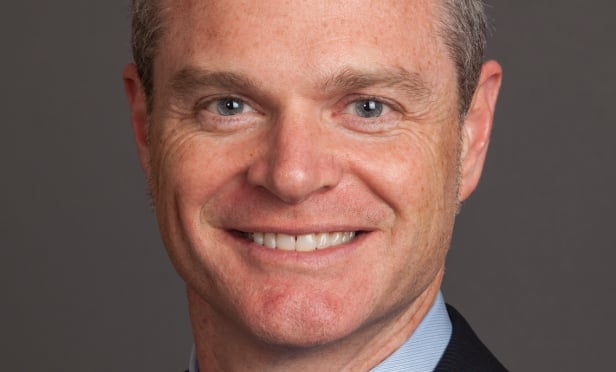
IRVINE, CA—Wage growth is not matching home-price increases nationwide—but that doesn't necessarily mean there's a problem, First American Financial Corp.'s chief economist Mark Fleming tells GlobeSt.com. In a recent Real House Price Index report from the firm, Fleming said, “While a small uptick in rates in September caused an increase in real house prices compared to August, it is important to remember that mortgage rates remain at historically low levels. The low rates, combined with recent meaningful income gains, fueled an increase in consumer house-buying power, meaning affordability is at a quarter-century best. Even as interest rates increase above 4% post-election, housing, on a purchasing-power adjusted basis, will continue to be more affordable than it was in the early 1990s.”
We spoke with Fleming about wage growth and housing prices and how the two are expected to play out over the coming year.
GlobeSt.com: Is wage growth keeping up with housing price increases in most markets?
Fleming: No, but that's because low mortgage rates, together with income growth, has increased consumer purchasing power. House-price growth exceeding wage growth doesn't necessarily mean that there is a problem. Our Real House Price Index measures whether housing is more or less expensive based on the change in nominal home prices and changes in purchasing power. Wage growth is picking up, a good thing for consumers, and will help offset the impact of rising rates. Consider San Francisco as an example. According to Case-Shiller, nominal home-price growth is 5.7% year-over-year, but after accounting for purchasing power, real house prices are actually down by 6.3%. In San Francisco, wage growth and rates are more than offsetting nominal price gains.
GlobeSt.com: How will wage growth affect apartment rentals if housing is becoming more affordable?
Fleming: This should spur faster transition from renting to buying. We are already seeing strong first-time homebuyer demand appearing in the mortgage market. The “pivot” from rent-to-own is on.
GlobeSt.com: What other effects is wage growth expected to have on the housing market over the next year?
Fleming: Faster economic growth and potential increased inflation should further improve the outlook for wage growth, which will really help to offset the loss of affordability caused by our expectation for rising mortgage rates.
GlobeSt.com: What else should our readers know about wage growth and affordability?
Fleming: Wage growth is a sign of a stronger economy and something that will increase affordability for potential home buyers. Even though nominal prices are high today, on a purchasing power-adjusted basis, I believe that housing is as affordable as it's been in a generation. No wonder it's a seller's market.
IRVINE, CA—Wage growth is not matching home-price increases nationwide—but that doesn't necessarily mean there's a problem,
We spoke with Fleming about wage growth and housing prices and how the two are expected to play out over the coming year.
GlobeSt.com: Is wage growth keeping up with housing price increases in most markets?
Fleming: No, but that's because low mortgage rates, together with income growth, has increased consumer purchasing power. House-price growth exceeding wage growth doesn't necessarily mean that there is a problem. Our Real House Price Index measures whether housing is more or less expensive based on the change in nominal home prices and changes in purchasing power. Wage growth is picking up, a good thing for consumers, and will help offset the impact of rising rates. Consider San Francisco as an example. According to Case-Shiller, nominal home-price growth is 5.7% year-over-year, but after accounting for purchasing power, real house prices are actually down by 6.3%. In San Francisco, wage growth and rates are more than offsetting nominal price gains.
GlobeSt.com: How will wage growth affect apartment rentals if housing is becoming more affordable?
Fleming: This should spur faster transition from renting to buying. We are already seeing strong first-time homebuyer demand appearing in the mortgage market. The “pivot” from rent-to-own is on.
GlobeSt.com: What other effects is wage growth expected to have on the housing market over the next year?
Fleming: Faster economic growth and potential increased inflation should further improve the outlook for wage growth, which will really help to offset the loss of affordability caused by our expectation for rising mortgage rates.
GlobeSt.com: What else should our readers know about wage growth and affordability?
Fleming: Wage growth is a sign of a stronger economy and something that will increase affordability for potential home buyers. Even though nominal prices are high today, on a purchasing power-adjusted basis, I believe that housing is as affordable as it's been in a generation. No wonder it's a seller's market.
© Arc, All Rights Reserved. Request academic re-use from www.copyright.com. All other uses, submit a request to TMSalesOperations@arc-network.com. For more information visit Asset & Logo Licensing.