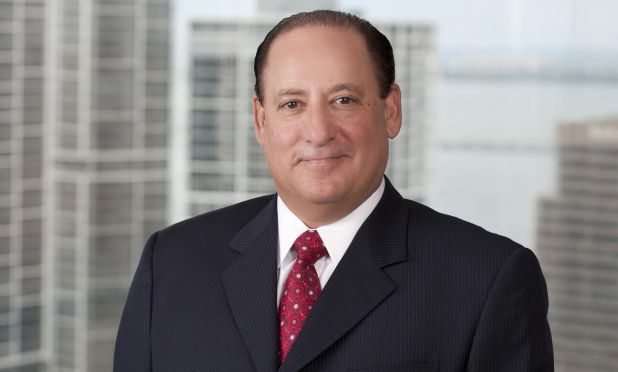
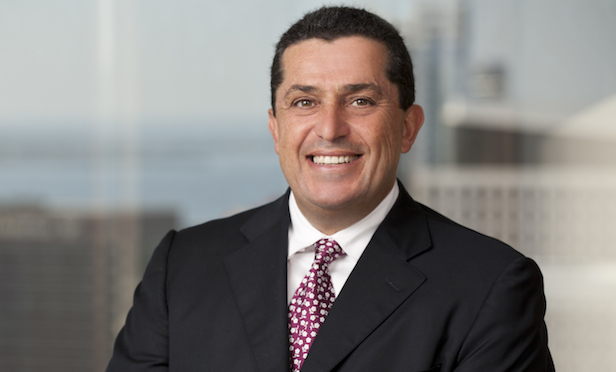
MIAMI—E-commerce is a force to be reckoned with for brick-and-mortar retailers. In fact, it's creating financial challenges and lenders are working to avoid defaults and foreclosures. GlobeSt.com caught up with Jay Steinman and Alan Grunspan, shareholders in Carlton Fields' Miami office, to get some insights into this emerging challenge in this exclusive interview.
GlobeSt.com: What financial challenges are shopping centers facing these days?
Steinman and Grunspan: Increased vacancies due to declining demand for brick-and-mortar space because consumer preferences are shifting toward online shopping.
GlobeSt.com: What can lenders do in regards to defaulting borrowers fighting a lender's foreclosure action?
Steinman and Grunspan: Cash control is critical. Lenders should be wary of borrowers using the income from the property to fight a foreclosure.
In addition to the shopping center real estate and improvements thereon, the income generated from the shopping center is also part of the lender's collateral. There are several available remedies, including expedited foreclosure procedures and interim cash control remedies—with and without a receivership—to limit a borrower's ability to use income from the property for anything besides payment of property expenses and debt repayment to the lender.
GlobeSt.com: Will the retail market continue to deteriorate, and will shopping center foreclosures become more prevalent?
Steinman and Grunspan: Likely. We appear to be heading toward the end of the cycle, with premium prices having been paid for the most recent shopping center transactions. Therefore, if income falls due to reduced demand, or if interest rates reset higher, shopping center owners face increased pressure.
In addition, certain financial loan covenants may be tripped, which can also lead to foreclosure. Repositioning of the centers to alternative uses like residential is also likely.
GlobeSt.com: What bad practices should landlords avoid to stave off possible foreclosure?
Steinman and Grunspan: The key is to be upfront and direct with lenders and initiate the discussion. Landlords should be willing to come up with additional resources to shore up any actual income shortfalls, etc.
Landlords should also push the bounds of acceptable office and retail uses. In the past, office uses in retail spaces were more restrictive—real estate brokerage offices or occasional professional offices. But now there are more types of professional offices—healthcare-related. Consequently, landlords should expand uses to stay ahead of bad times.
MIAMI—E-commerce is a force to be reckoned with for brick-and-mortar retailers. In fact, it's creating financial challenges and lenders are working to avoid defaults and foreclosures. GlobeSt.com caught up with Jay Steinman and Alan Grunspan, shareholders in
GlobeSt.com: What financial challenges are shopping centers facing these days?
Steinman and Grunspan: Increased vacancies due to declining demand for brick-and-mortar space because consumer preferences are shifting toward online shopping.
GlobeSt.com: What can lenders do in regards to defaulting borrowers fighting a lender's foreclosure action?
Steinman and Grunspan: Cash control is critical. Lenders should be wary of borrowers using the income from the property to fight a foreclosure.
In addition to the shopping center real estate and improvements thereon, the income generated from the shopping center is also part of the lender's collateral. There are several available remedies, including expedited foreclosure procedures and interim cash control remedies—with and without a receivership—to limit a borrower's ability to use income from the property for anything besides payment of property expenses and debt repayment to the lender.
GlobeSt.com: Will the retail market continue to deteriorate, and will shopping center foreclosures become more prevalent?
Steinman and Grunspan: Likely. We appear to be heading toward the end of the cycle, with premium prices having been paid for the most recent shopping center transactions. Therefore, if income falls due to reduced demand, or if interest rates reset higher, shopping center owners face increased pressure.
In addition, certain financial loan covenants may be tripped, which can also lead to foreclosure. Repositioning of the centers to alternative uses like residential is also likely.
GlobeSt.com: What bad practices should landlords avoid to stave off possible foreclosure?
Steinman and Grunspan: The key is to be upfront and direct with lenders and initiate the discussion. Landlords should be willing to come up with additional resources to shore up any actual income shortfalls, etc.
Landlords should also push the bounds of acceptable office and retail uses. In the past, office uses in retail spaces were more restrictive—real estate brokerage offices or occasional professional offices. But now there are more types of professional offices—healthcare-related. Consequently, landlords should expand uses to stay ahead of bad times.
© Arc, All Rights Reserved. Request academic re-use from www.copyright.com. All other uses, submit a request to TMSalesOperations@arc-network.com. For more information visit Asset & Logo Licensing.