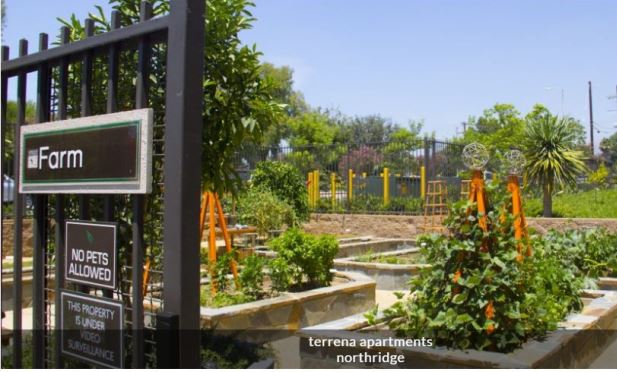
SANTA CLARA, CA—With the decline in the past century's victory garden trend, edible gardens are back at the forefront and proving popular among single-family homeowners. Farmscape, the largest urban farming venture in California, is now capturing this demand.
Farmscape works with developers, architects and cities to turn cookie-cutter communities into agrihoods (agricultural neighborhoods). As a result of creating fruit and vegetable landscapes within communities, developers have realized a 7% property value increase from Farmscape. The aesthetic attributes not only attracts a higher future sale, but has also drawn in a wider demographic of individual property buyers who are looking to live in a more interactive community environment.
Working directly with developers at the early stage of construction, Farmscape's end objective is to connect city dwellers with fresh, organic produce from their own residential back yards. The transformation of an agrihood within established and newly developed properties has proven to be an attractive attribute for residents, while simultaneously creating living wage green jobs for Farmscape's team of local urban farmers.
With more than 600 projects primarily within California (and future developments in Texas and Nevada), Farmscape has undertaken a broad range of projects from small townhome communities to 4 acres of farm space. Farmscape tailors the proven urban farming program to each development for a personalized, authentic experience.
With setup costs from $55,000 to larger plots of $1 million per development, the gardens include row crops, raised beds, orchards, vineyards and edible-inspired ornamental landscaping. Farmscape trains and manages local team members in the Farmscape method, and offers continual training and support to agrihood communities. The final result is a product that encourages residents to enjoy the perks of rural farm life with none of the responsibility.
The proven attributes for property developers using Farmscape has been optimistic. Generally, developers can expect fewer resubmits and greater community support during the entitlement process alongside Farmscape supporting developers through the design, installation, maintenance and programming phases. Additionally, in Santa Clara, the community rallied behind the Win6 agrihood development, with more than 300 community members regularly attending city council meetings in support of the project.
Nick Kosla, principal with the land entitlement consulting firm, Kosla Ventures, and former director of planning and entitlement for Pulte Homes, has experienced the Farmscape effect firsthand.
“One of the really unique qualities of farmscape and agrihoods is how scalable they are depending on a project's size,” Kosla says. “For smaller infill projects, a developer can focus on more intimate and immediate farmscape components like lettuce beds which can provide weekly produce, while for larger projects, a developer can incorporate small fruit orchards which are much more water efficient than lawns or traditional landscaping. In either case, a future homeowner is actually getting a return on their investment in the form of food and a cost savings in HOA water usage. It's really a win-win.”
Farmscape principal, Lara Hermanson, recently discussed the Farmscape concept with GlobeSt.com.
GlobeSt.com: How does Farmscape specifically work with developers, architects and cities to turn communities into agrihoods?
Hermanson: Farmscape is contracted at an early stage of development (whether a renovation or new build) to design the agrihood (agricultural neighborhood). Working alongside the landscape architect and developers, Farmscape's objective is to generate an aesthetically pleasing outdoor environment for residents while providing an abundance of homegrown, organic produce.
Various factors are then taken into account. These include renter/owner demographics, microclimate, soil quality and site design. A typical Farmscape agrihood includes raised beds, row crops, orchards, vineyards and edible-inspired ornamental landscaping. Not one agrihood is alike as we account for multiple moving parts: the goals of the construction team, the vision of the architecture and the space we have to work with for demographic homebuyer attraction. Each stage is discussed within the core team to ensure the agrihood compliments the overall visual objective of all parties.
Supporting developers from day one, Farmscape aids the design, installation, maintenance and programming phases. This includes involvement of the final plans for city council approval submissions. Farmscape is also actively involved in the general community to address questions.
Farmscape, the developers and architects also discuss the end property buyer demographics. Bay Area millennials now demand an agrihood as part of their property home searches. These higher income earners are searching for a home with an outdoor environment as priority, validating the trending direction that residents are looking for a home-life interactive community experience.
SANTA CLARA, CA—With the decline in the past century's victory garden trend, edible gardens are back at the forefront and proving popular among single-family homeowners. Farmscape, the largest urban farming venture in California, is now capturing this demand.
Farmscape works with developers, architects and cities to turn cookie-cutter communities into agrihoods (agricultural neighborhoods). As a result of creating fruit and vegetable landscapes within communities, developers have realized a 7% property value increase from Farmscape. The aesthetic attributes not only attracts a higher future sale, but has also drawn in a wider demographic of individual property buyers who are looking to live in a more interactive community environment.
Working directly with developers at the early stage of construction, Farmscape's end objective is to connect city dwellers with fresh, organic produce from their own residential back yards. The transformation of an agrihood within established and newly developed properties has proven to be an attractive attribute for residents, while simultaneously creating living wage green jobs for Farmscape's team of local urban farmers.
With more than 600 projects primarily within California (and future developments in Texas and Nevada), Farmscape has undertaken a broad range of projects from small townhome communities to 4 acres of farm space. Farmscape tailors the proven urban farming program to each development for a personalized, authentic experience.
With setup costs from $55,000 to larger plots of $1 million per development, the gardens include row crops, raised beds, orchards, vineyards and edible-inspired ornamental landscaping. Farmscape trains and manages local team members in the Farmscape method, and offers continual training and support to agrihood communities. The final result is a product that encourages residents to enjoy the perks of rural farm life with none of the responsibility.
The proven attributes for property developers using Farmscape has been optimistic. Generally, developers can expect fewer resubmits and greater community support during the entitlement process alongside Farmscape supporting developers through the design, installation, maintenance and programming phases. Additionally, in Santa Clara, the community rallied behind the Win6 agrihood development, with more than 300 community members regularly attending city council meetings in support of the project.
Nick Kosla, principal with the land entitlement consulting firm, Kosla Ventures, and former director of planning and entitlement for Pulte Homes, has experienced the Farmscape effect firsthand.
“One of the really unique qualities of farmscape and agrihoods is how scalable they are depending on a project's size,” Kosla says. “For smaller infill projects, a developer can focus on more intimate and immediate farmscape components like lettuce beds which can provide weekly produce, while for larger projects, a developer can incorporate small fruit orchards which are much more water efficient than lawns or traditional landscaping. In either case, a future homeowner is actually getting a return on their investment in the form of food and a cost savings in HOA water usage. It's really a win-win.”
Farmscape principal, Lara Hermanson, recently discussed the Farmscape concept with GlobeSt.com.
GlobeSt.com: How does Farmscape specifically work with developers, architects and cities to turn communities into agrihoods?
Hermanson: Farmscape is contracted at an early stage of development (whether a renovation or new build) to design the agrihood (agricultural neighborhood). Working alongside the landscape architect and developers, Farmscape's objective is to generate an aesthetically pleasing outdoor environment for residents while providing an abundance of homegrown, organic produce.
Various factors are then taken into account. These include renter/owner demographics, microclimate, soil quality and site design. A typical Farmscape agrihood includes raised beds, row crops, orchards, vineyards and edible-inspired ornamental landscaping. Not one agrihood is alike as we account for multiple moving parts: the goals of the construction team, the vision of the architecture and the space we have to work with for demographic homebuyer attraction. Each stage is discussed within the core team to ensure the agrihood compliments the overall visual objective of all parties.
Supporting developers from day one, Farmscape aids the design, installation, maintenance and programming phases. This includes involvement of the final plans for city council approval submissions. Farmscape is also actively involved in the general community to address questions.
Farmscape, the developers and architects also discuss the end property buyer demographics. Bay Area millennials now demand an agrihood as part of their property home searches. These higher income earners are searching for a home with an outdoor environment as priority, validating the trending direction that residents are looking for a home-life interactive community experience.
© Arc, All Rights Reserved. Request academic re-use from www.copyright.com. All other uses, submit a request to TMSalesOperations@arc-network.com. For more information visit Asset & Logo Licensing.