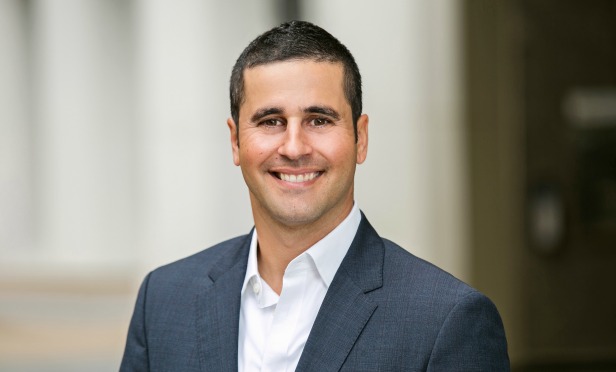
LOS ANGELES—Next year, experts are expecting higher interest rates, higher cap rates and inflation as a result of new policy from the incoming administration. But, it isn't all bad news. We can also expect more liquidity and fewer regulations, according to Shlomi Ronen, managing principal and founder of Dekel Capital, tells GlobeSt.com. Ronen says that many of these policy changes will mean good things for the real estate industry. We sat down with Ronen for an exclusive interview to find out more about his expectations of the new administration, the impact on the real estate market and how his clients are preparing.
GlobeSt.com: What are your expectations about the Trump administration and how its policies will affect the real estate market?
Shlomi Ronen: We have been getting tidbits of the new administration's thinking, and they have been talking about scaling back bank regulation, which I think puts Dodd Frank in the crosshairs of the new administration. The question is how quickly will they be able to effectuate change. If they are able to move quickly and scale back regulation, the outcome will ultimately add liquidity to the market. For real estate, that is generally a good thing. This year, we saw liquidity get restrained somewhat, not only by Dodd Frank but also by the international Basel III regulations. Giving the banks a bit of a breather will be very much welcomed. The administration also has spoken about divesting from Fannie Mae and Freddie Mac. The effect of that is unknown, but I suspect that if Fannie and Freddie went private, there will be some changes in their pricing because there will be changes to their cost of capital. There are some structural change that is on the horizon and multifamily owners and investors will be cognizant of that. The world as we known it today is not going to change.
GlobeSt.com: This administration has talked a lot about loosening regulations. Are there concerns that deregulating the banking industry will encourage another crash like we saw in 2008?
Ronen: I don't think so. We have not seen credit go loose, and I don't think that deregulation is going to cause credit to go loose. Just because the crash is still a recent experience, and no one on the banking side wants to repeat that again. It was not a fun time to be a banker. If the question is: are we going to deregulate and then have 2008 happen all over again, the answer is no. It was multiple players. It wasn't only the banks. You had government policy encouraging speculation in housing; you had the securitized market where it all began to unravel; you had packaging and repackaging of loans, which investors bought without understanding the fundamental credit behind it. A lot of things happened in a confluence of events.
GlobeSt.com: Then, do you think that the increased regulations were unnecessary following the crash?
Ronen: In my mind, we are too restrictive on the industry. For example, look at the risk retention component of the market, which requires that the originators have to keep a portion of risk retention. The industry is okay with keeping the risk retention, but they want some flexibility in terms of who retains that risk and they have not been able to get through. If it allowed some flexibility, the government could loosen those regulations, and still get the desired affect.
GlobeSt.com: Are you seeing any clients adjusting investment strategy in anticipation of higher interest rates and other policy changes that you have mentioned next year?
Ronen: I think Washington in general moves slowly, and these types of changes are going to take some time. I don't expect to see these changes come into play next year. Once they announce and plan for them, there will be a lot of discussion before the are implemented. The expectation is that policy, as it relates to real estate and even general policy, is going to be more lax. It is a lot more spending on things that will likely lead to inflation, so I think that people are preparing for that. I think people are preparing for higher interest rates, too. We are not going to continue to be in this slow growth or low spending environment. However, in terms of stalling a project or rushing to get a project pushed through, we have not seen that. It has been business as usual.
LOS ANGELES—Next year, experts are expecting higher interest rates, higher cap rates and inflation as a result of new policy from the incoming administration. But, it isn't all bad news. We can also expect more liquidity and fewer regulations, according to Shlomi Ronen, managing principal and founder of Dekel Capital, tells GlobeSt.com. Ronen says that many of these policy changes will mean good things for the real estate industry. We sat down with Ronen for an exclusive interview to find out more about his expectations of the new administration, the impact on the real estate market and how his clients are preparing.
GlobeSt.com: What are your expectations about the Trump administration and how its policies will affect the real estate market?
Shlomi Ronen: We have been getting tidbits of the new administration's thinking, and they have been talking about scaling back bank regulation, which I think puts Dodd Frank in the crosshairs of the new administration. The question is how quickly will they be able to effectuate change. If they are able to move quickly and scale back regulation, the outcome will ultimately add liquidity to the market. For real estate, that is generally a good thing. This year, we saw liquidity get restrained somewhat, not only by Dodd Frank but also by the international Basel III regulations. Giving the banks a bit of a breather will be very much welcomed. The administration also has spoken about divesting from
GlobeSt.com: This administration has talked a lot about loosening regulations. Are there concerns that deregulating the banking industry will encourage another crash like we saw in 2008?
Ronen: I don't think so. We have not seen credit go loose, and I don't think that deregulation is going to cause credit to go loose. Just because the crash is still a recent experience, and no one on the banking side wants to repeat that again. It was not a fun time to be a banker. If the question is: are we going to deregulate and then have 2008 happen all over again, the answer is no. It was multiple players. It wasn't only the banks. You had government policy encouraging speculation in housing; you had the securitized market where it all began to unravel; you had packaging and repackaging of loans, which investors bought without understanding the fundamental credit behind it. A lot of things happened in a confluence of events.
GlobeSt.com: Then, do you think that the increased regulations were unnecessary following the crash?
Ronen: In my mind, we are too restrictive on the industry. For example, look at the risk retention component of the market, which requires that the originators have to keep a portion of risk retention. The industry is okay with keeping the risk retention, but they want some flexibility in terms of who retains that risk and they have not been able to get through. If it allowed some flexibility, the government could loosen those regulations, and still get the desired affect.
GlobeSt.com: Are you seeing any clients adjusting investment strategy in anticipation of higher interest rates and other policy changes that you have mentioned next year?
Ronen: I think Washington in general moves slowly, and these types of changes are going to take some time. I don't expect to see these changes come into play next year. Once they announce and plan for them, there will be a lot of discussion before the are implemented. The expectation is that policy, as it relates to real estate and even general policy, is going to be more lax. It is a lot more spending on things that will likely lead to inflation, so I think that people are preparing for that. I think people are preparing for higher interest rates, too. We are not going to continue to be in this slow growth or low spending environment. However, in terms of stalling a project or rushing to get a project pushed through, we have not seen that. It has been business as usual.
© Arc, All Rights Reserved. Request academic re-use from www.copyright.com. All other uses, submit a request to TMSalesOperations@arc-network.com. For more information visit Asset & Logo Licensing.