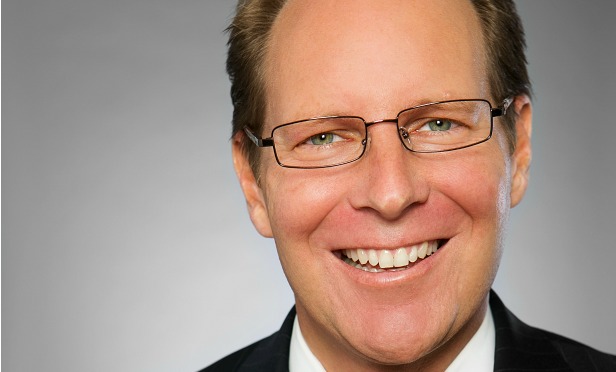
LOS ANGELES—After a year of no movement, the Fed sneaked in another rate increase—a nominal 25 basis points—before the close of 2016. If not for the presidential election, the token increase might have felt like a repeat of 2015, when the Fed increased rates for the first time in this business cycle, also by a quarter percentage point. According to Chris Macke, managing director of research and strategy at American Realty Advisors, the Fed's strategy is slow-and-steady rate increases.
“If location, location, location sums up real estate, gradual, gradual, gradual sums up the fed at this point,” Macke tells GlobeSt.com. “The most instructive part of the fed's action is the continued broadcasting of a gradual trajectory, not whether target rate increased by 25 basis points.”
While many experts are anticipating higher interest rates next year as a result of shifting policy from the new administration, Macke says the election results did not play a role in the recent rate hike. When asked what role the election and the subsequent surge in the stock market might have played in the Fed's decision, he says, “If we take the Fed at their word via their December statement, not much. Rather, the Fed cited the 'considerable progress the economy is making toward maximum employment and price stability.'”
In December 2015, the Fed said it anticipated making incremental rate increases throughout 2016, which in reality did not happen. This time, however, the Fed was more critic, deciding not to give guidance on its expectation for rate increases in 2017. More rate increases will likely hang on the decisions of the incoming administration. “It depends on the first 100 days of the president-elect's term,” says Macke, adding that proposals, Congress' reaction to those proposals and implementation will all play a role in the Fed's decisions.
Overall, however, he doesn't expect these rate increases to significantly affect the real estate market. In fact, American Realty Advisors is not making any shifts in investment strategy as a result of anticipated changes. “While equity markets are priced to policy perfection and seem to be speculating that only expansionary fiscal, tax, trade and Fed policy will be proposed and implemented, there is significant uncertainty as to what policy is eventually enacted,” adds Macke. “Speculation is not a prudent basis on which to make significant shifts in investment strategy.”
LOS ANGELES—After a year of no movement, the Fed sneaked in another rate increase—a nominal 25 basis points—before the close of 2016. If not for the presidential election, the token increase might have felt like a repeat of 2015, when the Fed increased rates for the first time in this business cycle, also by a quarter percentage point. According to Chris Macke, managing director of research and strategy at American Realty Advisors, the Fed's strategy is slow-and-steady rate increases.
“If location, location, location sums up real estate, gradual, gradual, gradual sums up the fed at this point,” Macke tells GlobeSt.com. “The most instructive part of the fed's action is the continued broadcasting of a gradual trajectory, not whether target rate increased by 25 basis points.”
While many experts are anticipating higher interest rates next year as a result of shifting policy from the new administration, Macke says the election results did not play a role in the recent rate hike. When asked what role the election and the subsequent surge in the stock market might have played in the Fed's decision, he says, “If we take the Fed at their word via their December statement, not much. Rather, the Fed cited the 'considerable progress the economy is making toward maximum employment and price stability.'”
In December 2015, the Fed said it anticipated making incremental rate increases throughout 2016, which in reality did not happen. This time, however, the Fed was more critic, deciding not to give guidance on its expectation for rate increases in 2017. More rate increases will likely hang on the decisions of the incoming administration. “It depends on the first 100 days of the president-elect's term,” says Macke, adding that proposals, Congress' reaction to those proposals and implementation will all play a role in the Fed's decisions.
Overall, however, he doesn't expect these rate increases to significantly affect the real estate market. In fact, American Realty Advisors is not making any shifts in investment strategy as a result of anticipated changes. “While equity markets are priced to policy perfection and seem to be speculating that only expansionary fiscal, tax, trade and Fed policy will be proposed and implemented, there is significant uncertainty as to what policy is eventually enacted,” adds Macke. “Speculation is not a prudent basis on which to make significant shifts in investment strategy.”
© Arc, All Rights Reserved. Request academic re-use from www.copyright.com. All other uses, submit a request to TMSalesOperations@arc-network.com. For more information visit Asset & Logo Licensing.