WASHINGTON, DC–The District ended 2016 with a negative net absorption of close to 52,000 square feet, according to CBRE. As we reported yesterday, the trophy office asset class was an exception and performed very well.
As did the co-working space. CBRE also found that:
Washington, D.C.'s co-working segment continued to be the key driver of net occupancy gain, accounting for 7.6% of total leasing activity in 2016, up from 2% in 2015. Co-working in the District accounted for 324,000 square feet of net absorption in 2016.
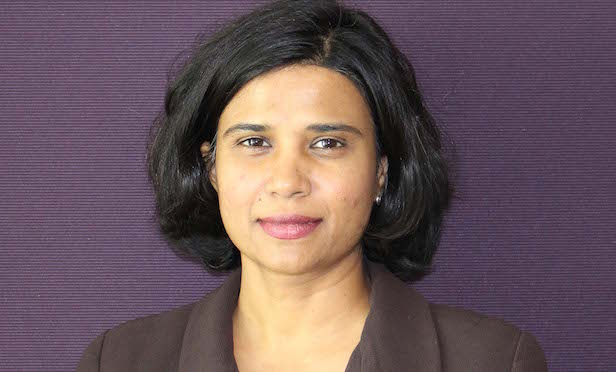
In a recent interview with Revathi Greenwood, CBRE's director of Research, she noted that WeWork was a main driver behind this activity. To be precise, she said that half of the co-working sector's growth was driven by this one company.
With 280,000 square feet of net absorption, WeWork expanded operations to more than 200,000 square feet of space in the Capitol Riverfront and 117,000 square feet in the East End. Fifty percent of co-working leasing in 2016 was from WeWork alone — this is counteracting a lot of the contractions from other market sectors such as legal and government.
Unfortunately, negative net absorption from the aforementioned legal and government sectors was too large for co-working — and the trophy sector as well, for that matter — to reverse the tide. Contractions by the legal and government sectors were the primary drivers of occupancy loss for the year, accounting for negative absorption of 266,000 square feet and 446,000 square feet, respectively, according to CBRE.
WASHINGTON, DC–The District ended 2016 with a negative net absorption of close to 52,000 square feet, according to CBRE. As we reported yesterday, the trophy office asset class was an exception and performed very well.
As did the co-working space. CBRE also found that:
Washington, D.C.'s co-working segment continued to be the key driver of net occupancy gain, accounting for 7.6% of total leasing activity in 2016, up from 2% in 2015. Co-working in the District accounted for 324,000 square feet of net absorption in 2016.
In a recent interview with Revathi Greenwood, CBRE's director of Research, she noted that WeWork was a main driver behind this activity. To be precise, she said that half of the co-working sector's growth was driven by this one company.
With 280,000 square feet of net absorption, WeWork expanded operations to more than 200,000 square feet of space in the Capitol Riverfront and 117,000 square feet in the East End. Fifty percent of co-working leasing in 2016 was from WeWork alone — this is counteracting a lot of the contractions from other market sectors such as legal and government.
Unfortunately, negative net absorption from the aforementioned legal and government sectors was too large for co-working — and the trophy sector as well, for that matter — to reverse the tide. Contractions by the legal and government sectors were the primary drivers of occupancy loss for the year, accounting for negative absorption of 266,000 square feet and 446,000 square feet, respectively, according to CBRE.
© Arc, All Rights Reserved. Request academic re-use from www.copyright.com. All other uses, submit a request to TMSalesOperations@arc-network.com. For more information visit Asset & Logo Licensing.