SACRAMENTO—With the Federal Reserve raising interest rates and Dodd-Frank regulations taking effect, many lenders are exercising caution when it comes to financing deals, especially in secondary markets such as Sacramento. Those with challenging tenant mixes are also subject to scrutiny.
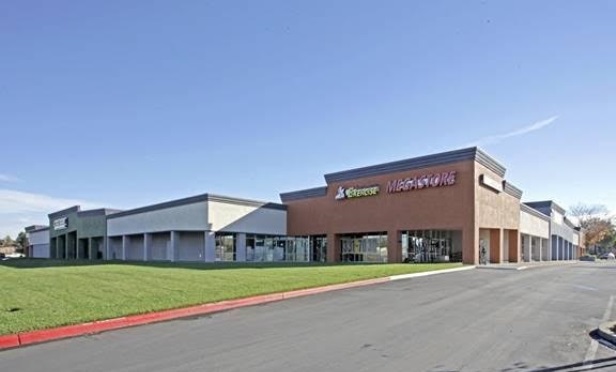
A recent example of those types of challenges came when commercial real estate mortgage banking firm, Continental Partners, formerly known as Continental Funding Group, successfully secured $21.4 million in refinancing for two retail centers. The subject properties were a 152,719-square-foot shopping center located at 5400 Date Ave. in Sacramento and a 149,620-square-foot retail property located at 911-963 West Pacheco Blvd. in Los Banos, CA. The financing was arranged by Continental Partners executive vice president J.M. Grimaldi.
“The challenge with securing financing for these two assets was that most lenders are typically more conservative when it comes to financing retail properties, especially those with challenging tenant mixes,” Grimaldi tells GlobeSt.com. “With the continued rise of e-commerce and its impact on the retail sector, many lenders are factoring in the uncertainty by originating loans with higher rates and lower leverage than they would for other asset classes like multifamily. By utilizing a creative approach, however, we were able to source a lender that understood the strength of the sponsor's value-add investment strategy and secured a competitive fixed rate product that would meet the borrower's financial objectives.”
This unique approach in refinancing these retail centers allowed the owner to cash out the proceeds to invest in other assets.
“Lenders across the board are being more conservative when it comes to financing commercial deals, especially distressed assets in secondary and tertiary markets,” says Grimaldi. “With the Dodd-Frank regulations taking effect and an increase in interest rates, lenders are lowering their loan proceeds and are pricing in interest rate hikes in their underwriting.”
The sponsor, a private real estate investor that specializes in acquiring and repositioning underperforming assets, had requested the most competitive terms available to refinance the two value-add retail properties, according to Grimaldi.
“In the first transaction, the borrower needed a fixed-rate loan to refinance the Sacramento retail asset and cash out the proceeds to invest in new acquisitions,” says Grimaldi. “The challenge, however, was that most lenders were underwriting the loan with an unfavorable appraisal based on comps in the area.”
Continental Partners approached a number of lenders that would originate a loan based on the retail property's new leasing activity and stabilized value. In 2013, the asset was highly distressed and only 57% occupied. At the time of refinancing, it was 93% occupied, with a new lease signed with CircusTrix, an operator of indoor trampoline parks.
“By demonstrating the potential value of this asset and emphasizing the sponsor's long-term investment strategy, we were able to increase the loan covenant from 65% to 70%,” explains Grimaldi. “Further, we structured a competitive fixed-rate SWAP product that would allow the sponsor to generate additional yield should the prime index increase, which is likely given the anticipated interest rate hike. In doing so, we were able to achieve a debt coverage ratio of 1.40 and meet the borrower's objectives in cashing out as much as possible for future investments.”
Continental Partners secured the $11.9 million Sacramento loan from an international bank. The seven-year loan was structured with a loan-to-value of 70% with an amortization of 30 years.
In the second transaction, the sponsor requested a competitive fixed-rate product to refinance a JCPenney-anchored retail center in Los Banos. Continental Partners arranged the $9.5 million loan, with $6.5 million available in initial funding based on the acquisition cost covenant. The 15-year loan was structured with a loan-to-cost rate of 70% with an amortization of 30 years.
“The property's location in a tertiary market, coupled with its current tenant mix, presented an initial challenge,” notes Grimaldi. “The anchor tenant, JCPenney, is in its first option period of the lease with no sign of renewing. Based on these factors, we utilized a unique loan structure to obtain the best rates available on behalf of the sponsor.”
Continental Partners sourced a state chartered credit union that understood the sponsor's value-add investment strategy and the potential value of the asset upon stabilization. The firm arranged the loan commitment based on the total stabilized value and incorporated an earn-out structure, enabling the borrower to draw the remaining funds during the next 12 months.
“By incorporating a good news money structure, which would release additional loan proceeds upon stabilization of the asset, we were able to obtain a fixed-rate product with a flexible pre-pay option,” says Grimaldi. “In doing so, we eliminated the interest rate risk over the next year and secured an optimal financing solution on behalf of our client.”
As previously reported, specialized properties also have lending challenges.
SACRAMENTO—With the Federal Reserve raising interest rates and Dodd-Frank regulations taking effect, many lenders are exercising caution when it comes to financing deals, especially in secondary markets such as Sacramento. Those with challenging tenant mixes are also subject to scrutiny.
A recent example of those types of challenges came when commercial real estate mortgage banking firm, Continental Partners, formerly known as Continental Funding Group, successfully secured $21.4 million in refinancing for two retail centers. The subject properties were a 152,719-square-foot shopping center located at 5400 Date Ave. in Sacramento and a 149,620-square-foot retail property located at 911-963 West Pacheco Blvd. in Los Banos, CA. The financing was arranged by Continental Partners executive vice president J.M. Grimaldi.
“The challenge with securing financing for these two assets was that most lenders are typically more conservative when it comes to financing retail properties, especially those with challenging tenant mixes,” Grimaldi tells GlobeSt.com. “With the continued rise of e-commerce and its impact on the retail sector, many lenders are factoring in the uncertainty by originating loans with higher rates and lower leverage than they would for other asset classes like multifamily. By utilizing a creative approach, however, we were able to source a lender that understood the strength of the sponsor's value-add investment strategy and secured a competitive fixed rate product that would meet the borrower's financial objectives.”
This unique approach in refinancing these retail centers allowed the owner to cash out the proceeds to invest in other assets.
“Lenders across the board are being more conservative when it comes to financing commercial deals, especially distressed assets in secondary and tertiary markets,” says Grimaldi. “With the Dodd-Frank regulations taking effect and an increase in interest rates, lenders are lowering their loan proceeds and are pricing in interest rate hikes in their underwriting.”
The sponsor, a private real estate investor that specializes in acquiring and repositioning underperforming assets, had requested the most competitive terms available to refinance the two value-add retail properties, according to Grimaldi.
“In the first transaction, the borrower needed a fixed-rate loan to refinance the Sacramento retail asset and cash out the proceeds to invest in new acquisitions,” says Grimaldi. “The challenge, however, was that most lenders were underwriting the loan with an unfavorable appraisal based on comps in the area.”
Continental Partners approached a number of lenders that would originate a loan based on the retail property's new leasing activity and stabilized value. In 2013, the asset was highly distressed and only 57% occupied. At the time of refinancing, it was 93% occupied, with a new lease signed with CircusTrix, an operator of indoor trampoline parks.
“By demonstrating the potential value of this asset and emphasizing the sponsor's long-term investment strategy, we were able to increase the loan covenant from 65% to 70%,” explains Grimaldi. “Further, we structured a competitive fixed-rate SWAP product that would allow the sponsor to generate additional yield should the prime index increase, which is likely given the anticipated interest rate hike. In doing so, we were able to achieve a debt coverage ratio of 1.40 and meet the borrower's objectives in cashing out as much as possible for future investments.”
Continental Partners secured the $11.9 million Sacramento loan from an international bank. The seven-year loan was structured with a loan-to-value of 70% with an amortization of 30 years.
In the second transaction, the sponsor requested a competitive fixed-rate product to refinance a JCPenney-anchored retail center in Los Banos. Continental Partners arranged the $9.5 million loan, with $6.5 million available in initial funding based on the acquisition cost covenant. The 15-year loan was structured with a loan-to-cost rate of 70% with an amortization of 30 years.
“The property's location in a tertiary market, coupled with its current tenant mix, presented an initial challenge,” notes Grimaldi. “The anchor tenant, JCPenney, is in its first option period of the lease with no sign of renewing. Based on these factors, we utilized a unique loan structure to obtain the best rates available on behalf of the sponsor.”
Continental Partners sourced a state chartered credit union that understood the sponsor's value-add investment strategy and the potential value of the asset upon stabilization. The firm arranged the loan commitment based on the total stabilized value and incorporated an earn-out structure, enabling the borrower to draw the remaining funds during the next 12 months.
“By incorporating a good news money structure, which would release additional loan proceeds upon stabilization of the asset, we were able to obtain a fixed-rate product with a flexible pre-pay option,” says Grimaldi. “In doing so, we eliminated the interest rate risk over the next year and secured an optimal financing solution on behalf of our client.”
As previously reported, specialized properties also have lending challenges.
© Arc, All Rights Reserved. Request academic re-use from www.copyright.com. All other uses, submit a request to TMSalesOperations@arc-network.com. For more information visit Asset & Logo Licensing.