LOS ANGELES—The debate over Measure S continues to heat up as we push toward election day in March. Measure S, also known as the Neighborhood Integrity Initiative, will place a two-year moratorium on any development that requires an exception to the general plan. At the end of the year, Beacon Economics releases a report showing that Measure S would cost the Los Angeles economy $3.8 billion and 24,000 jobs.
There is a catch, however. Opposition groups sponsored the report, and when the language was included in the voter guide, supporters filed a suit in Los Angeles Superior Court. The suit was settled almost immediately when the opposition agreed to soften the language of the economic forecast.
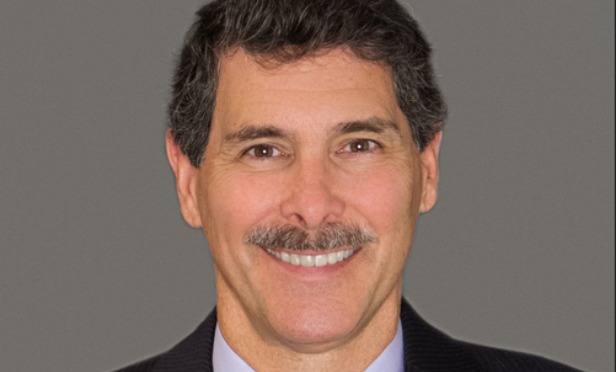
While the language in the voter guide has been changed, Robert Kleinhenz, executive director of research at Beacon Economics, continues to assert the need for more, bot less housing, in Los Angeles. “The big issue is that Los Angeles City and the region as a whole has undersupplied housing for many years,” Kleinhenz tells GlobeSt.com. “The problem of housing shortage, not just in the number of rental units as well as owner-occupied units and for low-income as well as middle-income households, is a chronic and recurring issue in Los Angeles. Between 2010 to 2016, there were 56,000 housing units built during that time, but 200,000 households were formed. That gives you an idea of the magnitude of the problem. We are building about a quarter of the housing that we need for L.A. Measure S would stop building, and in that sense it is going in the wrong direction. We need to be building more units, not stopping construction.”
While the opposition claims that more multifamily development will help stabilize rents, supporters of the measure say that it will protect the city from overdevelopment of luxury apartments and refocus the city on low- and middle-income housing. “If high-end units are being built, then those are only going to be leased by high-end households,” adds Kleinhenz. “Theoretically, though, that does create some vacancy in the units that were vacated, and those units would then be available to people who could rent those. I see this as a cascading situation. We are talking about a very impacted metropolitan area. It is going to be really hard to find conceptual improvements.”
Measure S is up for vote on March 7.
LOS ANGELES—The debate over Measure S continues to heat up as we push toward election day in March. Measure S, also known as the Neighborhood Integrity Initiative, will place a two-year moratorium on any development that requires an exception to the general plan. At the end of the year, Beacon Economics releases a report showing that Measure S would cost the Los Angeles economy $3.8 billion and 24,000 jobs.
There is a catch, however. Opposition groups sponsored the report, and when the language was included in the voter guide, supporters filed a suit in Los Angeles Superior Court. The suit was settled almost immediately when the opposition agreed to soften the language of the economic forecast.
While the language in the voter guide has been changed, Robert Kleinhenz, executive director of research at Beacon Economics, continues to assert the need for more, bot less housing, in Los Angeles. “The big issue is that Los Angeles City and the region as a whole has undersupplied housing for many years,” Kleinhenz tells GlobeSt.com. “The problem of housing shortage, not just in the number of rental units as well as owner-occupied units and for low-income as well as middle-income households, is a chronic and recurring issue in Los Angeles. Between 2010 to 2016, there were 56,000 housing units built during that time, but 200,000 households were formed. That gives you an idea of the magnitude of the problem. We are building about a quarter of the housing that we need for L.A. Measure S would stop building, and in that sense it is going in the wrong direction. We need to be building more units, not stopping construction.”
While the opposition claims that more multifamily development will help stabilize rents, supporters of the measure say that it will protect the city from overdevelopment of luxury apartments and refocus the city on low- and middle-income housing. “If high-end units are being built, then those are only going to be leased by high-end households,” adds Kleinhenz. “Theoretically, though, that does create some vacancy in the units that were vacated, and those units would then be available to people who could rent those. I see this as a cascading situation. We are talking about a very impacted metropolitan area. It is going to be really hard to find conceptual improvements.”
Measure S is up for vote on March 7.
© Arc, All Rights Reserved. Request academic re-use from www.copyright.com. All other uses, submit a request to TMSalesOperations@arc-network.com. For more information visit Asset & Logo Licensing.