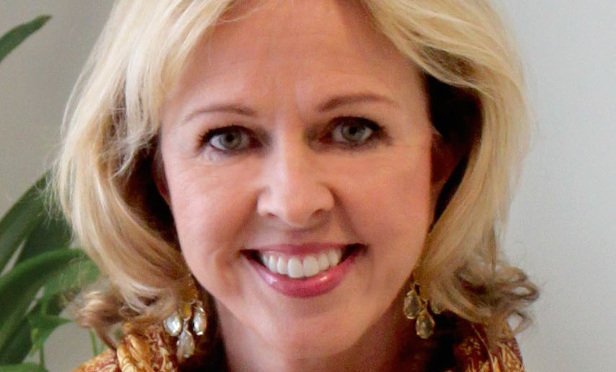
IRVINE, CA—Millennials, Gen-Xers and Baby Boomers are all opting for apartment living over owning a home, motivated by experience, lifestyle and affordability, Steadfast Apartment REIT III's president and affiliated director Ella Shaw Neyland tells GlobeSt.com. In 2016, the apartment acquired 2,443 units across nine properties for nearly $365 million and currently owns and/or operates more than 36,000 units in 23 states across the US.
Steadfast credits its success to a unique strategy of acquiring class-B properties in B markets, properties which it has found often perform as well—if not better than—their luxury counterparts. We spoke with Neyland about the current apartment rental pool and how she sees it changing over the next several years.
GlobeSt.com: What does the current apartment rental pool look like?
Neyland: Apartment trends are very strong, supported by historically low homeownership rates among all age groups and demographics—the Millennials, Gen Xers and Baby Boomers—who are opting for apartment living over owning a home. We call this “GenerationALL” renting. Now more than ever, today's modern renter is motivated by experience, lifestyle and affordability and less by consumerism. They choose to rent instead of own because of the flexibility, amenity-rich and social lifestyle apartment living affords. In fact, more than 50% of renters have no current plans to purchase a home.
Income is also an important contributor to the rise in rentership. People are simply earning less and are outpriced from purchasing a home. It has been estimated that many Millennials will need to save for at least 10 years to afford a 20% down payment on a home, further supporting long-term apartment fundamentals.
On the inventory front, there is a significant supply-and-demand imbalance. Although more than 300,000 new units were delivered in 2016—a 50% increase from 2015—there continues to be a 650,000-unit deficit as a result of limited new deliveries following the recent financial crisis. The supply issue is further compounded by the approximately 100,000 units that are being taken off line each year due to obsolescence. The good news is: the rental market is responding with an estimated 1,400 projects under construction across the country, according to RentCafe.com.
GlobeSt.com: What does this mean for apartment owners?
Neyland: Mid-tier rental properties where rents meet the financial needs of the average working American will likely hold the greatest value for owners because they fall within the budgets of most GenerationALL renters. Think properties that cater to incomes levels of around $35,000. Suburban communities throughout thriving markets like Austin, Denver, Atlanta and Nashville are particularly advantageous. These markets are where the majority of job growth is happening and where the cost of living is a lot more appealing. While primary markets and urban cores will always be popular, living there comes at a price.
GlobeSt.com: How do you see the rental pool changing over the next several years?
Neyland: The demographic composition should remain relatively unchanged, and the nation is projected to reach 40% rentership in just three years, adding up to 7 million new rental households by 2020. And even with low mortgage rates, it is unlikely the propensity toward renting will change as the cost of living continues to increase disproportionally to income.
Apartment demand should continue to increase dramatically over the next 15 years, but supply will remain significantly under par for several years. New deliveries will continue to chip away at demand, and among the hottest metros for new construction include cities like Houston; Dallas; Washington, DC; Austin; and Charlotte, where most of the job creation is occurring. Luxury and upscale units are likely to cool down as renters look for affordability—whether it is by choice or necessity.
GlobeSt.com: What else should our readers know about the apartment-rental pool?
Neyland: Owners operating within the middle-market sector have potential to achieve a significant competitive edge if they are able to successfully execute a “value-enhancement strategy.” It's not only owning and operating middle-market properties, but also being able to make strategic upgrades to provide “luxury-style living at affordable prices” that provides the most appreciation opportunities for owners.
Several economic factors have resulted in net positives for the multifamily sector and prices in core markets are at an all-time high. But just how long can the market continue on this trajectory? Join us at RealShare Apartments East on Feb. 28 and March 1 for insights on succeeding in the right markets as well as navigating and finding opportunities in the more challenging ones. Learn more.
IRVINE, CA—Millennials, Gen-Xers and Baby Boomers are all opting for apartment living over owning a home, motivated by experience, lifestyle and affordability, Steadfast Apartment REIT III's president and affiliated director Ella Shaw Neyland tells GlobeSt.com. In 2016, the apartment acquired 2,443 units across nine properties for nearly $365 million and currently owns and/or operates more than 36,000 units in 23 states across the US.
Steadfast credits its success to a unique strategy of acquiring class-B properties in B markets, properties which it has found often perform as well—if not better than—their luxury counterparts. We spoke with Neyland about the current apartment rental pool and how she sees it changing over the next several years.
GlobeSt.com: What does the current apartment rental pool look like?
Neyland: Apartment trends are very strong, supported by historically low homeownership rates among all age groups and demographics—the Millennials, Gen Xers and Baby Boomers—who are opting for apartment living over owning a home. We call this “GenerationALL” renting. Now more than ever, today's modern renter is motivated by experience, lifestyle and affordability and less by consumerism. They choose to rent instead of own because of the flexibility, amenity-rich and social lifestyle apartment living affords. In fact, more than 50% of renters have no current plans to purchase a home.
Income is also an important contributor to the rise in rentership. People are simply earning less and are outpriced from purchasing a home. It has been estimated that many Millennials will need to save for at least 10 years to afford a 20% down payment on a home, further supporting long-term apartment fundamentals.
On the inventory front, there is a significant supply-and-demand imbalance. Although more than 300,000 new units were delivered in 2016—a 50% increase from 2015—there continues to be a 650,000-unit deficit as a result of limited new deliveries following the recent financial crisis. The supply issue is further compounded by the approximately 100,000 units that are being taken off line each year due to obsolescence. The good news is: the rental market is responding with an estimated 1,400 projects under construction across the country, according to RentCafe.com.
GlobeSt.com: What does this mean for apartment owners?
Neyland: Mid-tier rental properties where rents meet the financial needs of the average working American will likely hold the greatest value for owners because they fall within the budgets of most GenerationALL renters. Think properties that cater to incomes levels of around $35,000. Suburban communities throughout thriving markets like Austin, Denver, Atlanta and Nashville are particularly advantageous. These markets are where the majority of job growth is happening and where the cost of living is a lot more appealing. While primary markets and urban cores will always be popular, living there comes at a price.
GlobeSt.com: How do you see the rental pool changing over the next several years?
Neyland: The demographic composition should remain relatively unchanged, and the nation is projected to reach 40% rentership in just three years, adding up to 7 million new rental households by 2020. And even with low mortgage rates, it is unlikely the propensity toward renting will change as the cost of living continues to increase disproportionally to income.
Apartment demand should continue to increase dramatically over the next 15 years, but supply will remain significantly under par for several years. New deliveries will continue to chip away at demand, and among the hottest metros for new construction include cities like Houston; Dallas; Washington, DC; Austin; and Charlotte, where most of the job creation is occurring. Luxury and upscale units are likely to cool down as renters look for affordability—whether it is by choice or necessity.
GlobeSt.com: What else should our readers know about the apartment-rental pool?
Neyland: Owners operating within the middle-market sector have potential to achieve a significant competitive edge if they are able to successfully execute a “value-enhancement strategy.” It's not only owning and operating middle-market properties, but also being able to make strategic upgrades to provide “luxury-style living at affordable prices” that provides the most appreciation opportunities for owners.
Several economic factors have resulted in net positives for the multifamily sector and prices in core markets are at an all-time high. But just how long can the market continue on this trajectory? Join us at RealShare Apartments East on Feb. 28 and March 1 for insights on succeeding in the right markets as well as navigating and finding opportunities in the more challenging ones. Learn more.
© Arc, All Rights Reserved. Request academic re-use from www.copyright.com. All other uses, submit a request to TMSalesOperations@arc-network.com. For more information visit Asset & Logo Licensing.