LOS ANGELES—Despite city efforts to expand the public transportation system, residents are still concerned about congestion. Measure S is one manifestation, at least in part, about city overcrowding and more traffic, but the latest is the city's bid to host the 2024 Olympics. Concerns about congestion during the Olympic Games are rising, and Beacon Economics, which has analyzed the impact of the 2024 games, says that congestion is an obstacle.
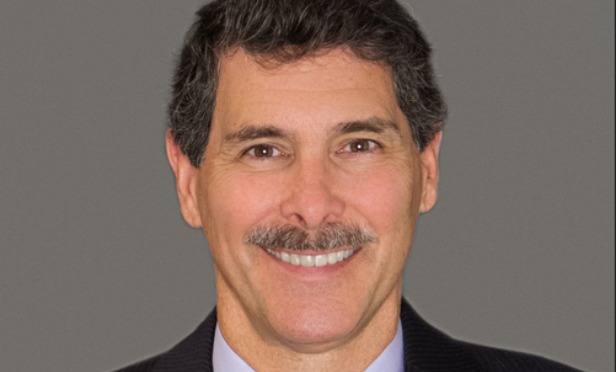
“There has to be a concern about how congestion will be heightened,” Robert Kleinhenz, executive director of research at Beacon Economics, tells GlobeSt.com. “There will be more extensions to the existing passenger rail system, the subway and light rail system, by the time 2024 rolls around, so that should accommodate some of the transportation to the venues. Whether or not that happens will remain to be seen.”
A recent report from Beacon Economics showed that the Olympics would generate $11 billion in economic output in Los Angeles and $18 billion nationally. The report also showed a major boost in temporary employment, as well. However, Kleinhenz says that the congestion and potential loss of work and productivity from employees may offset these gains. “In the 1984 Olympics, there was a real concern about whether or not the games would be a burden on traffic, turning an already congested city into a totally gridlocked area,” he explains. “Residents managed to get around that problem by changing workdays, a lot of people took vacations and left town and some companies even shut down with mandatory vacation. It turned out the temporary spike in activity was tied to the Olympics was also a source of congestion for the residents. That is still one of the concerns for L.A., and I am not sure how the Olympic committee plans to address it.” A release from the LA 2024 commission estimated a net neutral for the games, thanks to existing infrastructure and no public spending.
The concerns about congestion are not new to Los Angeles, but in a city that is growing rapidly, the urgency to find a fast solution has only intensified.
LOS ANGELES—Despite city efforts to expand the public transportation system, residents are still concerned about congestion. Measure S is one manifestation, at least in part, about city overcrowding and more traffic, but the latest is the city's bid to host the 2024 Olympics. Concerns about congestion during the Olympic Games are rising, and Beacon Economics, which has analyzed the impact of the 2024 games, says that congestion is an obstacle.
“There has to be a concern about how congestion will be heightened,” Robert Kleinhenz, executive director of research at Beacon Economics, tells GlobeSt.com. “There will be more extensions to the existing passenger rail system, the subway and light rail system, by the time 2024 rolls around, so that should accommodate some of the transportation to the venues. Whether or not that happens will remain to be seen.”
A recent report from Beacon Economics showed that the Olympics would generate $11 billion in economic output in Los Angeles and $18 billion nationally. The report also showed a major boost in temporary employment, as well. However, Kleinhenz says that the congestion and potential loss of work and productivity from employees may offset these gains. “In the 1984 Olympics, there was a real concern about whether or not the games would be a burden on traffic, turning an already congested city into a totally gridlocked area,” he explains. “Residents managed to get around that problem by changing workdays, a lot of people took vacations and left town and some companies even shut down with mandatory vacation. It turned out the temporary spike in activity was tied to the Olympics was also a source of congestion for the residents. That is still one of the concerns for L.A., and I am not sure how the Olympic committee plans to address it.” A release from the LA 2024 commission estimated a net neutral for the games, thanks to existing infrastructure and no public spending.
The concerns about congestion are not new to Los Angeles, but in a city that is growing rapidly, the urgency to find a fast solution has only intensified.
© Arc, All Rights Reserved. Request academic re-use from www.copyright.com. All other uses, submit a request to TMSalesOperations@arc-network.com. For more information visit Asset & Logo Licensing.