LOS ANGELES—Core-focused multifamily institutional capital has arrived in the Long Beach market, and it is a sure sign that the market has momentum. Long Beach has grown tremendously in the past few years, seeing a resurgence of development, retail and office demand. Today, there are 2,000 multifamily units in the pipeline, public transportation and a healthy job market—all fundamentals that has the market popping onto the radar of institutional investors.
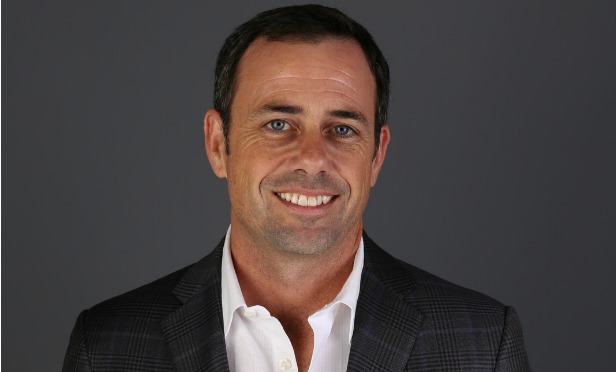
“In an urban location like Long Beach, all of the elements are there for it to be a great place,” Brett Betzler, a director at Moran & Co., tells GlobeSt.com. “You have the light rail system; you have a historic downtown area; a place with restaurants and entertainment. What I think really makes a change is when the money starts to trickle and you start to see new development. The first few developments are often a little gun shy, and developers will come in with a value product for people who already live in the area. From there, the next developer takes it a step further until you have built a critical mass.”
The Current and The Edison, two new luxury amenitized apartment properties, were catalysts for the Downtown Long Beach submarket, and proved that there was demand for luxury living there. “In Downtown Long Beach, you have the Current and the Edison, which are high-end properties,” says Betzler. “The people that are moving into those properties have great incomes, and that is bringing a lot of additional retail to the area. There is a snowball effect that happens. Within five years and certainly within ten years, this is going to be a totally different market than it s today, and it is a good place to invest.”
Long Beach has always had a strong employment base from the aerospace and medical industries; however, the employment base is growing thanks to tech and media jobs exploding in adjacent South Bay markets. Unfortunately, there isn't enough quality housing to support the demand, a trend that is popping up all over Los Angeles. “There is a huge employment base in Long Beach, but very few modern and well-amenitized apartment buildings,” says Betzler. “Thee whole market has been built out for decades, and within a 10-mile radius of Downtown Long Beach, there are only five or six well-amenitized apartment buildings, and that is very unusual for a market with a population and job base as large as Downtown Long Beach.”
While there is a small stock of quality, stabilized apartment housing for this new institutional capital, there are plenty of ways to break into the market. “There are a number of properties that are being built. It isn't like Downtown Los Angeles, but there are several properties that are coming out of the ground. Some of those will be long-term holds for the developers and some will come to market,” says Betzler. “The other thing you are starting to see happen is the renovation of older properties and some instances of adaptive reuse. There are a number of ways to get in even if there isn't a large inventory of modern properties.”
When properties do come to market, institutions are getting competitive. Betzler says that these deals get multiple offers and prices are on the rise as a result. While he doesn't have any specific predictions about how the market will play out in 2017, he is confident that the market will continue on this upward path over the next five to 10 years.
LOS ANGELES—Core-focused multifamily institutional capital has arrived in the Long Beach market, and it is a sure sign that the market has momentum. Long Beach has grown tremendously in the past few years, seeing a resurgence of development, retail and office demand. Today, there are 2,000 multifamily units in the pipeline, public transportation and a healthy job market—all fundamentals that has the market popping onto the radar of institutional investors.
“In an urban location like Long Beach, all of the elements are there for it to be a great place,” Brett Betzler, a director at Moran & Co., tells GlobeSt.com. “You have the light rail system; you have a historic downtown area; a place with restaurants and entertainment. What I think really makes a change is when the money starts to trickle and you start to see new development. The first few developments are often a little gun shy, and developers will come in with a value product for people who already live in the area. From there, the next developer takes it a step further until you have built a critical mass.”
The Current and The Edison, two new luxury amenitized apartment properties, were catalysts for the Downtown Long Beach submarket, and proved that there was demand for luxury living there. “In Downtown Long Beach, you have the Current and the Edison, which are high-end properties,” says Betzler. “The people that are moving into those properties have great incomes, and that is bringing a lot of additional retail to the area. There is a snowball effect that happens. Within five years and certainly within ten years, this is going to be a totally different market than it s today, and it is a good place to invest.”
Long Beach has always had a strong employment base from the aerospace and medical industries; however, the employment base is growing thanks to tech and media jobs exploding in adjacent South Bay markets. Unfortunately, there isn't enough quality housing to support the demand, a trend that is popping up all over Los Angeles. “There is a huge employment base in Long Beach, but very few modern and well-amenitized apartment buildings,” says Betzler. “Thee whole market has been built out for decades, and within a 10-mile radius of Downtown Long Beach, there are only five or six well-amenitized apartment buildings, and that is very unusual for a market with a population and job base as large as Downtown Long Beach.”
While there is a small stock of quality, stabilized apartment housing for this new institutional capital, there are plenty of ways to break into the market. “There are a number of properties that are being built. It isn't like Downtown Los Angeles, but there are several properties that are coming out of the ground. Some of those will be long-term holds for the developers and some will come to market,” says Betzler. “The other thing you are starting to see happen is the renovation of older properties and some instances of adaptive reuse. There are a number of ways to get in even if there isn't a large inventory of modern properties.”
When properties do come to market, institutions are getting competitive. Betzler says that these deals get multiple offers and prices are on the rise as a result. While he doesn't have any specific predictions about how the market will play out in 2017, he is confident that the market will continue on this upward path over the next five to 10 years.
© Arc, All Rights Reserved. Request academic re-use from www.copyright.com. All other uses, submit a request to TMSalesOperations@arc-network.com. For more information visit Asset & Logo Licensing.