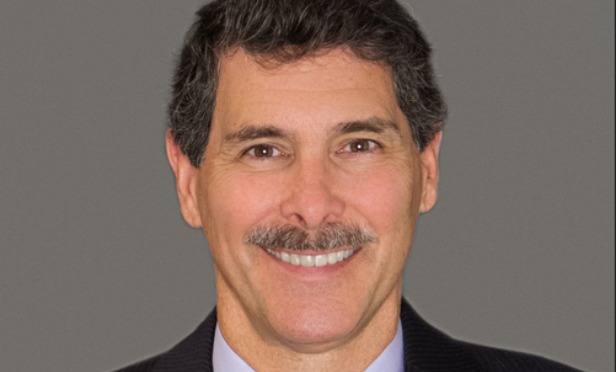
LOS ANGELES—There is no stopping it: density is coming to Los Angeles. By most expert forecasts, the city will reach 10 million residents in the next decade, becoming the most populated city in the country. Residents today are pushing back against the development boom with Measure S, which would put a two-year moratorium on zone-exempt development, and Measure JJJ, which passed in November and now requires developers to use union labor and reserve a portion of each development for low-income housing; but economist Richard Kleinhenz says that the real issue is the anti-density culture in Los Angeles. However, to accommodate the growing population—and even just the people already here—he says, we need density.
“A lot of cities in California, not just Southern California, have had an aversion to density, so they don't like the idea of building large apartment buildings or vertical development. That is a big issue,” Kleinhenz, executive director of research at Beacon Economics, tells GlobeSt.com. “We have to recognize that at some point there is a need to allow for more vertical growth. If we don't, you will stifle the region in other ways. Fundamentally, Measure S goes in the wrong direction. It stops housing at a time when we need to recognize that there is a huge need for more housing.”
Kleinhenz opposes the anti-development measures because he believes that any new supply, regardless of the price point, is good for the city. While he admits that deciding what type of housing to build is an important issue, he also believes that luxury projects have a “cascading effect,” allowing wealthier families to move up into better quality housing and opening spaces for residents in a lower pricing tier. However, he also sees a city filled with luxury housing as a positive, bringing better talent and higher paying jobs to the market. “One could make the argument that high cost living also keeps the best people for jobs, and so perhaps we could be growing faster and adding more jobs if we were able to solve our housing problem,” he says. For anti-development sympathizers, however, affordability is the key issue.
The anti-development movement targets zone-exempt developments specifically, and Kleinhenz says that updating the general plan will go a long way to help accommodate more development and ease resident animosity toward the development boom. “For many cities, the general plan needs to be revisited and updated. That general plan update should include better ways to accommodate development,” he adds. “There is no getting around increasing the density of housing in Los Angeles. There is also an idea of allowing certain developments to be proceed and be approved administratively if they met certain criteria, instead of going through the deliberative process of so many projects. Finally, CEQA can be used to stymie growth, and perhaps more than it should be. CEQA is really due for reform just as the general plan in most cities is due for updating.”
Pushing back against density in Los Angeles isn't new. The city, and really the West Coast in general, has always had a fondness for space and sprawl. When populations increase, residents have a history of pushing back at the ballot. “This is the fourth time in 20 years that the issue of a housing shortage has become front and center as a key policy issue,” Kleinhenz explains. “When the economy is doing well or very well, then affordability and housing affordability really become public policy issues. It is something that larger metropolitan areas around the state have to grapple with.”
LOS ANGELES—There is no stopping it: density is coming to Los Angeles. By most expert forecasts, the city will reach 10 million residents in the next decade, becoming the most populated city in the country. Residents today are pushing back against the development boom with Measure S, which would put a two-year moratorium on zone-exempt development, and Measure JJJ, which passed in November and now requires developers to use union labor and reserve a portion of each development for low-income housing; but economist Richard Kleinhenz says that the real issue is the anti-density culture in Los Angeles. However, to accommodate the growing population—and even just the people already here—he says, we need density.
“A lot of cities in California, not just Southern California, have had an aversion to density, so they don't like the idea of building large apartment buildings or vertical development. That is a big issue,” Kleinhenz, executive director of research at Beacon Economics, tells GlobeSt.com. “We have to recognize that at some point there is a need to allow for more vertical growth. If we don't, you will stifle the region in other ways. Fundamentally, Measure S goes in the wrong direction. It stops housing at a time when we need to recognize that there is a huge need for more housing.”
Kleinhenz opposes the anti-development measures because he believes that any new supply, regardless of the price point, is good for the city. While he admits that deciding what type of housing to build is an important issue, he also believes that luxury projects have a “cascading effect,” allowing wealthier families to move up into better quality housing and opening spaces for residents in a lower pricing tier. However, he also sees a city filled with luxury housing as a positive, bringing better talent and higher paying jobs to the market. “One could make the argument that high cost living also keeps the best people for jobs, and so perhaps we could be growing faster and adding more jobs if we were able to solve our housing problem,” he says. For anti-development sympathizers, however, affordability is the key issue.
The anti-development movement targets zone-exempt developments specifically, and Kleinhenz says that updating the general plan will go a long way to help accommodate more development and ease resident animosity toward the development boom. “For many cities, the general plan needs to be revisited and updated. That general plan update should include better ways to accommodate development,” he adds. “There is no getting around increasing the density of housing in Los Angeles. There is also an idea of allowing certain developments to be proceed and be approved administratively if they met certain criteria, instead of going through the deliberative process of so many projects. Finally, CEQA can be used to stymie growth, and perhaps more than it should be. CEQA is really due for reform just as the general plan in most cities is due for updating.”
Pushing back against density in Los Angeles isn't new. The city, and really the West Coast in general, has always had a fondness for space and sprawl. When populations increase, residents have a history of pushing back at the ballot. “This is the fourth time in 20 years that the issue of a housing shortage has become front and center as a key policy issue,” Kleinhenz explains. “When the economy is doing well or very well, then affordability and housing affordability really become public policy issues. It is something that larger metropolitan areas around the state have to grapple with.”
© Arc, All Rights Reserved. Request academic re-use from www.copyright.com. All other uses, submit a request to TMSalesOperations@arc-network.com. For more information visit Asset & Logo Licensing.