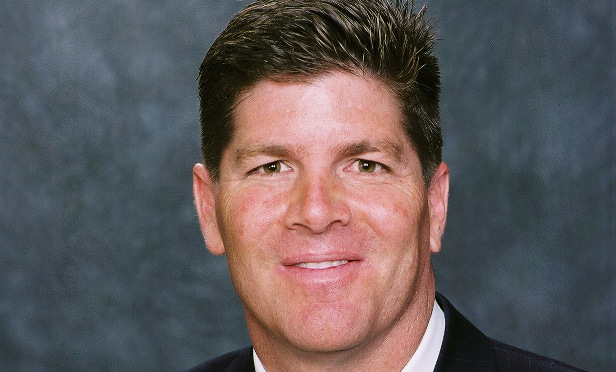
SAN DIEGO—It is important to have a grasp of the local market, competition and demand when taking on former grocery-store properties in order to reposition them successfully, Retail Insite broker Mike Moser tells GlobeSt.com. Moser recently represented Brixton Capital in the acquisition of a 55,000-square-foot retail property at 14340 Penasquitos Dr. here from Florida-based HH Property Holdings for what Real Capital Analytics reports was $1.9 million.
Brixton plans to renovate and reposition the former Albertsons grocery store building, most recently occupied by Haggen. The company has already entered into a $12-million long-term lease with Floor & Décor for the entire premises.
We spoke with Moser about the transaction and the challenges of repositioning assets that used to be grocery stores.
GlobeSt.com: What are the challenges in repositioning former grocery-store properties?
Moser: Challenges can be heavily influenced by the market in which the asset is located. In the more desirable trade areas where box retail space is scarce, very heavy demand typically exists for these spaces, and most challenges are avoided. However, in the event the space is especially large, demising plans need to be examined, and relative demand to fill various sizes of space has to be evaluated. In larger centers, restrictions on use or exclusives that can impact the types of replacement tenants allowed may exist. It is important to have a grasp of the local market, competition and demand when taking on properties.
GlobeSt.com: How common is it for these types of repositionings to occur given the recent shakeups in the grocery-store sector?
Moser: More activity has transpired in this space over the past few years, particularly given the merger activity and failure of some grocery concepts. The Safeway/Albertsons merger created a number of stores taken by Haggen, which subsequently failed. Heavy demand mostly kept these spaces from really hitting the open market for investors, as they were taken by other grocery competitors directly. The failure of Fresh & Easy also created many smaller-sized grocery sites that, for the most part, have been already absorbed. In general, it is not common to see much turnover in the grocery-store space, and more opportunity has presented with larger boxes for major retailers.
GlobeSt.com: What trends are you noticing in the retail sector that you anticipate to continue in 2017?
Moser: We should continue to see consolidation within some sectors. The recent announcement of department-store closings is one such example. We also see continued increases in shopping online, however this is still a smaller percentage of overall consumer spending, and we see many online retailers going to a brick-and-mortar store opening strategy as well. The best retailers are those that can be successful in both, and having a store presence can help boost online sales. We have seen an abundance of new restaurant activity over the past few years, so there will be pressure to perform in this segment. Some growth markets have great demand, but some seem to have reached saturation points, possibly leading to some turnover—perhaps from older, tired concepts, the hip/trendy spot two years ago that is no longer the hip spot, etc.
GlobeSt.com: What else should our readers know about this particular transaction?
Moser: This transaction had complexities given it was a leasehold purchase, so it was critical to review and understand the underlying documents and make sure we had a great tenant solution for the repositioning. Fortunately, demand was strong for the space, and we were able to secure a user for the entire box that will do extremely well at this location.
SAN DIEGO—It is important to have a grasp of the local market, competition and demand when taking on former grocery-store properties in order to reposition them successfully, Retail Insite broker Mike Moser tells GlobeSt.com. Moser recently represented Brixton Capital in the acquisition of a 55,000-square-foot retail property at 14340 Penasquitos Dr. here from Florida-based HH Property Holdings for what Real Capital Analytics reports was $1.9 million.
Brixton plans to renovate and reposition the former Albertsons grocery store building, most recently occupied by Haggen. The company has already entered into a $12-million long-term lease with Floor & Décor for the entire premises.
We spoke with Moser about the transaction and the challenges of repositioning assets that used to be grocery stores.
GlobeSt.com: What are the challenges in repositioning former grocery-store properties?
Moser: Challenges can be heavily influenced by the market in which the asset is located. In the more desirable trade areas where box retail space is scarce, very heavy demand typically exists for these spaces, and most challenges are avoided. However, in the event the space is especially large, demising plans need to be examined, and relative demand to fill various sizes of space has to be evaluated. In larger centers, restrictions on use or exclusives that can impact the types of replacement tenants allowed may exist. It is important to have a grasp of the local market, competition and demand when taking on properties.
GlobeSt.com: How common is it for these types of repositionings to occur given the recent shakeups in the grocery-store sector?
Moser: More activity has transpired in this space over the past few years, particularly given the merger activity and failure of some grocery concepts. The Safeway/Albertsons merger created a number of stores taken by Haggen, which subsequently failed. Heavy demand mostly kept these spaces from really hitting the open market for investors, as they were taken by other grocery competitors directly. The failure of Fresh & Easy also created many smaller-sized grocery sites that, for the most part, have been already absorbed. In general, it is not common to see much turnover in the grocery-store space, and more opportunity has presented with larger boxes for major retailers.
GlobeSt.com: What trends are you noticing in the retail sector that you anticipate to continue in 2017?
Moser: We should continue to see consolidation within some sectors. The recent announcement of department-store closings is one such example. We also see continued increases in shopping online, however this is still a smaller percentage of overall consumer spending, and we see many online retailers going to a brick-and-mortar store opening strategy as well. The best retailers are those that can be successful in both, and having a store presence can help boost online sales. We have seen an abundance of new restaurant activity over the past few years, so there will be pressure to perform in this segment. Some growth markets have great demand, but some seem to have reached saturation points, possibly leading to some turnover—perhaps from older, tired concepts, the hip/trendy spot two years ago that is no longer the hip spot, etc.
GlobeSt.com: What else should our readers know about this particular transaction?
Moser: This transaction had complexities given it was a leasehold purchase, so it was critical to review and understand the underlying documents and make sure we had a great tenant solution for the repositioning. Fortunately, demand was strong for the space, and we were able to secure a user for the entire box that will do extremely well at this location.
© Arc, All Rights Reserved. Request academic re-use from www.copyright.com. All other uses, submit a request to TMSalesOperations@arc-network.com. For more information visit Asset & Logo Licensing.