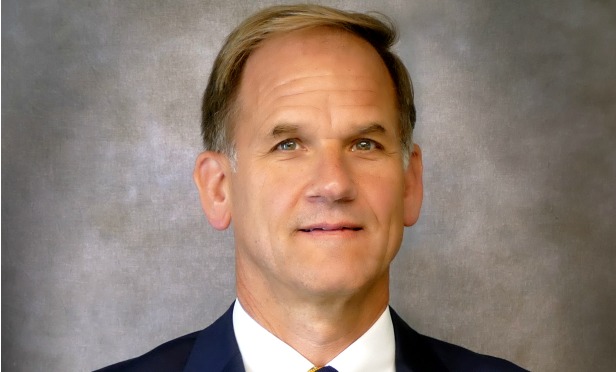
LOS ANGELES—Despite a healthy year, the retail market saw a slow down at the end of 2016, according to the 4Q16 retail report from CBRE. Tim Genske, SVP at CBRE, attributes the slowdown to nearly 500,000 square feet of big box store space that came online as a result of a slew of store and company closures announced earlier in the year. Among the retail companies to shutter was Sports Authority, Sports Chalet, Golf Smith, PacSun and Aeropostale, while other brands, like Macys and Kohl's closed select locations.
“The big news last year was a number of bankruptcies that dumped a lot of space onto the market,” Genske tells GlobeSt.com. “A lot of it hit in the third and fourth quarter. We had in the sporting goods sector, we had Sports Chalet, Sports Authority and Golf Smith all go chapter 11, and we had PacSun and Aeropostale go chapter 11, which are primarily mall tenants. There are a few other tenants that didn't go away but shrunk, like Kohl's Department Stores exited the L.A. market. So, our net absorption of vacancy boxes actually went negative in the fourth quarter in a few areas of Southern California.”
While the shuttering definitely had an impact on the Los Angeles market, Genske says that they were limited to specific submarkets, particularly submarkets that are more susceptible to recessionary periods, like Palmdale and the Antelope Valley. “We picked up almost a half million square feet of space that is sitting dark. If you begin to break it down by parts of Southern California, and it is concentrated in a few areas,” says Genske. “Ventura County picked up 372,000 square feet, so out of the 450,000 square feet of space, 372,000 was in Ventura. The tri-cities market only went negative a few thousand square feet of space.”
The surplus stock, however, is being absorbed, and Genske says that actually shows the health of the retail sector. “We pick up a lot of vacant boxes all at once. Two out of three of the biggest players in sporting goods went away at the same time,” he explains. “It is really unprecedented. The boxes are getting absorbed relatively quickly for how much space it is, and that is really a sign of the health of the market.”
The shutterings are not over. This year, we can expect more store closures, particularly in the department store sector, which is following a similar industry-wide pattern as the sporting goods industry did in 2016. “There are some industries that comped negative for the year, and it is rare in retail that you are negative,” adds Genske. “You might be flat, but for a sector to comp negative is significant. Department stores comped negative 7% last year, so they are in even more trouble. That is the next wave of boxes that is going to hit this year.”
LOS ANGELES—Despite a healthy year, the retail market saw a slow down at the end of 2016, according to the 4Q16 retail report from CBRE. Tim Genske, SVP at CBRE, attributes the slowdown to nearly 500,000 square feet of big box store space that came online as a result of a slew of store and company closures announced earlier in the year. Among the retail companies to shutter was Sports Authority, Sports Chalet, Golf Smith, PacSun and Aeropostale, while other brands, like Macys and Kohl's closed select locations.
“The big news last year was a number of bankruptcies that dumped a lot of space onto the market,” Genske tells GlobeSt.com. “A lot of it hit in the third and fourth quarter. We had in the sporting goods sector, we had Sports Chalet, Sports Authority and Golf Smith all go chapter 11, and we had PacSun and Aeropostale go chapter 11, which are primarily mall tenants. There are a few other tenants that didn't go away but shrunk, like Kohl's Department Stores exited the L.A. market. So, our net absorption of vacancy boxes actually went negative in the fourth quarter in a few areas of Southern California.”
While the shuttering definitely had an impact on the Los Angeles market, Genske says that they were limited to specific submarkets, particularly submarkets that are more susceptible to recessionary periods, like Palmdale and the Antelope Valley. “We picked up almost a half million square feet of space that is sitting dark. If you begin to break it down by parts of Southern California, and it is concentrated in a few areas,” says Genske. “Ventura County picked up 372,000 square feet, so out of the 450,000 square feet of space, 372,000 was in Ventura. The tri-cities market only went negative a few thousand square feet of space.”
The surplus stock, however, is being absorbed, and Genske says that actually shows the health of the retail sector. “We pick up a lot of vacant boxes all at once. Two out of three of the biggest players in sporting goods went away at the same time,” he explains. “It is really unprecedented. The boxes are getting absorbed relatively quickly for how much space it is, and that is really a sign of the health of the market.”
The shutterings are not over. This year, we can expect more store closures, particularly in the department store sector, which is following a similar industry-wide pattern as the sporting goods industry did in 2016. “There are some industries that comped negative for the year, and it is rare in retail that you are negative,” adds Genske. “You might be flat, but for a sector to comp negative is significant. Department stores comped negative 7% last year, so they are in even more trouble. That is the next wave of boxes that is going to hit this year.”
© Arc, All Rights Reserved. Request academic re-use from www.copyright.com. All other uses, submit a request to TMSalesOperations@arc-network.com. For more information visit Asset & Logo Licensing.