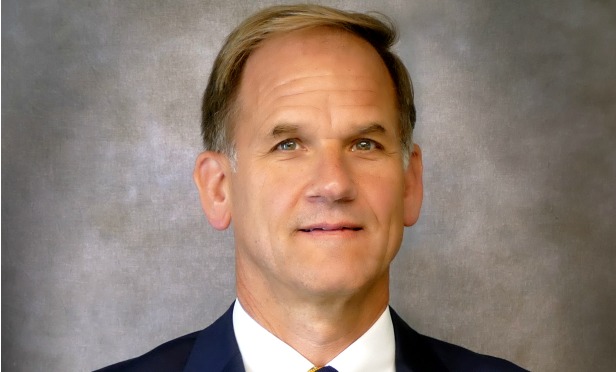
LOS ANGELES—Daily needs retail users are going to drive retail development in 2017. The retail niche was a major driver of the market in 2016, and it isn't expected to slow down this year, according to Tim Genske, SVP at CBRE and a retail expert. Daily needs users, especially smaller users, are experiencing major growth and are looking for new locations.
“The daily needs are going to continue to drive retail development and opportunities,” Genske tells GlobeSt.com. “The grocery market is competitive, and the convention markets in the middle—Vons, Ralphs and Albertsons, are fighting to keep turf. They keep shrinking in the percentage of the grocery business that they control, and Sprouts and Smart and Final are encroaching it their business. The big box grocery is not as active, but there is still a lot of demand for new stores from those up-and-coming chains. Those chains are looking for more space. That is not going away. Daily needs is going to continue to be a catalyst for new development in retail.”
One of the reasons that grocery and daily needs has become so popular is because grocery is one area of retail that hasn't—and likely can't—move to an ecommerce model. “Grocery isn't going to ecommerce,” says Genske. “So, those are good anchors for centers and they help drive traffic.” Retail investors in 2016 created strategies focused on daily needs, and with these businesses likely to continue to expand this year, the market will remain a target for investors.
On of the key ways that we can expect daily needs to expand is through prepared food service. Fast casual restaurants have also been a key driver for the retail market, and this is one area where grocery stores can gain market share. In 2016, grocery sales of prepared foods skyrocketed to $30.8 billion, more than double the $13 million in prepared food sales that the industry did in 2005. “The grocery guys are blurring the line with the fast casual restaurants,” says Genske. “Groceries that have a prepared food service are competing for the same demographic that the fast casual restaurants are. We have seen a lot of growth in that space, and there is going to be more growth in 2017. This is an avenue of growth in the grocery business for everyone.”
LOS ANGELES—Daily needs retail users are going to drive retail development in 2017. The retail niche was a major driver of the market in 2016, and it isn't expected to slow down this year, according to Tim Genske, SVP at CBRE and a retail expert. Daily needs users, especially smaller users, are experiencing major growth and are looking for new locations.
“The daily needs are going to continue to drive retail development and opportunities,” Genske tells GlobeSt.com. “The grocery market is competitive, and the convention markets in the middle—Vons, Ralphs and Albertsons, are fighting to keep turf. They keep shrinking in the percentage of the grocery business that they control, and Sprouts and Smart and Final are encroaching it their business. The big box grocery is not as active, but there is still a lot of demand for new stores from those up-and-coming chains. Those chains are looking for more space. That is not going away. Daily needs is going to continue to be a catalyst for new development in retail.”
One of the reasons that grocery and daily needs has become so popular is because grocery is one area of retail that hasn't—and likely can't—move to an ecommerce model. “Grocery isn't going to ecommerce,” says Genske. “So, those are good anchors for centers and they help drive traffic.” Retail investors in 2016 created strategies focused on daily needs, and with these businesses likely to continue to expand this year, the market will remain a target for investors.
On of the key ways that we can expect daily needs to expand is through prepared food service. Fast casual restaurants have also been a key driver for the retail market, and this is one area where grocery stores can gain market share. In 2016, grocery sales of prepared foods skyrocketed to $30.8 billion, more than double the $13 million in prepared food sales that the industry did in 2005. “The grocery guys are blurring the line with the fast casual restaurants,” says Genske. “Groceries that have a prepared food service are competing for the same demographic that the fast casual restaurants are. We have seen a lot of growth in that space, and there is going to be more growth in 2017. This is an avenue of growth in the grocery business for everyone.”
© Arc, All Rights Reserved. Request academic re-use from www.copyright.com. All other uses, submit a request to TMSalesOperations@arc-network.com. For more information visit Asset & Logo Licensing.