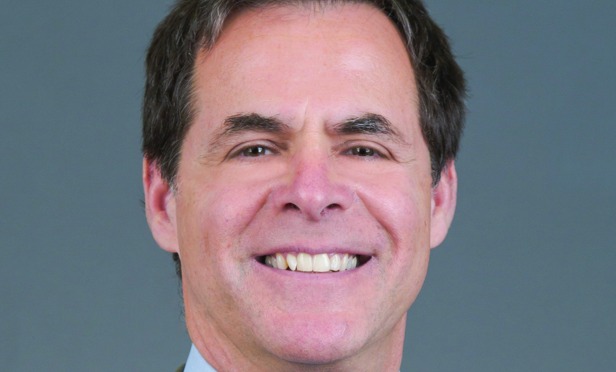
LOS ANGELES—Earlier this month, California Senator Dianne Feinstein and Iowa Senator Chuck Grassley proposed legislation that would greatly change or eliminate EB-5 financing, which gives green cards to foreign investors that make US investments that help create jobs. While this is a national program and not exclusive to the real estate market, EB-5 financing is very popular among Asian developers with projects in Los Angeles. To find out more about the proposed legislation, what the eliminating the program could mean for Los Angeles and the support the legislation is getting in Washington, we sat down with Mitchell Wexler, a partner at Fragomen, for an exclusive interview.
GlobeSt.com: How will the elimination of the EB-5 program affect commercial real estate markets, mainly in southern California?
Mitch Wexler: Over the past 8 years or so, EB-5 financing has gotten very mainstream. It is no longer viewed as an exotic financing vehicle. Many large-scale projects has EB-5 in it capital stack even if only representing 20-25% of the raise. Since EB-5 financing is relatively cheap, the elimination of the program would increase the cost of impacted projects resulting in lower valuations leading to less money being infused into local economies
GlobeSt.com: What is the general response to this proposal? Is it getting support? Wexler: From negative to 'not going to happen.' Conventional wisdom seems to be taking the position that the Feinstein-Grassley bill was merely to put a stake in the ground during the process of negotiating on critical terms of EB-5 reform. The profile of a typical EB-5 applicant is highly educated, entrepreneurial, smart, successful, uber goods consuming, job creating people. Other countries are competing for these individuals.
GleobSt.com: With so much investment from Asia, could Los Angeles be affected differently than other markets?
Wexler: EB-5 projects are all over the country, and not all EB-5 projects are real estate plays. Some others involve franchise financing, ski resorts, entertainment, alternative energy, tech, manufacturing, public-private infrastructure, etc. Considering L.A.'s diversity, it likely will be impacted to a more significant degree than other regions.
GlobeSt.com: What is the future of EB-5 financing?
Wexler: I believe needed reform will come to the program and it will continue to evolve, mature and improve over time. The proposed rule that is pending is certainly addressing some of the things needed to improve the program and recognizes the merits of the program, which provides significant foreign capital being deployed into numerous us projects on a very cost effective basis. By definition, EB-5 is also a job creation program so both of these objectives are being achieved at no cost to the taxpayers. It makes little sense to throw the baby out with the bath water.
GlobeSt.com: What do you think should change about the program?
Wexler: I agree the investment amounts should go up a bit since it has not even gone up as fast as inflation since the advent of the program in 1990. I also agree that more rigor needs to be applied to regional centers and their operators.
LOS ANGELES—Earlier this month, California Senator Dianne Feinstein and Iowa Senator Chuck Grassley proposed legislation that would greatly change or eliminate EB-5 financing, which gives green cards to foreign investors that make US investments that help create jobs. While this is a national program and not exclusive to the real estate market, EB-5 financing is very popular among Asian developers with projects in Los Angeles. To find out more about the proposed legislation, what the eliminating the program could mean for Los Angeles and the support the legislation is getting in Washington, we sat down with Mitchell Wexler, a partner at Fragomen, for an exclusive interview.
GlobeSt.com: How will the elimination of the EB-5 program affect commercial real estate markets, mainly in southern California?
Mitch Wexler: Over the past 8 years or so, EB-5 financing has gotten very mainstream. It is no longer viewed as an exotic financing vehicle. Many large-scale projects has EB-5 in it capital stack even if only representing 20-25% of the raise. Since EB-5 financing is relatively cheap, the elimination of the program would increase the cost of impacted projects resulting in lower valuations leading to less money being infused into local economies
GlobeSt.com: What is the general response to this proposal? Is it getting support? Wexler: From negative to 'not going to happen.' Conventional wisdom seems to be taking the position that the Feinstein-Grassley bill was merely to put a stake in the ground during the process of negotiating on critical terms of EB-5 reform. The profile of a typical EB-5 applicant is highly educated, entrepreneurial, smart, successful, uber goods consuming, job creating people. Other countries are competing for these individuals.
GleobSt.com: With so much investment from Asia, could Los Angeles be affected differently than other markets?
Wexler: EB-5 projects are all over the country, and not all EB-5 projects are real estate plays. Some others involve franchise financing, ski resorts, entertainment, alternative energy, tech, manufacturing, public-private infrastructure, etc. Considering L.A.'s diversity, it likely will be impacted to a more significant degree than other regions.
GlobeSt.com: What is the future of EB-5 financing?
Wexler: I believe needed reform will come to the program and it will continue to evolve, mature and improve over time. The proposed rule that is pending is certainly addressing some of the things needed to improve the program and recognizes the merits of the program, which provides significant foreign capital being deployed into numerous us projects on a very cost effective basis. By definition, EB-5 is also a job creation program so both of these objectives are being achieved at no cost to the taxpayers. It makes little sense to throw the baby out with the bath water.
GlobeSt.com: What do you think should change about the program?
Wexler: I agree the investment amounts should go up a bit since it has not even gone up as fast as inflation since the advent of the program in 1990. I also agree that more rigor needs to be applied to regional centers and their operators.
© Arc, All Rights Reserved. Request academic re-use from www.copyright.com. All other uses, submit a request to TMSalesOperations@arc-network.com. For more information visit Asset & Logo Licensing.