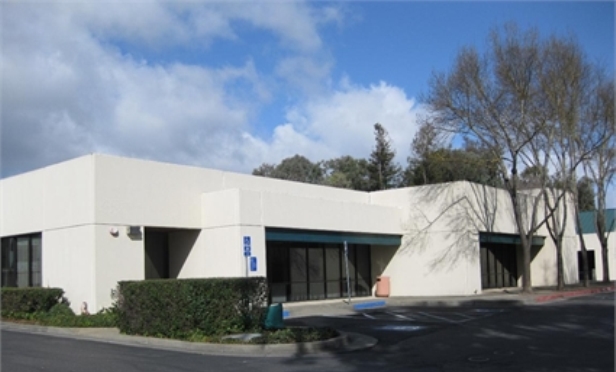
SAN FRANCISCO—Strong demographic trends support the growing medical office industry and will remain a driver in investment activity this year, GlobeSt.com learns. As a result, institutional funds and REITs are actively searching for larger deals and portfolios. Private capital is emerging as an option in the $5 million to $20 million price tranche and could begin to take a larger share of transactions this year, according to Marcus & Millichap's latest medical office research report. A rise in crossover capital is also increasing competition for medical office properties as single-tenant retail investors target similar investment opportunities in this segment for higher yields.
For-sale inventory is limited as medical office assets are in high demand with cap rates compressing during the past several years. However, on-campus medical office buildings command premium cap rates, trading at sub-6% initial yields for single-tenant properties, while multi-tenant buildings draw first-year returns in the mid-6 to low-7% range. Off-campus medical office properties with strong tenancy, which often include a healthcare system and long remaining lease terms, are also in high demand. These properties fetch initial returns in the mid-6% area. Yields on other off-campus medical assets, including those in need of repositioning or located in secondary or tertiary markets, can trade up to 200 basis points higher. Factors such as quality, location, deferred maintenance and tenancy have an impact on returns for these assets, says Marcus & Millichap.
In keeping with that upward trend in acquisitions, Stockdale Capital Partners has announced a programmatic joint venture with Quilvest, an independent wealth manager and private equity investor, to acquire medical office buildings in the Western United States. Stockdale will source, analyze and execute hospital-anchored medical office transactions on behalf of the venture with a focus on renovating, re-tenanting or re-positioning assets throughout the target markets. Stockdale's growing medical office portfolio and hospital system relationships have driven a strong pipeline of opportunities that will continue to yield unique investments.
“This joint venture continues our activity in the medical office sector across the Southwest, which we continue to believe offers one of the most attractive risk-rewards in US real estate today. We have a strong pipeline of opportunities in key Western markets,” said Daniel Michaels, managing director at Stockdale Capital Partners. “We are excited to partner with a best-in-class global investor such as Quilvest to execute these investments.”
Michaels indicated that the first transaction for the new investment venture closed recently in the Portland market. Earlier this year, the firm formed a $100 million venture with a global institutional investor to acquire core-plus medical office buildings in Los Angeles and a $75 million partnership with private equity fund Siguler Guff for value-add investments across the Southwest. Both programs have announced acquisitions since launching. In September, the firm announced a major venture with UK-based Grosvenor Group and San Diego's Ace Parking to acquire and own parking assets across the Southwest. The venture acquired its first asset last month, the SOMA Grand Garage in San Francisco.
“This joint venture underpins Quilvest's focus on healthcare real estate–a sector that is uniquely positioned to benefit from favorable demographic trends, an evolving regulatory environment and a growing deficit of supply suitable for current needs,” says Barry Hammerman, partner at Quilvest. “As an experienced owner/operator in high-growth markets along the Western US, Stockdale understands the needs of the current generation of healthcare providers, and we look forward to working with Stockdale as we expand our portfolio in the region.”
Marcus & Millichap points to the aging US population as a significant driver in the nation's healthcare industry going forward. As the 65-and-older age segment increases by 20 million individuals during the next 10 years, demand for healthcare services will rise. While the baby boomer generation has a huge impact on the current growth of the healthcare industry, the millennial generation, which has surpassed the baby boomers in size, is driving a major shift in the care delivery model of the future. This generation processes healthcare information differently and requires alterations in the overall medical real estate landscape.
SAN FRANCISCO—Strong demographic trends support the growing medical office industry and will remain a driver in investment activity this year, GlobeSt.com learns. As a result, institutional funds and REITs are actively searching for larger deals and portfolios. Private capital is emerging as an option in the $5 million to $20 million price tranche and could begin to take a larger share of transactions this year, according to Marcus & Millichap's latest medical office research report. A rise in crossover capital is also increasing competition for medical office properties as single-tenant retail investors target similar investment opportunities in this segment for higher yields.
For-sale inventory is limited as medical office assets are in high demand with cap rates compressing during the past several years. However, on-campus medical office buildings command premium cap rates, trading at sub-6% initial yields for single-tenant properties, while multi-tenant buildings draw first-year returns in the mid-6 to low-7% range. Off-campus medical office properties with strong tenancy, which often include a healthcare system and long remaining lease terms, are also in high demand. These properties fetch initial returns in the mid-6% area. Yields on other off-campus medical assets, including those in need of repositioning or located in secondary or tertiary markets, can trade up to 200 basis points higher. Factors such as quality, location, deferred maintenance and tenancy have an impact on returns for these assets, says Marcus & Millichap.
In keeping with that upward trend in acquisitions, Stockdale Capital Partners has announced a programmatic joint venture with Quilvest, an independent wealth manager and private equity investor, to acquire medical office buildings in the Western United States. Stockdale will source, analyze and execute hospital-anchored medical office transactions on behalf of the venture with a focus on renovating, re-tenanting or re-positioning assets throughout the target markets. Stockdale's growing medical office portfolio and hospital system relationships have driven a strong pipeline of opportunities that will continue to yield unique investments.
“This joint venture continues our activity in the medical office sector across the Southwest, which we continue to believe offers one of the most attractive risk-rewards in US real estate today. We have a strong pipeline of opportunities in key Western markets,” said Daniel Michaels, managing director at Stockdale Capital Partners. “We are excited to partner with a best-in-class global investor such as Quilvest to execute these investments.”
Michaels indicated that the first transaction for the new investment venture closed recently in the Portland market. Earlier this year, the firm formed a $100 million venture with a global institutional investor to acquire core-plus medical office buildings in Los Angeles and a $75 million partnership with private equity fund Siguler Guff for value-add investments across the Southwest. Both programs have announced acquisitions since launching. In September, the firm announced a major venture with UK-based Grosvenor Group and San Diego's Ace Parking to acquire and own parking assets across the Southwest. The venture acquired its first asset last month, the SOMA Grand Garage in San Francisco.
“This joint venture underpins Quilvest's focus on healthcare real estate–a sector that is uniquely positioned to benefit from favorable demographic trends, an evolving regulatory environment and a growing deficit of supply suitable for current needs,” says Barry Hammerman, partner at Quilvest. “As an experienced owner/operator in high-growth markets along the Western US, Stockdale understands the needs of the current generation of healthcare providers, and we look forward to working with Stockdale as we expand our portfolio in the region.”
Marcus & Millichap points to the aging US population as a significant driver in the nation's healthcare industry going forward. As the 65-and-older age segment increases by 20 million individuals during the next 10 years, demand for healthcare services will rise. While the baby boomer generation has a huge impact on the current growth of the healthcare industry, the millennial generation, which has surpassed the baby boomers in size, is driving a major shift in the care delivery model of the future. This generation processes healthcare information differently and requires alterations in the overall medical real estate landscape.
© Arc, All Rights Reserved. Request academic re-use from www.copyright.com. All other uses, submit a request to TMSalesOperations@arc-network.com. For more information visit Asset & Logo Licensing.