HOUSTON—Today, more than 40 minutes a week is spent grocery shopping, adding up to more than two full days a year, according to the Time Use Institute. JLL's latest Grocery Tracker explores four trends transforming the grocery sector to help shoppers get food into the fridge: grocerants, technology, meal delivery and more locations. As more people move into the metro area, these locations are increasingly near popular residential areas.
“Time-crunched consumers are changing the way grocers are thinking about their store's formats and products. And luckily, grocers small shifts to improve convenience through technology and prepared meals hasn't compromised quality,” said James Cook, director of retail research, JLL.
The first trend is the rise of the grocerant, a restaurant and grocery store hybrid with prepared food sections.
“In the 1950s, shoppers would head to the local grocery store once a week to get the staples: milk, bread and eggs, plus all the fixings for the week's dinners and lunches. Today, the purpose of grocery shopping is the same. The difference is that consumers don't have the time, or want to spend the time doing this necessary chore,” said Cook.
As a result, traditional grocers are becoming grocerants. People on the way home from work can stop at conventional grocers such as Mariano's, H-E-B, Hy-Vee or Kroger and grab prepared meals. But, traditional grocers aren't the only ones capitalizing on the heightened convenience kick. Dollar stores are getting into the consumables game by adding product mixes of prepared salads and sandwiches, fresh produce and frozen meals.
Technology comes to the rescue as a timesaver. A global superstore recently added a new scan-and-go app that tallies the total along the way, with payment at the front of the store. Kroger's ClickList allows ordering online and then picking up in the store, which cuts down on shopping time. 365 by Whole Foods Market provides a more affordable price by employing less people and using iPads to order food. While there may not be iPads replacing people in every grocery store in 2017, more grocers are expected to experiment with mobile ordering technologies that link to curbside pickup or deliveries.
Thirdly, meal kit delivery systems play right into consumers' desire for convenience. With products such as Blue Apron, Plated, Hello Fresh and Purple Carrot, shoppers are now able to spend quality time outside of the grocery store. But, meal kit delivery concepts aren't going to put traditional grocery stores out of business. Rather, the kits signal a shift in the way consumers are prioritizing food shopping and grocers are taking note.
In addition, there are more than 38,000 grocery stores nationwide. In 2016, more than 440 US grocery stores opened, adding 18.8 million square feet of space. Overall, Aldi and Whole Foods were the biggest movers in the sector, opening the most stores by count.
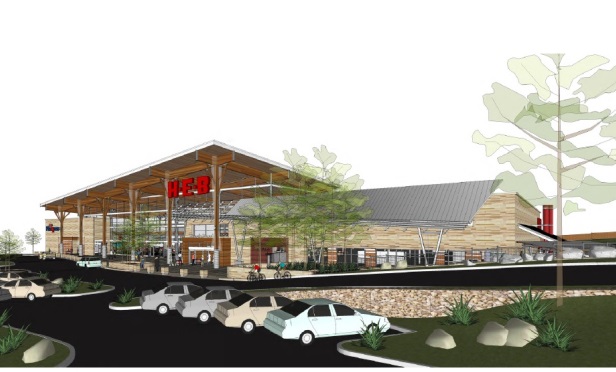
Specifically, more than 3 million square feet of grocery stores opened in Texas last year, with Kroger and H-E-B continuing the push into the Texas market. Kroger opened approximately 33% of its new stores in Texas, primarily in the suburbs, while regional power grocer H-E-B moved further into Texas.
“From a general standpoint, Houston one of the biggest markets for Kroger and H-E-B, and they are battling it out,” JLL retail team's managing director Clay Smith tells GlobeSt.com. “Randall's also has a significant presence, and Aldi and Walmart are also moving into developed and residential areas.”
Many of these are borrowing an East Coast-influenced concept of grocery stores becoming part of mixed-use developments, says Smith.
“It used to be that specialty stores like Trader Joe's and Whole Foods were the only ones that were part of those types of developments,” Smith tells GlobeSt.com. “In the live-work-play developments, there is a definite need for traditional grocers to serve the core and locate near people.”
HOUSTON—Today, more than 40 minutes a week is spent grocery shopping, adding up to more than two full days a year, according to the Time Use Institute. JLL's latest Grocery Tracker explores four trends transforming the grocery sector to help shoppers get food into the fridge: grocerants, technology, meal delivery and more locations. As more people move into the metro area, these locations are increasingly near popular residential areas.
“Time-crunched consumers are changing the way grocers are thinking about their store's formats and products. And luckily, grocers small shifts to improve convenience through technology and prepared meals hasn't compromised quality,” said James Cook, director of retail research, JLL.
The first trend is the rise of the grocerant, a restaurant and grocery store hybrid with prepared food sections.
“In the 1950s, shoppers would head to the local grocery store once a week to get the staples: milk, bread and eggs, plus all the fixings for the week's dinners and lunches. Today, the purpose of grocery shopping is the same. The difference is that consumers don't have the time, or want to spend the time doing this necessary chore,” said Cook.
As a result, traditional grocers are becoming grocerants. People on the way home from work can stop at conventional grocers such as Mariano's, H-E-B, Hy-Vee or
Technology comes to the rescue as a timesaver. A global superstore recently added a new scan-and-go app that tallies the total along the way, with payment at the front of the store.
Thirdly, meal kit delivery systems play right into consumers' desire for convenience. With products such as Blue Apron, Plated, Hello Fresh and Purple Carrot, shoppers are now able to spend quality time outside of the grocery store. But, meal kit delivery concepts aren't going to put traditional grocery stores out of business. Rather, the kits signal a shift in the way consumers are prioritizing food shopping and grocers are taking note.
In addition, there are more than 38,000 grocery stores nationwide. In 2016, more than 440 US grocery stores opened, adding 18.8 million square feet of space. Overall, Aldi and Whole Foods were the biggest movers in the sector, opening the most stores by count.
Specifically, more than 3 million square feet of grocery stores opened in Texas last year, with
“From a general standpoint, Houston one of the biggest markets for
Many of these are borrowing an East Coast-influenced concept of grocery stores becoming part of mixed-use developments, says Smith.
“It used to be that specialty stores like Trader Joe's and Whole Foods were the only ones that were part of those types of developments,” Smith tells GlobeSt.com. “In the live-work-play developments, there is a definite need for traditional grocers to serve the core and locate near people.”
© Arc, All Rights Reserved. Request academic re-use from www.copyright.com. All other uses, submit a request to TMSalesOperations@arc-network.com. For more information visit Asset & Logo Licensing.