SAN DIEGO—The easiest means to create restrooms that are more accommodating to transgender workers is to convert existing unisex restrooms inter gender-neutral or inclusive restrooms, but sometimes other approaches are needed, Bingham Construction's CEO Jeff Bingham tells GlobeSt.com. In his line of work, Bingham has been dealing with this issue quite a bit recently, so we sat down with him for a chat about the topic and how commercial landlords can address it fairly and economically.
GlobeSt.com: How has sensitivity toward individuals who identify as transgender affected workplace restrooms?
Bingham: As equality in the US continues to become the norm, many tenants have adopted an all-inclusive culture, which includes providing access to gender-neutral restrooms. This is especially true in the tech sector, where these types of tenants have reinvented the office market with creative, collaborative environments.
GlobeSt.com: How are commercial landlords handling gender-neutral restrooms in existing buildings?
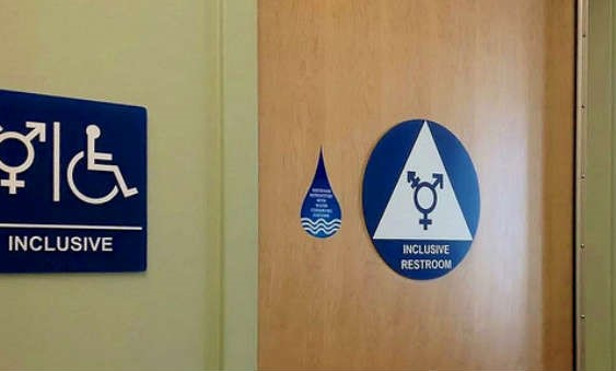
Bingham: The easiest means to create more accommodating restrooms is to convert existing unisex restrooms into gender-neutral or inclusive restrooms. This can be accomplished by changing existing wall and door signs to those shown in the above picture. A more expensive and time-consuming approach to creating inclusive restrooms would be to convert a portion of an existing men's or women's restroom into a new single-toilet restroom. There are many aspects to be considered before choosing this option, including ADA clearance issues, ingress and egress into the newly created restroom and code compliance for fixture count based upon tenant occupancy. An architect should be retained to assist with code compliance, perform the necessary design work and ensure that the restroom remodel is properly permitted. The most expensive and potentially space-limiting option would be to construct a new restroom altogether.
GlobeSt.com: What are developers of new commercial buildings doing to address gender-neutral restrooms?
Bingham: Developers are working with design teams and contractors to provide an analysis of incorporating gender-neutral restrooms in the redevelopment or spec development of a project. This includes but is not limited to looking at code restrictions, user trends and budget review. Developers that provide gender-neutral restrooms may be portrayed as forward-thinking, giving them an advantage in securing potential tenants.
GlobeSt.com: What else should our readers know about this issue?
Bingham: Restroom projects are not the most glorious in the world of commercial real estate. However, in light of new types of tenants and current social awareness, they can be very beneficial to building owners who are concerned about accommodating all of their tenants.
SAN DIEGO—The easiest means to create restrooms that are more accommodating to transgender workers is to convert existing unisex restrooms inter gender-neutral or inclusive restrooms, but sometimes other approaches are needed, Bingham Construction's CEO Jeff Bingham tells GlobeSt.com. In his line of work, Bingham has been dealing with this issue quite a bit recently, so we sat down with him for a chat about the topic and how commercial landlords can address it fairly and economically.
GlobeSt.com: How has sensitivity toward individuals who identify as transgender affected workplace restrooms?
Bingham: As equality in the US continues to become the norm, many tenants have adopted an all-inclusive culture, which includes providing access to gender-neutral restrooms. This is especially true in the tech sector, where these types of tenants have reinvented the office market with creative, collaborative environments.
GlobeSt.com: How are commercial landlords handling gender-neutral restrooms in existing buildings?
Bingham: The easiest means to create more accommodating restrooms is to convert existing unisex restrooms into gender-neutral or inclusive restrooms. This can be accomplished by changing existing wall and door signs to those shown in the above picture. A more expensive and time-consuming approach to creating inclusive restrooms would be to convert a portion of an existing men's or women's restroom into a new single-toilet restroom. There are many aspects to be considered before choosing this option, including ADA clearance issues, ingress and egress into the newly created restroom and code compliance for fixture count based upon tenant occupancy. An architect should be retained to assist with code compliance, perform the necessary design work and ensure that the restroom remodel is properly permitted. The most expensive and potentially space-limiting option would be to construct a new restroom altogether.
GlobeSt.com: What are developers of new commercial buildings doing to address gender-neutral restrooms?
Bingham: Developers are working with design teams and contractors to provide an analysis of incorporating gender-neutral restrooms in the redevelopment or spec development of a project. This includes but is not limited to looking at code restrictions, user trends and budget review. Developers that provide gender-neutral restrooms may be portrayed as forward-thinking, giving them an advantage in securing potential tenants.
GlobeSt.com: What else should our readers know about this issue?
Bingham: Restroom projects are not the most glorious in the world of commercial real estate. However, in light of new types of tenants and current social awareness, they can be very beneficial to building owners who are concerned about accommodating all of their tenants.
© Arc, All Rights Reserved. Request academic re-use from www.copyright.com. All other uses, submit a request to TMSalesOperations@arc-network.com. For more information visit Asset & Logo Licensing.