CHICAGO—There continues to be a lot of chatter about the impact online shopping will have on brick-and-mortar stores, but Liz Holland, chair of the International Council of Shopping Centers and chief executive officer of Chicago-based Abbell Associates, tells GlobeSt.com that some new outlets may have solved the challenge, and all retailers could learn lessons from this innovative group.
“People are no longer satisfied by a mass merchandise experience, they are looking for the real thing,” she says.
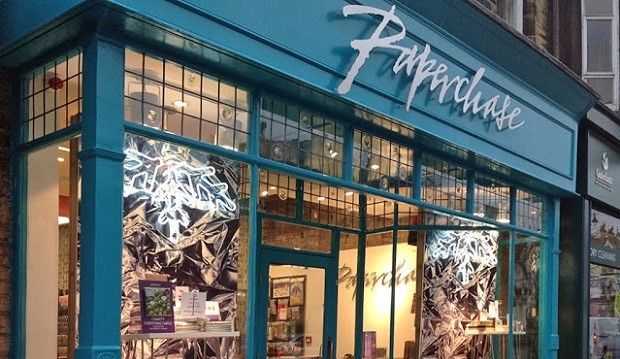
Paperchase, for example, is expanding into the US, and believes that today's consumers want to take a step away from sending impersonal messages in favor of personalized cards and stationary. Its pricey offerings will allow shoppers to send hand-written notes that have more style than a Facebook greeting.
“You're doing something unique for another person,” she says, although Paperchase items do not require great skill with arts and crafts. “Millennials grew up with parents who had closets chock-full of anything they could ever have wanted.” And choosing to buy more personalized or DIY products “is their way of rebelling against that.”
The UK-based store has already chosen to establish outlets in two of Chicago's hot markets, Southport Ave. and the West Loop. Stores like this “are starting to pop up everywhere, but Chicago is at the top of everyone's list.”
Rejuvenation, a West Coast furnishings retailer with a big online presence, also helps shoppers move away from standardized products. Its new store on the burgeoning North Ave. strip lets shoppers wander among found objects and heirloom-quality furniture. Unlike Home Depot, it has the feel of an old-time general store.
But new ideas for retail should not be confined to stores that present new concepts. “There are incredible opportunities for creative retailing everywhere,” Holland says. “Your store needs to be a destination.”
Providing special services not available online is one key to success. The Container Store, a well-established outlet, sells a lot of wrapping paper, but it also gift wraps packages for customers, but “many people don't know they have that service.”
Another key question for retailers is “how can they use technology to encourage shoppers to use their stores,” she says. Both Tokyo and Seoul have grocery outlets that are way ahead of their American counterparts. Shoppers can enter kiosks after leaving work and choose food items from brilliantly colored electric boards with a phone app. “You just start clicking on the things you want,” and soon the items are either waiting for them at their local grocery store or delivered to their homes.
The beauty of this arrangement is that it reinforces the needs for a bricks-and-mortar outlet, but also utilizes technology to increase convenience. And this concept won't be exclusively Asian for long. “It's definitely coming to the US,” she adds. “It has to. It makes so much sense.”
“Bricks-and-mortar retail will always exist, but it has also always evolved,” Holland concludes. And these days, “you are going to have to work harder to remain relevant.”
CHICAGO—There continues to be a lot of chatter about the impact online shopping will have on brick-and-mortar stores, but Liz Holland, chair of the International Council of Shopping Centers and chief executive officer of Chicago-based Abbell Associates, tells GlobeSt.com that some new outlets may have solved the challenge, and all retailers could learn lessons from this innovative group.
“People are no longer satisfied by a mass merchandise experience, they are looking for the real thing,” she says.
Paperchase, for example, is expanding into the US, and believes that today's consumers want to take a step away from sending impersonal messages in favor of personalized cards and stationary. Its pricey offerings will allow shoppers to send hand-written notes that have more style than a Facebook greeting.
“You're doing something unique for another person,” she says, although Paperchase items do not require great skill with arts and crafts. “Millennials grew up with parents who had closets chock-full of anything they could ever have wanted.” And choosing to buy more personalized or DIY products “is their way of rebelling against that.”
The UK-based store has already chosen to establish outlets in two of Chicago's hot markets, Southport Ave. and the West Loop. Stores like this “are starting to pop up everywhere, but Chicago is at the top of everyone's list.”
Rejuvenation, a West Coast furnishings retailer with a big online presence, also helps shoppers move away from standardized products. Its new store on the burgeoning North Ave. strip lets shoppers wander among found objects and heirloom-quality furniture. Unlike
But new ideas for retail should not be confined to stores that present new concepts. “There are incredible opportunities for creative retailing everywhere,” Holland says. “Your store needs to be a destination.”
Providing special services not available online is one key to success. The Container Store, a well-established outlet, sells a lot of wrapping paper, but it also gift wraps packages for customers, but “many people don't know they have that service.”
Another key question for retailers is “how can they use technology to encourage shoppers to use their stores,” she says. Both Tokyo and Seoul have grocery outlets that are way ahead of their American counterparts. Shoppers can enter kiosks after leaving work and choose food items from brilliantly colored electric boards with a phone app. “You just start clicking on the things you want,” and soon the items are either waiting for them at their local grocery store or delivered to their homes.
The beauty of this arrangement is that it reinforces the needs for a bricks-and-mortar outlet, but also utilizes technology to increase convenience. And this concept won't be exclusively Asian for long. “It's definitely coming to the US,” she adds. “It has to. It makes so much sense.”
“Bricks-and-mortar retail will always exist, but it has also always evolved,” Holland concludes. And these days, “you are going to have to work harder to remain relevant.”
© Arc, All Rights Reserved. Request academic re-use from www.copyright.com. All other uses, submit a request to TMSalesOperations@arc-network.com. For more information visit Asset & Logo Licensing.