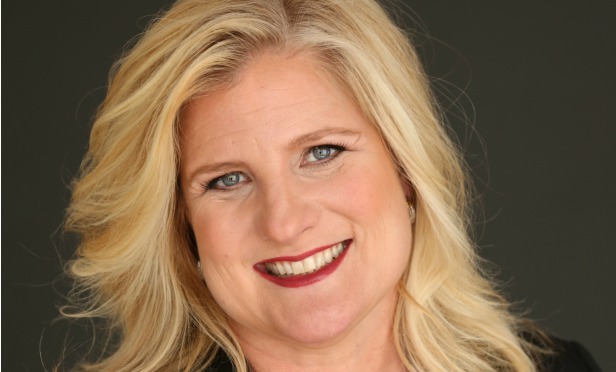
LOS ANGELES—Warehouses are rapidly growing to accommodate ecommerce users. According to a new report from CBRE, the average warehouse height was 33 feet in 2016, and experts expect that number to continue to grow. Ecommerce users are converting the higher clear heights into mezzanine space that adds shadow square footage. To find out more about this trend, was sat down with CBRE's industrial experts Barbara Emmons Perrier and Jim Koenig for an exclusive interview.
GlobeSt.com: How have warehouse sizing in terms of height and volume changed in the last couple of years?
Barbara Emmons Perrier: Over the past five years we have seen users looking for warehouses with clear heights in the 36' to as high as 42' clear. This is primarily for the ability to install material handling equipment that could be two to three stories high inside the warehouse. This is also a result of the e-commerce growth in the market where tenants are looking to deliver individual purchase requests to customers in as little as 2 days to same day.

GlobeSt.com: What is driving these larger warehouses?
Koenig: The growth of e-commerce tenants has driven the demand for larger warehouses with significant more product to be delivered directly to customers. This has put some pressure on the retail sector, however, as these tenants are focused on online sales and less on brick and mortar store locations.
GlobeSt.com: The Los Angeles market is already so tight and filled with smaller, dated product. Where are you seeing this change in warehouses?
Koenig: This change has been taking primarily place in the Inland Empire industrial market due to the availability of larger land sites to accommodate these bigger warehouses, particularly in the Inland Empire East. This Inland Empire West is beginning to become an “in-fill” market as well due to an increasing lack of larger sites. Entitlements are also becoming difficult to obtain with continued push back on large buildings by residents and environmental groups.
GlobeSt.com: Do you expect warehouses to continue to grow? How much bigger can they get?
Emmons Perrier: We don't think we will see much more growth beyond some of the mega warehouses we have seen—as large as 1.7 million square feet. The rise in e-commerce and demand for efficiency in warehousing has caused the need for larger buildings. For many, it is more efficient to be in larger buildings versus a series of smaller ones.
GlobeSt.com: Why is it a benefit for ecommerce users to have one large warehouse versus several smaller warehouses?
Koenig: We are starting to see both as “last mile” philosophy becomes more prevalent. E-commerce users are starting to move into the more urban areas and leasing smaller buildings to accommodate same day delivery. Operationally, it becomes more difficult as you get any larger, and tenants also prefer to spread their occupancy our over multiple facilities for growth.
LOS ANGELES—Warehouses are rapidly growing to accommodate ecommerce users. According to a new report from CBRE, the average warehouse height was 33 feet in 2016, and experts expect that number to continue to grow. Ecommerce users are converting the higher clear heights into mezzanine space that adds shadow square footage. To find out more about this trend, was sat down with CBRE's industrial experts Barbara Emmons Perrier and Jim Koenig for an exclusive interview.
GlobeSt.com: How have warehouse sizing in terms of height and volume changed in the last couple of years?
Barbara Emmons Perrier: Over the past five years we have seen users looking for warehouses with clear heights in the 36' to as high as 42' clear. This is primarily for the ability to install material handling equipment that could be two to three stories high inside the warehouse. This is also a result of the e-commerce growth in the market where tenants are looking to deliver individual purchase requests to customers in as little as 2 days to same day.
GlobeSt.com: What is driving these larger warehouses?
Koenig: The growth of e-commerce tenants has driven the demand for larger warehouses with significant more product to be delivered directly to customers. This has put some pressure on the retail sector, however, as these tenants are focused on online sales and less on brick and mortar store locations.
GlobeSt.com: The Los Angeles market is already so tight and filled with smaller, dated product. Where are you seeing this change in warehouses?
Koenig: This change has been taking primarily place in the Inland Empire industrial market due to the availability of larger land sites to accommodate these bigger warehouses, particularly in the Inland Empire East. This Inland Empire West is beginning to become an “in-fill” market as well due to an increasing lack of larger sites. Entitlements are also becoming difficult to obtain with continued push back on large buildings by residents and environmental groups.
GlobeSt.com: Do you expect warehouses to continue to grow? How much bigger can they get?
Emmons Perrier: We don't think we will see much more growth beyond some of the mega warehouses we have seen—as large as 1.7 million square feet. The rise in e-commerce and demand for efficiency in warehousing has caused the need for larger buildings. For many, it is more efficient to be in larger buildings versus a series of smaller ones.
GlobeSt.com: Why is it a benefit for ecommerce users to have one large warehouse versus several smaller warehouses?
Koenig: We are starting to see both as “last mile” philosophy becomes more prevalent. E-commerce users are starting to move into the more urban areas and leasing smaller buildings to accommodate same day delivery. Operationally, it becomes more difficult as you get any larger, and tenants also prefer to spread their occupancy our over multiple facilities for growth.
© Arc, All Rights Reserved. Request academic re-use from www.copyright.com. All other uses, submit a request to TMSalesOperations@arc-network.com. For more information visit Asset & Logo Licensing.