NEW YORK CITY—Although US institutional investors intend to remain active in commercial real estate, a new survey shows they're planning to reduce new capital commitments to the sector by an average of 19% this year. That's among the topline findings of the annual investor survey conducted by Institutional Real Estate Inc. and Kingsley Associates, which also finds that respondents plan to commit a total of $62 billion of new capital to real estate in 2017.
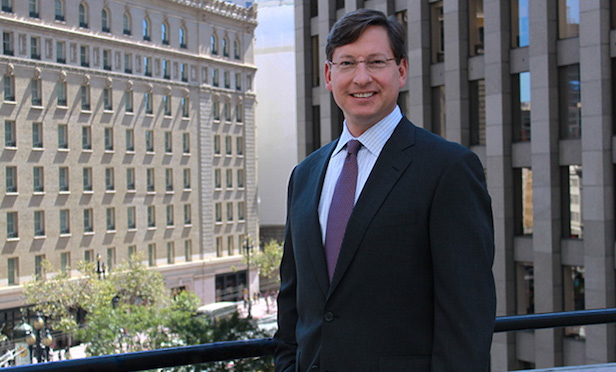
The decline in new capital flows can be attributed mainly to two factors, says Jim Woidat, a principal at Kingsley Associates. “US survey respondents reported real estate holdings exceeding their target allocations to real estate, which reduces the need for new capital commitments. In addition, investors report a significant uncalled capital overhang of $47 billion, which also limits the need for new capital deployment.”
Although average new capital commitments to CRE are expected to decline relative to last year, 72% of survey respondents said they plan to be active with new commitments to real estate in the coming year. Survey respondents ranked industrial as the most attractive property type for new investments, followed by multifamily.
“Real estate investors have enjoyed healthy returns post-global financial crisis, but it's evident from the survey that they are showing more caution at this point in the cycle,” notes Geoffrey Dohrmann, IREI's president and CEO. He notes that investors have dialed back their total return expectations for real estate from 8.7% last year to 7.4%. That being the case, “on a risk-adjusted basis, respondents ranked real estate as the most attractive asset class for the seventh consecutive year.”
The survey cited US core properties and value-added investments as the chief targets for new capital, representing 33% and 27%, respectively. US investors also plan to allocate 20% to opportunistic investments and 8% to debt products. Foreign investments are targeted for 7% of new capital, while 5% is earmarked for real estate securities. The 113 US and 51 foreign investors surveyed represent $7.9 trillion in total assets and $741 billion in real estate assets under management.
The decline in new capital flows can be attributed mainly to two factors, says Jim Woidat, a principal at Kingsley Associates. “US survey respondents reported real estate holdings exceeding their target allocations to real estate, which reduces the need for new capital commitments. In addition, investors report a significant uncalled capital overhang of $47 billion, which also limits the need for new capital deployment.”
Although average new capital commitments to CRE are expected to decline relative to last year, 72% of survey respondents said they plan to be active with new commitments to real estate in the coming year. Survey respondents ranked industrial as the most attractive property type for new investments, followed by multifamily.
“Real estate investors have enjoyed healthy returns post-global financial crisis, but it's evident from the survey that they are showing more caution at this point in the cycle,” notes Geoffrey Dohrmann, IREI's president and CEO. He notes that investors have dialed back their total return expectations for real estate from 8.7% last year to 7.4%. That being the case, “on a risk-adjusted basis, respondents ranked real estate as the most attractive asset class for the seventh consecutive year.”
The survey cited US core properties and value-added investments as the chief targets for new capital, representing 33% and 27%, respectively. US investors also plan to allocate 20% to opportunistic investments and 8% to debt products. Foreign investments are targeted for 7% of new capital, while 5% is earmarked for real estate securities. The 113 US and 51 foreign investors surveyed represent $7.9 trillion in total assets and $741 billion in real estate assets under management.
© Arc, All Rights Reserved. Request academic re-use from www.copyright.com. All other uses, submit a request to TMSalesOperations@arc-network.com. For more information visit Asset & Logo Licensing.