HOUSTON—A 38-acre land parcel was recently sold to Property Commerce for the development of a Target-anchored shopping center. The planned development will be a 438,000-square-foot retail center at State Highway 99 and Harlem Road in the Aliana master-planned community. The retail center will include a 124,000-square-foot Target, in addition to the 102,000-square-foot H-E-B, which recently opened.
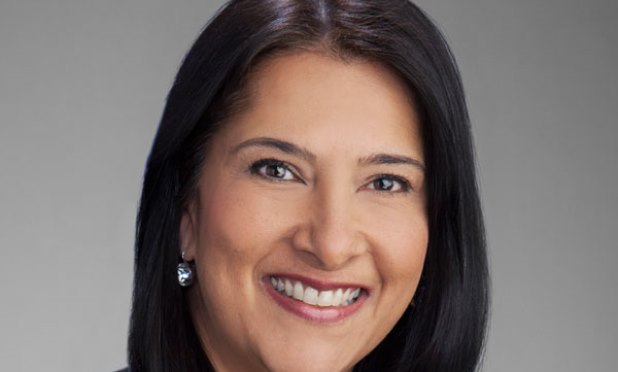
JLL completed the land sale on behalf of Aliana Development Company. Senior vice president Simmi Jaggi and vice president Elizabeth Clampitt led the JLL team on the transaction. Jaggi recently discussed the level of interest for retail in this area, Houston's appeal for new concepts, retail trends and how long the activity is forecast to continue in this exclusive.
GlobeSt.com: What makes this area at SH-99 and Harlem Road so ripe for development?
Simmi Jaggi: Located within the established Aliana master-planned community and surrounded by several other developing master-planned communities, this trade area has the population density that retailers seek. Along with the density provided by the surrounding housing developments, the expansion of the Grand Parkway has created significant intersections with high traffic counts and desirable visibility for retailers. These factors combine to create the perfect environment for strong sales. With two outstanding anchors and an additional 57 acres of land planned for retail development in the area, this intersection is poised to become a significant retail destination in southwest Houston.
GlobeSt.com: Why do retailers choose Houston as a place to pilot and try new concepts?
Jaggi: Texas and its metro areas including Houston historically have high sales, which naturally draws interest from regional and national brands. Additionally, Houston's strong population growth has served to attract many new retailers and concepts over the years. Even during an oil downturn, 2016 data revealed Houston experienced record single-family sales for the second time in three years. That type of resiliency catches the eye of retailers and makes Houston fertile ground for testing new concepts and piloting new features.
GlobeSt.com: How have you seen retailers, and specifically grocers, change the way they look at real estate in recent years?
Jaggi: As e-commerce and Internet-based retailers impact sector dynamics, companies are adapting through updated store configurations and footprints. It is critical in this highly digital age that stores rethink traditional footprints and create opportunities to engage with customers. Grocers have been particularly innovative in how they think about physical stores, especially in urban settings. Grocers are experimenting with smaller footprints and vertical layouts to be more amenable to mixed-use projects. They have also found ways to be relevant and valuable by employing technology and adjusting offerings to maximize convenience and improve the customer experience in stores. Brands have been evolving into a hybrid of grocery store and fast-casual retailer, in which a portion of the store is the traditional grocery store while the other part is a restaurant, bar or prepared foods section where guests can grab something that is already made. Conventional grocers are all investing in this concept.
GlobeSt.com: What are some of the major trends you're seeing in Houston retail that will have an impact across the commercial real estate landscape throughout 2017?
Jaggi: Similar to what grocers are doing, we will continue to see other retailers get creative with layouts to optimize physical space, especially as land costs continue to increase and the availability of land, particularly in the urban core, decreases. Additionally, with Houston's high population growth and diverse consumer base, I anticipate we will continue to see new-to-market retailers particularly from the food and beverage and entertainment sectors as we did in 2016.
E-commerce has and will continue to impact retailers and the digital world will impact department allocations. For example, the rise of e-books has reduced the need for a large book section in stores. Moreover, the increased service requirements from millennials and dual-income families to get everything better and quicker has increased click it, ship it and delivery. Consumers need an 'experience' to shop and eat today, which will continue to shape how retailers use their real estate to offer customers more than just their product.
GlobeSt.com: What's in store for the Houston retail market this year? Is there an end to the demand in sight?
Jaggi: I think Houston retail is in for another strong year. More supply will come on line from projects currently under construction and strong positive net absorption will continue throughout the year because of healthy demand. That being said, we are starting to see the market show some restraint as supply begins to catch up with demand. After a red-hot growth cycle from 2014 to 2016, construction activity is beginning to normalize, falling to 2.7 million square feet in the first quarter. Demand will likely temper as a function of increased supply, but overall, key indicators point to a healthy level of growth for the Houston retail market in 2017.
HOUSTON—A 38-acre land parcel was recently sold to Property Commerce for the development of a Target-anchored shopping center. The planned development will be a 438,000-square-foot retail center at State Highway 99 and Harlem Road in the Aliana master-planned community. The retail center will include a 124,000-square-foot
JLL completed the land sale on behalf of Aliana Development Company. Senior vice president Simmi Jaggi and vice president Elizabeth Clampitt led the JLL team on the transaction. Jaggi recently discussed the level of interest for retail in this area, Houston's appeal for new concepts, retail trends and how long the activity is forecast to continue in this exclusive.
GlobeSt.com: What makes this area at SH-99 and Harlem Road so ripe for development?
Simmi Jaggi: Located within the established Aliana master-planned community and surrounded by several other developing master-planned communities, this trade area has the population density that retailers seek. Along with the density provided by the surrounding housing developments, the expansion of the Grand Parkway has created significant intersections with high traffic counts and desirable visibility for retailers. These factors combine to create the perfect environment for strong sales. With two outstanding anchors and an additional 57 acres of land planned for retail development in the area, this intersection is poised to become a significant retail destination in southwest Houston.
GlobeSt.com: Why do retailers choose Houston as a place to pilot and try new concepts?
Jaggi: Texas and its metro areas including Houston historically have high sales, which naturally draws interest from regional and national brands. Additionally, Houston's strong population growth has served to attract many new retailers and concepts over the years. Even during an oil downturn, 2016 data revealed Houston experienced record single-family sales for the second time in three years. That type of resiliency catches the eye of retailers and makes Houston fertile ground for testing new concepts and piloting new features.
GlobeSt.com: How have you seen retailers, and specifically grocers, change the way they look at real estate in recent years?
Jaggi: As e-commerce and Internet-based retailers impact sector dynamics, companies are adapting through updated store configurations and footprints. It is critical in this highly digital age that stores rethink traditional footprints and create opportunities to engage with customers. Grocers have been particularly innovative in how they think about physical stores, especially in urban settings. Grocers are experimenting with smaller footprints and vertical layouts to be more amenable to mixed-use projects. They have also found ways to be relevant and valuable by employing technology and adjusting offerings to maximize convenience and improve the customer experience in stores. Brands have been evolving into a hybrid of grocery store and fast-casual retailer, in which a portion of the store is the traditional grocery store while the other part is a restaurant, bar or prepared foods section where guests can grab something that is already made. Conventional grocers are all investing in this concept.
GlobeSt.com: What are some of the major trends you're seeing in Houston retail that will have an impact across the commercial real estate landscape throughout 2017?
Jaggi: Similar to what grocers are doing, we will continue to see other retailers get creative with layouts to optimize physical space, especially as land costs continue to increase and the availability of land, particularly in the urban core, decreases. Additionally, with Houston's high population growth and diverse consumer base, I anticipate we will continue to see new-to-market retailers particularly from the food and beverage and entertainment sectors as we did in 2016.
E-commerce has and will continue to impact retailers and the digital world will impact department allocations. For example, the rise of e-books has reduced the need for a large book section in stores. Moreover, the increased service requirements from millennials and dual-income families to get everything better and quicker has increased click it, ship it and delivery. Consumers need an 'experience' to shop and eat today, which will continue to shape how retailers use their real estate to offer customers more than just their product.
GlobeSt.com: What's in store for the Houston retail market this year? Is there an end to the demand in sight?
Jaggi: I think Houston retail is in for another strong year. More supply will come on line from projects currently under construction and strong positive net absorption will continue throughout the year because of healthy demand. That being said, we are starting to see the market show some restraint as supply begins to catch up with demand. After a red-hot growth cycle from 2014 to 2016, construction activity is beginning to normalize, falling to 2.7 million square feet in the first quarter. Demand will likely temper as a function of increased supply, but overall, key indicators point to a healthy level of growth for the Houston retail market in 2017.
© Arc, All Rights Reserved. Request academic re-use from www.copyright.com. All other uses, submit a request to TMSalesOperations@arc-network.com. For more information visit Asset & Logo Licensing.