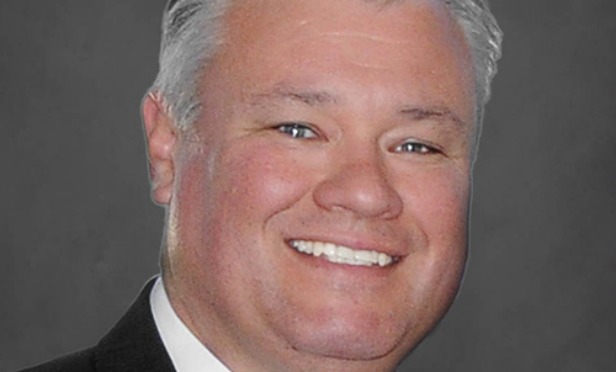
LOS ANGELES—Industrial rents surged in the first quarter of the year as supply levels in Southern California continue to fall. According to research from NAI Capital, asking rents were up 15.2% over the previous cycle peak. Rents are also up 7% year-over-year and nearly 3% from the previous quarter. During the same time, industrial rates in Los Angeles stayed at historically low levels of 2%, 20 basis points lower than early 2016. To find out more about these industrial trends and leasing in Southern California, we sat down with J.C. Casillas, VP of research at NAI Capital, for an exclusive interview.
GlobeSt.com: What is continuing to drive industrial rents up?
J.C. Casillas: The Los Angeles industrial market is directly impacted by the volume of goods that flow through the ports of Los Angeles and Long Beach. Inbound loaded cargo volume (imports) at the combined ports increased by a healthy clip year-over-year in March (latest figures available), up 26 percent. Imports jump due strong consumer spending, signaling to retailers to ship more merchandise. This in turn drives the demand for warehouse space to house all these goods. When the supply of warehouse space is this tight, tenants must compete for limited space biding up rental rates. The vacancy rate is a low 2.0 percent or looked at another way 98% occupied…this is an industrial market trying to function at full capacity. The current situation has created inefficiencies in the market reflected in higher rental rates. Less functional or obsolete buildings that would otherwise sit on the market or command lower rents to get leased are getting leased at higher rents than they otherwise would have if there was a competitive set for tenants to choose from. New construction (limited due to land constraints) or redevelopment is more expensive due to higher land values and sale prices- again reflects higher pricing.
GlobeSt.com: How have higher rents affected industrial leasing activity?
Casillas: Our research shows in this competitive environment the lease-up time is getting shorter for industrial space. An analysis of completed lease transactions (all sizes) in 2017 compared to the prior year 2016, and 2009 as the market was heading down in the recession reveals a decrease in the time available space sits on the market. Year-to-date 2017 lease transactions on average took 48 days to complete. Last year, 2016 on average it took 90 days to lease up industrial space. In 2009, it took 119 days to complete an industrial lease transaction. As the availability of industrial space product dries up or piles up the quality, size and pricing of product plays a crucial role in lease-up time in this competitive environment. The difference today is explained by market conditions indicating that the market has turned and demand exceeds supply.
GlobeSt.com: Do you expect rents to continue to rise this year?
Casillas: Rental rates will continue rising as long as the demand persists. Rental rates for the last couple of years have surpassed the previous peak hit in 2008 and are projected to continue rising for the near future. However, for now, growth can be expected to be at lower rate as the market catches its breath. For example, year-over-year rents rose 7% in the first quarter of 2017, compared to 10.9% in the first quarter of 2016.
GlobeSt.com: Which L.A. markets are seeing the highest rents?
Casillias: The South Bay, home to the ports of Los Angeles and Long Beach, commands the highest average asking rent ($0.86/SF NNN). South Bay year-over-year rents rose 14.7% in the first quarter of 2017, compared to 11.9% in the first quarter of 2016. Submarkets suffering from acute supply shortages of industrial space like the San Fernando Valley and San Gabriel Valley have also seen higher (double digit) rent increases in average asking rents over the prior year – compared to last year at this time. San Gabriel Valley year-over-year rents rose 23% in the first quarter of 2017 compared to 1.7% in the first quarter of 2016. San Fernando Valley year-over-year rents rose 10.7% in the first quarter of 2017 compared to 4.2% in the first quarter of 2016.
LOS ANGELES—Industrial rents surged in the first quarter of the year as supply levels in Southern California continue to fall. According to research from NAI Capital, asking rents were up 15.2% over the previous cycle peak. Rents are also up 7% year-over-year and nearly 3% from the previous quarter. During the same time, industrial rates in Los Angeles stayed at historically low levels of 2%, 20 basis points lower than early 2016. To find out more about these industrial trends and leasing in Southern California, we sat down with J.C. Casillas, VP of research at NAI Capital, for an exclusive interview.
GlobeSt.com: What is continuing to drive industrial rents up?
J.C. Casillas: The Los Angeles industrial market is directly impacted by the volume of goods that flow through the ports of Los Angeles and Long Beach. Inbound loaded cargo volume (imports) at the combined ports increased by a healthy clip year-over-year in March (latest figures available), up 26 percent. Imports jump due strong consumer spending, signaling to retailers to ship more merchandise. This in turn drives the demand for warehouse space to house all these goods. When the supply of warehouse space is this tight, tenants must compete for limited space biding up rental rates. The vacancy rate is a low 2.0 percent or looked at another way 98% occupied…this is an industrial market trying to function at full capacity. The current situation has created inefficiencies in the market reflected in higher rental rates. Less functional or obsolete buildings that would otherwise sit on the market or command lower rents to get leased are getting leased at higher rents than they otherwise would have if there was a competitive set for tenants to choose from. New construction (limited due to land constraints) or redevelopment is more expensive due to higher land values and sale prices- again reflects higher pricing.
GlobeSt.com: How have higher rents affected industrial leasing activity?
Casillas: Our research shows in this competitive environment the lease-up time is getting shorter for industrial space. An analysis of completed lease transactions (all sizes) in 2017 compared to the prior year 2016, and 2009 as the market was heading down in the recession reveals a decrease in the time available space sits on the market. Year-to-date 2017 lease transactions on average took 48 days to complete. Last year, 2016 on average it took 90 days to lease up industrial space. In 2009, it took 119 days to complete an industrial lease transaction. As the availability of industrial space product dries up or piles up the quality, size and pricing of product plays a crucial role in lease-up time in this competitive environment. The difference today is explained by market conditions indicating that the market has turned and demand exceeds supply.
GlobeSt.com: Do you expect rents to continue to rise this year?
Casillas: Rental rates will continue rising as long as the demand persists. Rental rates for the last couple of years have surpassed the previous peak hit in 2008 and are projected to continue rising for the near future. However, for now, growth can be expected to be at lower rate as the market catches its breath. For example, year-over-year rents rose 7% in the first quarter of 2017, compared to 10.9% in the first quarter of 2016.
GlobeSt.com: Which L.A. markets are seeing the highest rents?
Casillias: The South Bay, home to the ports of Los Angeles and Long Beach, commands the highest average asking rent ($0.86/SF NNN). South Bay year-over-year rents rose 14.7% in the first quarter of 2017, compared to 11.9% in the first quarter of 2016. Submarkets suffering from acute supply shortages of industrial space like the San Fernando Valley and San Gabriel Valley have also seen higher (double digit) rent increases in average asking rents over the prior year – compared to last year at this time. San Gabriel Valley year-over-year rents rose 23% in the first quarter of 2017 compared to 1.7% in the first quarter of 2016. San Fernando Valley year-over-year rents rose 10.7% in the first quarter of 2017 compared to 4.2% in the first quarter of 2016.
© Arc, All Rights Reserved. Request academic re-use from www.copyright.com. All other uses, submit a request to TMSalesOperations@arc-network.com. For more information visit Asset & Logo Licensing.