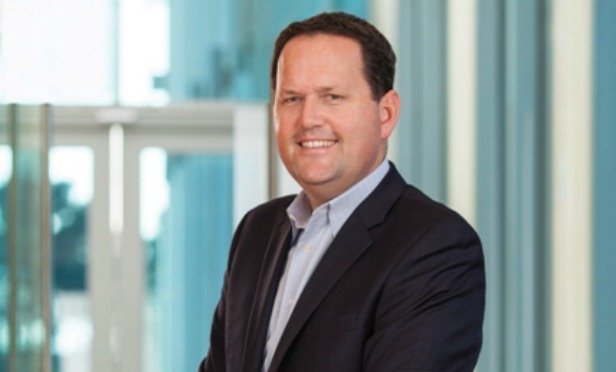
LOS ANGELES—Watson Land Co., an industrial developer with projects from coast to coast, has named Jeffrey Jennison as its new CEO. Jennison has served as the firm's president since 2014, and will succeed former CEO Bruce Choate, who retired in March 2017. Although the firm is changing leadership, it will not change its strategy, and Jennison will move forward with the firm's goals of developing industrial product on the East Coast. We sat down with Jennison to discuss the firm's growth goals, where the firm is looking for new opportunities and how much runway is left for industrial in this cycle.
GlobeSt.com: This has been a three-year transition for the company. What, if any, changes can we expect as you move into the role as CEO? For example, will there be a shift in strategy or focus?
Jeffrey Jennison: Not many changes at all. Our senior team has been together for almost 20 years and we have worked closely together on strategic land acquisitions, development, our culture and other important initiatives for Watson. We intend to stay the course building upon the incredible foundation we have in place. Like any change in leadership, there are little things that will be tweaked but nothing major.
GlobeSt.com: What are your goals in this new position, and what is your plan/timeline to accomplish these goals?
Jennison: A primary goal is to effectively begin development of our product on the East Coast. Last year, we acquired two properties in the Lehigh Valley area of Pennsylvania. It was a great way for us to get introduced to a new market and allowed us an opportunity to transport our expertise to a new market. Our long-term goal, however, is to develop Watson Land Company Legacy buildings in a new market. We strongly feel that the market there will receive our properties well and we are working on a strategic land deal now that will allow us to do that. Ultimately, we would like to assemble a critical mass there to compliment our West Coast portfolio.
GlobeSt.com: In terms of the market, do you see opportunities for new development and do you expect to remain as active, or are you beginning to slow your development activity at this point in the cycle?
Jennison: We are very active. We are under construction on phase two of Watson Industrial Park Chino. This project is one of the largest master planned centers underway and will ultimately contain 5.1 million square feet of contiguous properties. We have a 725,000- and a 443,000-square-foot buildings under construction right now. If market conditions continue to remain strong, we could build out the entire project over the next three years. If conditions soften, we can rethink our plans. We don't build just to build. Because of our long-term perspective, we conservatively manage our development pipeline and look for spots in the market where a new property can be delivered with limited existing competition. We spend a lot of time on cycle management as a leadership team and know that conditions will eventually change.
GlobeSt.com: Where are you focusing your attention for industrial development, and why?
Jennison: We really like both coasts for obvious reasons. We prefer markets with high barriers to entry because of rent growth and historically lower vacancy periods. As a long-term holder, these two dynamics are important to us. We have never pursued the merchant builder platform so markets with strong long-term market fundamentals are our preference. Chino and the Inland Empire in general have been great expansion areas for us. We think the Northeast will be the same. Once we reach the 10 million square foot mark in the Northeast, we will probably want to consider another market.
GlobeSt.com: The industrial market is at record highs. Do you expect this activity to continue, and if no, is there an end, or are we in a new era for industrial?
Jennison: We expect things to continue through the remainder of this year and into next. Beyond that, it's really tough to guess where industrial market conditions will be. Certainly, the rise in consumer confidence and the prospects for tax reform may further boost demand for consumer goods and industrial space. The E-Commerce revolution has dramatically changed the game for firms like ours as well. Our buildings are being used differently than they were just a few years ago and users are willing to pay a premium for the more functional properties in great locations. We are fortunate to own property in the best markets in the country and we think our locations will fare better than others when the next downturn hits. We have been doing this for so long and know that are business is cyclical and conditions will change. We like to think we are positioned well to adapt to market changes. So, I would say there will never be an end to industrial, just consistently evolving eras.
LOS ANGELES—Watson Land Co., an industrial developer with projects from coast to coast, has named Jeffrey Jennison as its new CEO. Jennison has served as the firm's president since 2014, and will succeed former CEO Bruce Choate, who retired in March 2017. Although the firm is changing leadership, it will not change its strategy, and Jennison will move forward with the firm's goals of developing industrial product on the East Coast. We sat down with Jennison to discuss the firm's growth goals, where the firm is looking for new opportunities and how much runway is left for industrial in this cycle.
GlobeSt.com: This has been a three-year transition for the company. What, if any, changes can we expect as you move into the role as CEO? For example, will there be a shift in strategy or focus?
Jeffrey Jennison: Not many changes at all. Our senior team has been together for almost 20 years and we have worked closely together on strategic land acquisitions, development, our culture and other important initiatives for Watson. We intend to stay the course building upon the incredible foundation we have in place. Like any change in leadership, there are little things that will be tweaked but nothing major.
GlobeSt.com: What are your goals in this new position, and what is your plan/timeline to accomplish these goals?
Jennison: A primary goal is to effectively begin development of our product on the East Coast. Last year, we acquired two properties in the Lehigh Valley area of Pennsylvania. It was a great way for us to get introduced to a new market and allowed us an opportunity to transport our expertise to a new market. Our long-term goal, however, is to develop Watson Land Company Legacy buildings in a new market. We strongly feel that the market there will receive our properties well and we are working on a strategic land deal now that will allow us to do that. Ultimately, we would like to assemble a critical mass there to compliment our West Coast portfolio.
GlobeSt.com: In terms of the market, do you see opportunities for new development and do you expect to remain as active, or are you beginning to slow your development activity at this point in the cycle?
Jennison: We are very active. We are under construction on phase two of Watson Industrial Park Chino. This project is one of the largest master planned centers underway and will ultimately contain 5.1 million square feet of contiguous properties. We have a 725,000- and a 443,000-square-foot buildings under construction right now. If market conditions continue to remain strong, we could build out the entire project over the next three years. If conditions soften, we can rethink our plans. We don't build just to build. Because of our long-term perspective, we conservatively manage our development pipeline and look for spots in the market where a new property can be delivered with limited existing competition. We spend a lot of time on cycle management as a leadership team and know that conditions will eventually change.
GlobeSt.com: Where are you focusing your attention for industrial development, and why?
Jennison: We really like both coasts for obvious reasons. We prefer markets with high barriers to entry because of rent growth and historically lower vacancy periods. As a long-term holder, these two dynamics are important to us. We have never pursued the merchant builder platform so markets with strong long-term market fundamentals are our preference. Chino and the Inland Empire in general have been great expansion areas for us. We think the Northeast will be the same. Once we reach the 10 million square foot mark in the Northeast, we will probably want to consider another market.
GlobeSt.com: The industrial market is at record highs. Do you expect this activity to continue, and if no, is there an end, or are we in a new era for industrial?
Jennison: We expect things to continue through the remainder of this year and into next. Beyond that, it's really tough to guess where industrial market conditions will be. Certainly, the rise in consumer confidence and the prospects for tax reform may further boost demand for consumer goods and industrial space. The E-Commerce revolution has dramatically changed the game for firms like ours as well. Our buildings are being used differently than they were just a few years ago and users are willing to pay a premium for the more functional properties in great locations. We are fortunate to own property in the best markets in the country and we think our locations will fare better than others when the next downturn hits. We have been doing this for so long and know that are business is cyclical and conditions will change. We like to think we are positioned well to adapt to market changes. So, I would say there will never be an end to industrial, just consistently evolving eras.
© Arc, All Rights Reserved. Request academic re-use from www.copyright.com. All other uses, submit a request to TMSalesOperations@arc-network.com. For more information visit Asset & Logo Licensing.