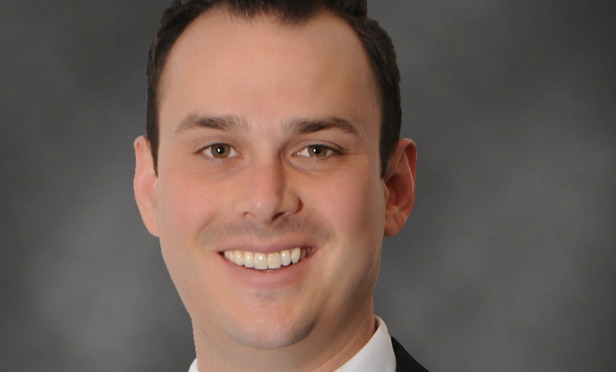
LOS ANGELES—Ecommerce may be making headlines, but there is still plenty of brick-and-mortar tenant demand to fill retail spaces. CBRE published a recent study asking if the retail apocalypse is fake news. The retail market has certainly changed, but the report says that for every closing retailer, a new one is ready to take its place. To find out more about the demand for brick-and-mortar, we sat down with Cody Chiarella, VP at CBRE.
GlobeSt.com: With so much changing in the retail market, how have you been able to close so many retail leases?
Cody Chiarella: Demand is still there, even if not necessarily as much from your typical brick & mortar tenants. The focus is more on lifestyle, services and experience-based retailers. Therefore, projects need to be reinvented to stay relevant and keep consumers coming back and spending time and money. Fortunately, I've been able to be creative and open opportunities to this crop of non-standard retailers. They might require different deal and security structures but there is great demand and opportunity.
GlobeSt.com: What types of tenants are you focusing on, and why?
Chiarella: My typical target retail occupier is a brand or service that is trending. Think food and beverage, juice bars, craft desserts, and now in some cases selective Instagram-famous brands. Depending on the opportunity, daily-needs and medical outfits are the next most active category for retail brick & mortar. Fitness, wellness and lifestyle experience-based retailers have and will continue to be extremely popular.
GlobeSt.com: Has retail leasing activity become focused in only A locations, or are there opportunities for retailers in all markets?
Chiarella: All markets present opportunities, if you pair the demographics and trade area with the right occupier and experience. Combine that with adjacent retail synergies and you are cultivating the experience and environment that ensures customers will keep coming back.
GlobeSt.com: How are big box vacancies in Southern California creating opportunities?
Chiarella: As many big box retailers have been downsizing, spaces have opened up that can be repurposed by dividing them into smaller boutique-sized sites and diversifying the offerings while creating an all-encompassing retail center that can attract traffic. It opens channels for more nontraditional users such as medical, schools, public services, entertainment, food halls and provides the possibility of repositioning parts for potential redevelopment.
GlobeSt.com: Do you see a pattern in the types of stores that are expanding?
Chiarella: Always. Look to health, beauty, trendy concepts, think donuts, blow out bars, artisanal ice cream. Copycat concepts are expanding rapidly to fuel a surging demand so patrons can post their latest habits on social media.
LOS ANGELES—Ecommerce may be making headlines, but there is still plenty of brick-and-mortar tenant demand to fill retail spaces. CBRE published a recent study asking if the retail apocalypse is fake news. The retail market has certainly changed, but the report says that for every closing retailer, a new one is ready to take its place. To find out more about the demand for brick-and-mortar, we sat down with Cody Chiarella, VP at CBRE.
GlobeSt.com: With so much changing in the retail market, how have you been able to close so many retail leases?
Cody Chiarella: Demand is still there, even if not necessarily as much from your typical brick & mortar tenants. The focus is more on lifestyle, services and experience-based retailers. Therefore, projects need to be reinvented to stay relevant and keep consumers coming back and spending time and money. Fortunately, I've been able to be creative and open opportunities to this crop of non-standard retailers. They might require different deal and security structures but there is great demand and opportunity.
GlobeSt.com: What types of tenants are you focusing on, and why?
Chiarella: My typical target retail occupier is a brand or service that is trending. Think food and beverage, juice bars, craft desserts, and now in some cases selective Instagram-famous brands. Depending on the opportunity, daily-needs and medical outfits are the next most active category for retail brick & mortar. Fitness, wellness and lifestyle experience-based retailers have and will continue to be extremely popular.
GlobeSt.com: Has retail leasing activity become focused in only A locations, or are there opportunities for retailers in all markets?
Chiarella: All markets present opportunities, if you pair the demographics and trade area with the right occupier and experience. Combine that with adjacent retail synergies and you are cultivating the experience and environment that ensures customers will keep coming back.
GlobeSt.com: How are big box vacancies in Southern California creating opportunities?
Chiarella: As many big box retailers have been downsizing, spaces have opened up that can be repurposed by dividing them into smaller boutique-sized sites and diversifying the offerings while creating an all-encompassing retail center that can attract traffic. It opens channels for more nontraditional users such as medical, schools, public services, entertainment, food halls and provides the possibility of repositioning parts for potential redevelopment.
GlobeSt.com: Do you see a pattern in the types of stores that are expanding?
Chiarella: Always. Look to health, beauty, trendy concepts, think donuts, blow out bars, artisanal ice cream. Copycat concepts are expanding rapidly to fuel a surging demand so patrons can post their latest habits on social media.
© Arc, All Rights Reserved. Request academic re-use from www.copyright.com. All other uses, submit a request to TMSalesOperations@arc-network.com. For more information visit Asset & Logo Licensing.