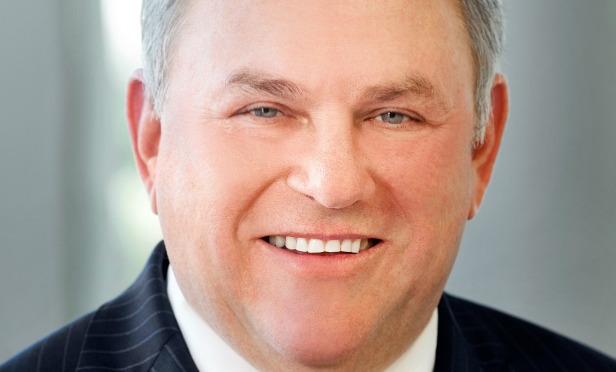
LOS ANGELES—Luxury housing accounts for the majority of the development pipeline in Los Angeles, and it has cause a dearth of affordable and middle-class options for residents. Bob Hart, president and CEO of TruAmerica Multifamily, says that this could affect the local economy and job growth in the city. He sat down with us recently for an interview to discuss how the lack of middle-class housing could affect job growth, why luxury development is so prevalent and how we can shift the pendulum to find a better balance.
GlobeSt.com: Will the lack of middle-class housing have an affect job growth?
Bob Hart: In my opinion, the long-term effects of a lack of affordable middle -class (workforce) housing could affect the economy and its ability to grow. Rents exceeding 40-50% percent of family incomes will certainly impact other forms of consumer and discretionary spending and prevent people from living in areas where the jobs are most needed. Companies will no longer be able to hire workers at wages that make them competitive. This could have an effect on our economy and even create possible labor shortages in manufacturing and lower-paying service jobs. So, the need for affordable middle class housing is very critical.
GlobeSt.com: Why is luxury housing over workforce housing dominating the development pipeline?
Hart: The availability of high-density land to build housing is very expensive especially in areas where the jobs are. Higher density is required to build units that make sense financially. Most of the time, those units are primarily luxury rentals and are unaffordable to most blue and grey collar renters. So, without development subsidies or bonus density, it is very difficult for developers in prime urban areas to build workforce housing and that is part of the shortage problem.
GlobeSt.com: Are working class families leaving Los Angeles as a result of the housing supply shortage?
Hart: To some degree, they are, and that comes from both a single and a multi-family standpoint. Because of the high cost of living and the lack of affordable housing, families are relocating further and further out beyond city boundaries in neighborhoods that they can afford. In some cases they are leaving the state. We are seeing people commute from the Antelope Valley, Inland Empire, San Bernardino County because they are priced out of quality rental housing in Los Angeles. We are also seeing people moving to more affordable areas like Las Vegas or Phoenix, which are very fast-growing locations that are more affordable.
exist
GlobeSt.com: What is the impact of this problem on the local Los Angeles economy?
Hart: Right now, there is no apparent impact, but there could be one where if people continue to spend more and more of their consumable income on rent. If that continues to happen, consumers will have less discretionary income for items that drive GNP like going out to dinner or clothing or buying home goods. Lack of workforce housing could also result in labor shortages as I mentioned earlier.
GlobeSt.com: How can we build more middle-class housing in Los Angeles?
Hart: Well, what we could do is have more impact zones that allow developers to build mid-rise housing or even high-rise housing in areas that are more affordable than downtown Los Angeles. This would include areas such as the San Fernando Valley or in green fields where land costs are cheaper. This would definitely bring down rents. Instead of charging $4-$5 a square foot in downtown LA to make deals pencil, if zoning would support higher-density in those areas, developers could offer apartments at the $2 rent per foot range. So, we need more density in areas where there is more land to build more affordable housing.
LOS ANGELES—Luxury housing accounts for the majority of the development pipeline in Los Angeles, and it has cause a dearth of affordable and middle-class options for residents. Bob Hart, president and CEO of TruAmerica Multifamily, says that this could affect the local economy and job growth in the city. He sat down with us recently for an interview to discuss how the lack of middle-class housing could affect job growth, why luxury development is so prevalent and how we can shift the pendulum to find a better balance.
GlobeSt.com: Will the lack of middle-class housing have an affect job growth?
Bob Hart: In my opinion, the long-term effects of a lack of affordable middle -class (workforce) housing could affect the economy and its ability to grow. Rents exceeding 40-50% percent of family incomes will certainly impact other forms of consumer and discretionary spending and prevent people from living in areas where the jobs are most needed. Companies will no longer be able to hire workers at wages that make them competitive. This could have an effect on our economy and even create possible labor shortages in manufacturing and lower-paying service jobs. So, the need for affordable middle class housing is very critical.
GlobeSt.com: Why is luxury housing over workforce housing dominating the development pipeline?
Hart: The availability of high-density land to build housing is very expensive especially in areas where the jobs are. Higher density is required to build units that make sense financially. Most of the time, those units are primarily luxury rentals and are unaffordable to most blue and grey collar renters. So, without development subsidies or bonus density, it is very difficult for developers in prime urban areas to build workforce housing and that is part of the shortage problem.
GlobeSt.com: Are working class families leaving Los Angeles as a result of the housing supply shortage?
Hart: To some degree, they are, and that comes from both a single and a multi-family standpoint. Because of the high cost of living and the lack of affordable housing, families are relocating further and further out beyond city boundaries in neighborhoods that they can afford. In some cases they are leaving the state. We are seeing people commute from the Antelope Valley, Inland Empire, San Bernardino County because they are priced out of quality rental housing in Los Angeles. We are also seeing people moving to more affordable areas like Las Vegas or Phoenix, which are very fast-growing locations that are more affordable.
exist
GlobeSt.com: What is the impact of this problem on the local Los Angeles economy?
Hart: Right now, there is no apparent impact, but there could be one where if people continue to spend more and more of their consumable income on rent. If that continues to happen, consumers will have less discretionary income for items that drive GNP like going out to dinner or clothing or buying home goods. Lack of workforce housing could also result in labor shortages as I mentioned earlier.
GlobeSt.com: How can we build more middle-class housing in Los Angeles?
Hart: Well, what we could do is have more impact zones that allow developers to build mid-rise housing or even high-rise housing in areas that are more affordable than downtown Los Angeles. This would include areas such as the San Fernando Valley or in green fields where land costs are cheaper. This would definitely bring down rents. Instead of charging $4-$5 a square foot in downtown LA to make deals pencil, if zoning would support higher-density in those areas, developers could offer apartments at the $2 rent per foot range. So, we need more density in areas where there is more land to build more affordable housing.
© Arc, All Rights Reserved. Request academic re-use from www.copyright.com. All other uses, submit a request to TMSalesOperations@arc-network.com. For more information visit Asset & Logo Licensing.