LOS ANGELES—Technology may not be the best tool for cultivating relationships, according to Troy Palmquist, the founder of The Address, a new brokerage firm that is eschewing technology. Rather than relying on technology, Palmquist is relying on human interaction to build the new firm. He says that the single-family housing market has drifted too far away from customer service, and he is bringing the industry back to its roots. Commercial real estate brokerage is still focused on client relationships, but the market is so often looking for ways to integrate technology. Palmquist makes a good argument for old-school brokerage.
GlobeSt.com: What was the impetus to launch The Address?
Troy Palmquist: I have been in the real estate industry for 13 years and remember what is was like before digital signatures and emailing an offer became the status quo, back when you used to have to sit down with the client, get the contract signed and walk them through each page. Now I feel that they get sent the contract to digitally sign and not actually review or be told what each paragraph of the contract is that they are signing. Emailing offers, back in the day, agents used to sit down with the seller and buyers to present an offer. I realize now that will not happen again. I don't think it's much to ask for the agents to meet and present the offer. This is a large investment for your clients and the agents are making a lot of money at the close of escrow, but some agents don't even call to say they are sending over an offer, and very few include a cover letter introducing the buyers or the terms of the offer. Over the past five and a half years, I was working for a large investor in the resale of their flip homes and oversaw a lot of transactions- The Address is what I feel is the answer to what I felt and have seen go wrong over the years.
GlobeSt.com: Why are you using an “old school” approach to real estate brokerage?
Palmquist: I am using the “old school” approach because I think people need to have the human interaction, relationship and guidance when making what is usually the largest investment of their life. Tech is supposed help people, but I don't feel like it should remove the professional from the transaction or process.
GlobeSt.com: Generally, the industry has been encouraging the adoption of technology. Do you think the need to incorporate technology is overstated?
Palmquist: I think the use of technology is important, but not to remove the human interaction with the buyer or seller. I love a lot of the real estate technology out there and do plan on incorporating it into what the brokerage has to offer, but I don't think it should be used solely by the end user to make a decision.
GlobeSt.com: What has the response been to your decision to take a more traditional approach?
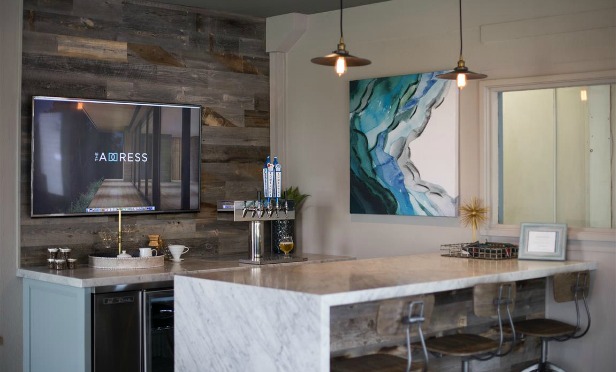
Palmquist: Agents and the general public have been very excited about the design of the space and love the marketing that the brand has. People love that we have. What I see happening is that real estate offices are going virtual and giving up the brick and mortar location to save money and offer a higher commission split to the agents. I don't think that the locations should be going away. Also, I don't think offices need to have desks- most agents meet clients at a coffee shop or restaurant. Why not make the offices feel like that so they are inviting and so people want to come there? Make it a destination.
GlobeSt.com: Do you think that this is a philosophy that will be adopted in other aspects of real estate brokerage, like commercial and investment assets?
Palmquist: I think that the model of a lounge space for an office could be adopted by a lot of different industries outside of real estate. I still feel commercial and investment company have a hands-on approach with their clients. Commercial real estate hasn't drifted away from meeting with customers in person, or giving them a lot of information that the listing agent has created with the details of the space. I think that the offices could be changed into something that was more open-concept, but again commercial real estate is different from residential. I don't think they need a retail office space on a main street with a lot of foot traffic to meet new customers or display properties in the window.
LOS ANGELES—Technology may not be the best tool for cultivating relationships, according to Troy Palmquist, the founder of The Address, a new brokerage firm that is eschewing technology. Rather than relying on technology, Palmquist is relying on human interaction to build the new firm. He says that the single-family housing market has drifted too far away from customer service, and he is bringing the industry back to its roots. Commercial real estate brokerage is still focused on client relationships, but the market is so often looking for ways to integrate technology. Palmquist makes a good argument for old-school brokerage.
GlobeSt.com: What was the impetus to launch The Address?
Troy Palmquist: I have been in the real estate industry for 13 years and remember what is was like before digital signatures and emailing an offer became the status quo, back when you used to have to sit down with the client, get the contract signed and walk them through each page. Now I feel that they get sent the contract to digitally sign and not actually review or be told what each paragraph of the contract is that they are signing. Emailing offers, back in the day, agents used to sit down with the seller and buyers to present an offer. I realize now that will not happen again. I don't think it's much to ask for the agents to meet and present the offer. This is a large investment for your clients and the agents are making a lot of money at the close of escrow, but some agents don't even call to say they are sending over an offer, and very few include a cover letter introducing the buyers or the terms of the offer. Over the past five and a half years, I was working for a large investor in the resale of their flip homes and oversaw a lot of transactions- The Address is what I feel is the answer to what I felt and have seen go wrong over the years.
GlobeSt.com: Why are you using an “old school” approach to real estate brokerage?
Palmquist: I am using the “old school” approach because I think people need to have the human interaction, relationship and guidance when making what is usually the largest investment of their life. Tech is supposed help people, but I don't feel like it should remove the professional from the transaction or process.
GlobeSt.com: Generally, the industry has been encouraging the adoption of technology. Do you think the need to incorporate technology is overstated?
Palmquist: I think the use of technology is important, but not to remove the human interaction with the buyer or seller. I love a lot of the real estate technology out there and do plan on incorporating it into what the brokerage has to offer, but I don't think it should be used solely by the end user to make a decision.
GlobeSt.com: What has the response been to your decision to take a more traditional approach?
Palmquist: Agents and the general public have been very excited about the design of the space and love the marketing that the brand has. People love that we have. What I see happening is that real estate offices are going virtual and giving up the brick and mortar location to save money and offer a higher commission split to the agents. I don't think that the locations should be going away. Also, I don't think offices need to have desks- most agents meet clients at a coffee shop or restaurant. Why not make the offices feel like that so they are inviting and so people want to come there? Make it a destination.
GlobeSt.com: Do you think that this is a philosophy that will be adopted in other aspects of real estate brokerage, like commercial and investment assets?
Palmquist: I think that the model of a lounge space for an office could be adopted by a lot of different industries outside of real estate. I still feel commercial and investment company have a hands-on approach with their clients. Commercial real estate hasn't drifted away from meeting with customers in person, or giving them a lot of information that the listing agent has created with the details of the space. I think that the offices could be changed into something that was more open-concept, but again commercial real estate is different from residential. I don't think they need a retail office space on a main street with a lot of foot traffic to meet new customers or display properties in the window.
© Arc, All Rights Reserved. Request academic re-use from www.copyright.com. All other uses, submit a request to TMSalesOperations@arc-network.com. For more information visit Asset & Logo Licensing.